Search Results
748 results for “feline infection”
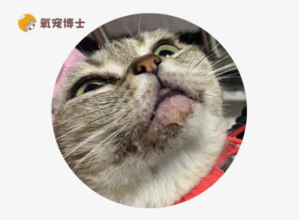
Why Do Cats Get Stomatitis?
Feline stomatitis is a painful, chronic, immune-driven inflammation of the mouth—not just sore gums. Calicivirus and autoimmune disease are the usual triggers, while other viruses, plaque, breed, stress, and poor nutrition add risk. Because it hurts to eat, cats waste away, so finding the cause matters; for stubborn cases, full-mouth extraction often brings lasting relief.

Why Your Cat’s Eyes Keep Getting Inflamed
Frequent feline eye inflammation often starts with a dirty, dusty home that lets bacteria or fungi take hold, or with injuries from branches and grass during play. Allergies to pollen, dust, or food can trigger it, and some cats are born with eyelid deformities like entropion or ectropion that invite infection. Have a vet confirm the cause and treat with medication or surgery when needed. At home, keep the environment clean, limit outdoor risks, and wipe the eyes regularly with saline to cut down on dust and bacteria.
What causes a cat to pass blood in its stool?
Blood in a cat's stool can come from acute gastroenteritis, panleukopenia (feline distemper), or a parasite infection, and only screening confirms which. Get a vet work-up - blood count, distemper antigen, fecal exam - then treat the cause: gastroenteritis or distemper usually needs fluid therapy, while parasites are handled by deworming.

Penile and Preputial Tumors in Dogs and Cats
Tumors of the penis and prepuce are uncommon and, when reported, have been seen only in dogs. Types include papilloma, transmissible venereal tumor, squamous cell carcinoma, fibroma, lymphosarcoma, and hemangioma. Growths may ulcerate, bleed, and produce a foul discharge.

Home Care for Cat Ringworm: Practical, Low-Cost Treatment
Ringworm, or dermatophytosis, is a fungal skin infection in cats caused mainly by Microsporum canis. Mild cases respond to topical antifungals, B-vitamin support, sunlight, and environmental disinfection, while widespread disease needs medicated baths and veterinary-directed oral antifungals.

Hypothyroidism in Dogs and Cats
Hypothyroidism is reduced thyroid hormone from thyroiditis or tumor that slows metabolism, causing lethargy, weight gain, hair loss, and cold intolerance, sometimes with nerve signs. Lifelong thyroid-hormone replacement is the treatment.

Leukemia in Dogs and Cats: Symptoms, Treatment, and Prevention
Leukemia is a malignant disease of the blood-forming system in which abnormal white cells flood the marrow and blood, damaging other organs. Forms include myeloid, lymphoid, monocytic, and mast-cell leukemia, and treatment is difficult, relying on chemotherapy and supportive care.

Pleurisy (Pleuritis) in Dogs and Cats: Symptoms, Treatment, and Prevention
Pleurisy is inflammation of the pleura (the lung lining) causing abdominal breathing, a friction sound on auscultation, and a horizontal fluid line on percussion. It is treated with antibiotics, pain and inflammation control, and drainage of fluid when needed.

Bronchopneumonia in Dogs and Cats: Symptoms, Treatment, and Prevention
Bronchopneumonia (lobular pneumonia) is inflammation of the small airways and alveoli, marked by high swinging fever, rapid breathing, and focal lung sounds. It is treated aggressively with antibiotics, cough and phlegm control, and supportive care.

Laryngitis in Dogs and Cats: Symptoms, Treatment, and Prevention
Laryngitis is inflammation of the larynx causing a harsh cough, throat pain, and difficulty swallowing. It may follow infection, irritation, or inhaled objects, and is treated by removing the cause and easing coughing and inflammation.