Search Results
748 results for “feline infection”

Male Cat Cystitis with Pink Urine: A Recovery Case
A 4-year-old male cat had on-and-off pink, blood-tinged urine—classic of cystitis, urethritis, or crystal irritation of the lower urinary tract, which causes frequent, scanty, painful urination. A diuretic to flush the tract plus an antibiotic for infection, with plenty of water and clean litter, brought normal urine color in about three days. Recurring pink urine, though, deserves a vet check for stones.

What to Do About White Discharge in Your Cat’s Eye
White discharge usually signals an eye infection such as conjunctivitis, keratitis, or blepharitis, so identify the cause early. Discharge at the corner often means conjunctivitis—check for sneezing, runny nose, or fever, which point to a viral infection needing a vet; a white film over the eye needs prompt clinic care. At home, clean gently with saline, apply pet-specific antibacterial drops (neomycin sulfate, chloramphenicol, levofloxacin), boost vitamins A and C, and keep the environment clean. If no improvement in a few days, see a vet.

Which Cats Are Prone to Pancreatitis?
Any cat can develop pancreatitis, but some are clearly more vulnerable. Genetics play a role, with breeds like Persians, Siamese, and Maine Coons at higher risk. Obesity is another major factor, since overweight cats strain their pancreas far more than lean ones. Diet also matters: fatty foods, too many artificial additives, and table scraps all burden the pancreas and invite inflammation. Certain medications such as long-term aspirin, morphine, or tetracycline, and viruses like feline infectious peritonitis, can also trigger the disease. Prevention centers on strict weight control, high-quality food, and never dosing a cat without veterinary guidance. Watch for appetite loss, vomiting, or diarrhea and seek care early; diagnosis uses blood pancreatic lipase tests, ultrasound, or cytology, and treatment combines medication, diet management, and sometimes hospitalization.

Causes and Treatment of Abdominal Breathing in Cats
Abdominal breathing in cats is often a symptom of an underlying disease—pleural effusion, a congenital diaphragmatic hernia, or feline infectious peritonitis (FIP) among them—so it always warrants attention and a prompt trip to the vet. A healthy cat breathes 20–40 times per minute; obvious difficulty, rapid or shallow breaths mean seek care immediately. Beyond treating the root cause, prevention matters most: keep up with vaccinations, schedule regular check-ups, and maintain a clean, well-ventilated, smoke-free environment to protect your cat's respiratory health.

Why Do Cats Get Folliculitis?
Feline folliculitis is a common skin condition that causes discomfort and distress for cats. It can be triggered by a mix of external factors, daily habits, and even genetics. Environmental issues such as bacteria, fungi, and parasites thrive in warm, humid conditions and raise the risk of infection. Over-grooming, scratching, and poor coat care can also damage the skin and lead to flare-ups, while long-haired breeds like Persians and Siamese are genetically more prone to it. The good news is that folliculitis is manageable. Treatment involves clipping the affected area, cleaning with saline, disinfecting with iodine, and applying an antibacterial ointment daily. Prevention relies on a balanced diet, regular grooming, a clean and dry living space, gentle bath products, and routine veterinary checkups. With the right care, owners can greatly reduce the likelihood of recurrence.

How Long Can a Cat with Dementia Live?
Feline dementia (Cognitive Dysfunction Syndrome) does not kill directly, but its complications shorten life. Mild cases (occasional confusion, sleep disruption) often live 3–5 more years with good care; moderate-to-severe cases (loss of self-care, refusal to eat, disorientation) may survive only 2–3 years; if chronic kidney or heart disease is also present, just 1–2 years. Japanese clinical data show cognitive training and a stable environment can extend life by 47%. Watch for the DISH signs—Disorientation, Interactions lost, Sleep flips, House-soiling—and support the cat with a low-stimulus home, short brain games, and targeted nutrition.

What Causes Cat Sinusitis (and How to Prevent It)
Feline sinusitis is inflammation of the nasal passages and sinuses, usually from bacterial, viral, or fungal infection, and sometimes as a complication of dental disease or upper respiratory infection. Young and old cats are most at risk. Prevention means a clean, well-ventilated home; regular dental checks; a balanced, immunity-boosting diet; avoiding sick animals; and routine vet visits. See a vet if your cat sneezes often, has constant nasal discharge, seems congested, or loses appetite.

Does Abdominal Fluid in Cats Always Mean FIP?
Fluid in a cat's abdomen, or ascites, is a sign—not a diagnosis. It can stem from liver or heart disease, kidney failure, malnutrition, or peritonitis caused by infection, viruses, or injury, and only one of those causes is feline infectious peritonitis (FIP). Because the symptom alone cannot confirm FIP, diagnosis needs bloodwork, imaging such as X-ray or ultrasound, and viral testing. If your cat shows a swollen belly, lethargy, fever, or breathing trouble, see a veterinarian promptly to find the real cause.

What Diseases Does the FVRCP Cat Vaccine Prevent?
The FVRCP vaccine, commonly called the cat triple vaccine, protects against three contagious feline diseases: feline viral rhinotracheitis (FVR), calicivirus (FCV), and panleukopenia (FPV, or feline distemper). It greatly lowers infection risk but is not a full guarantee. Kittens can start at eight weeks, need two to three shots three to four weeks apart, and then an annual booster. Sick or pregnant cats should not be vaccinated.
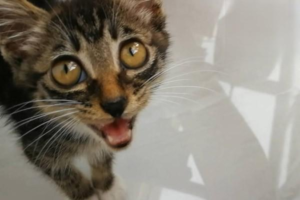
What to Do When Your Cat Has a Fever
Cats get fevers just like people, but a cat's fever is rarely simple - it can signal parasites, stress, bacterial infection, panleukopenia (feline distemper), feline herpesvirus, or various inflammations. A fever is not a small matter: left alone it can damage organs and even turn deadly. Telltale signs include hot ears and tail tip, a dry nose, sweaty paw pads, and a cat that suddenly prefers cool floors and dark corners while eating less and looking limp. Normal cat temperature runs 38-39C (about 39.3C in kittens); above 39.5C is a fever and above 40C is high. For a mild fever or when a clinic is out of reach, cool the paws and belly with alcohol and offer water, but never give human fever medicine, which can be fatal - see a vet for high fevers.