Search Results
623 results for “feeding guide”

Colibacillosis (E. coli Infection) in Dogs, Cats, and Small Animals: Symptoms, Treatment, and Prevention
Colibacillosis is an intestinal infectious disease caused by certain pathogenic serotypes of Escherichia coli and their toxins. It occurs year-round and can affect animals of any age, posing the greatest threat to weaned youngsters.

How to Choose Cat Food
Every new owner has struggled with choosing cat food - worrying about ingredients, toxic food, harm to the cat. My advice: spend within your means.

How to Choose Cat Food and Canned Food
Cat food, cans, and treats on the market are dazzling, and reviews vary widely. Even well-regarded brands may contain some unhealthy ingredients.
Tips for Caring for an Older Dog
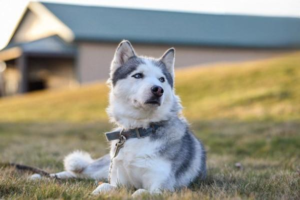
Age is not a disease, but senior dogs need help: add rugs for traction on slick floors, raise food bowls to shoulder height, keep them cool in summer, use car ramps and indoor steps, give an orthopedic bed, and keep both body and mind active with short outings and new games.

Canine Obesity: Causes and How to Help Your Dog Lose Weight
Obesity — excess body fat — affects 25–40% of dogs and is the most common nutrition-related condition in pets. The main driver is simple: more calories in than out. A vet-guided plan with a therapeutic diet and measured portions turns it around.

Common Human Foods That Are Dangerous for Dogs
Many everyday human foods are toxic to dogs, and even small amounts of xylitol, chocolate, grapes, onions, or alcohol can cause serious harm or death. This guide lists 16 foods to keep away from your dog, plus a few safe options you can share in moderation.

How to Feed Stray Cats
This is a guide to feeding strays, not a home-care plan — the aim is to meet a stray's minimum needs within your budget. The basics are simple: a labeled mainstream kibble, clean water, and never table scraps.

How to Adopt a Stray Cat
If you find newborn kittens outdoors, don't rush to take them — the mother may be fetching food, and your scent can make her reject them. Watch first, confirm they're orphaned, then prepare for a demanding but rewarding rescue.
Why Is My Dog Pooping White Stools?
White or pale stools in dogs usually signal a digestive problem—most often gastroenteritis, though a grayish-white color can point to a blocked bile duct. Because stool color ranges from harmless to a sign of internal bleeding, a vet check is the safe move before symptoms are confirmed.

Dog Gastroenteritis: Causes, Signs, and Care
Gastroenteritis in dogs stems from irregular feeding, bad food, irritants, parasites, or infection, causing vomiting, diarrhea, and weakness. Withhold food briefly, then follow a vet's medication plan.