Search Results
623 results for “feeding guide”
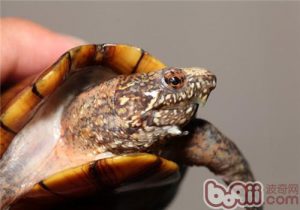
Kinosternon acutum (Tabasco Mud Turtle)
The Tabasco mud turtle (Kinosternon acutum) is a medium-sized mud turtle prized for its vivid head striping, found mainly in the Mexican Caribbean lowlands. It is rarer than the narrow-bridged musk turtle and seldom seen on the market.
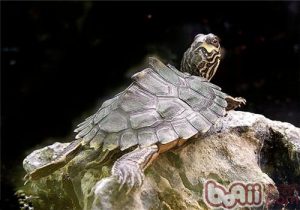
Graptemys pulchra (Alabama Map Turtle)
The Alabama map turtle resembles the red-eared slider in habits, with head striping and a protruding keel. Named for its map-like yellow markings, it feeds mainly on aquatic clams and snails, crushing shells with its hard jaws.

Pseudemydura umbrina (Western Swamp Turtle)
The Western swamp turtle (Pseudemydura umbrina) is one of Australia's smallest turtles; males have a 155 mm shell and weigh 550 g, while females reach 135 mm and 410 g. Its coloration varies with age and habitat, and it is listed as Critically Endangered.
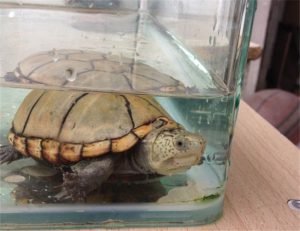
Kinosternon alamosae (Alamos Mud Turtle)
The Alamos mud turtle lives in aquatic-rich habitats and unique ponds, retreating into mud to aestivate during dry periods. In the wild it eats insects, small shrimp, and other invertebrates, and is a shy turtle that withdraws into its shell when threatened.

Pseudemys alabamensis (Alabama Red-bellied Turtle)
The Alabama red-bellied turtle is a small to medium aquatic turtle with a carapace 35–45 cm long. Hatchlings are vividly colored, but in the wild adults become dull and grayish-black; captive-bred individuals can retain their bright coloration.
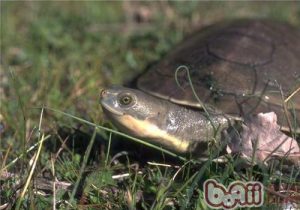
Emydura australis (Australian Big-headed Turtle)
The Australian big-headed side-necked turtle is carnivorous and lives in shallow water, aestivating in pond mud during the dry season. In the wild it consumes large numbers of mosquito larvae, making it beneficial to people, though it is rare and its trade is strictly controlled.

Canine and Feline Pancreatic Tumors
Pancreatic tumors occur in older dogs and cats and can be benign or malignant; many spread widely, especially to the liver. Insulin-secreting tumors cause low blood sugar, while surgical removal offers the best chance when caught early.

Malabsorption Syndrome in Dogs and Cats
Malabsorption syndrome covers several diseases in which the small intestine cannot absorb nutrients. Pets lose weight despite a good appetite, pass fatty stools and may become anaemic; treatment targets the underlying cause and a special diet.

Persistent Right Aortic Arch in Dogs
Persistent right aortic arch is a congenital blood-vessel defect in which an embryonic arch presses on the esophagus and blocks passage of solid food. Affected puppies are hungry but regurgitate after eating. Early surgery relieves the obstruction.

Chronic Hepatitis in Dogs and Cats
Chronic hepatitis is a long-term inflammation of the liver, often developing from repeated or unresolved acute injury. It causes persistent digestive upset, weight loss, and sometimes mild jaundice; management protects the liver, improves bile flow, and supports nutrition.