Search Results
623 results for “feeding guide”

Guyana Pinktoe Tarantula
The Guyana pinktoe (Avicularia avicularia) is a classic, docile arboreal tarantula with blue-green legs, pink toes and a black abdomen. Easy to keep and unlikely to flick hairs, it is an excellent choice for beginners.
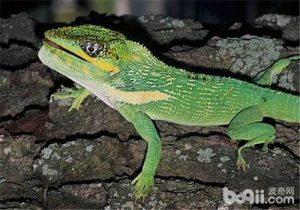
Cuban False Chameleon
The Cuban false chameleon is the largest species in its genus, a diurnal, arboreal lizard from Cuba named for its bony head casque and color-changing ability. Found in forests and orchards, it does best with misting, broad foliage and a 25–30°C daytime temperature.

Tomato Frog
The tomato frog (Dyscophus guineti) is a brilliantly red, frog-shaped amphibian from Madagascar's eastern coast. Despite its looks, its skin secretes a painful defensive toxin, and it thrives in a humid, mostly terrestrial setup fed on crickets and other insects.
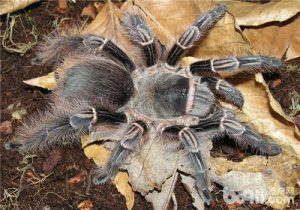
Pink Zebra Beauty
The pink zebra beauty is a large, docile terrestrial tarantula from the South American Pampas, named for its pink hairs and golden leg bands. Reaching a 14–16 cm leg span, it is gentle but fast, and does well in a burrow-style setup with moist substrate.

French Guiana Blue Fang
The French Guiana blue fang (Ephebopus cyanognathus) is a strikingly beautiful, metallic-hued tarantula from the rainforests of French Guiana, valued by collectors for its blue chelicerae. A burrowing species needing warm, humid conditions, it is best left unhandled due to its potent venom.

Balkan Green Lizard
The Balkan green lizard (Lacerta trilineata) is a vividly colored, diurnal lizard found in trees along tropical river valleys of the Balkan Peninsula. Reaching 34–50 cm, it is attractive and relatively manageable to keep in a tall, humid terrarium.
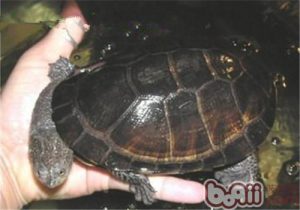
Acanthochelys radiolata (Brazilian Radiolated Swamp Turtle)
The Brazilian radiolated spiny-necked turtle is a rare Brazilian species in the genus Acanthochelys, named for the radiating pattern on its carapace. It is difficult to keep and seldom seen in captivity.

Pyxis planicauda (Malagasy Flat-tailed Tortoise)
The flat-tailed tortoise is found along the west coast of Madagascar, closely resembling the spider tortoise but recognized as a distinct species. It is a shy, mostly herbivorous tortoise that aestivates through the dry season.

Emydoidea blandingii (Blanding’s Turtle)
Blanding's turtle is a semi-aquatic turtle of the Great Lakes region, gentle and cold-hardy, with a smooth black helmet-shaped shell and a yellow hinged plastron marked with black blotches. It is omnivorous and adapts well to captivity.

Batagur baska (Northern River Terrapin)
The Batagur turtle is one of the largest freshwater turtles in Asia, living in Andaman coast estuaries from Bangladesh to Vietnam and feeding on mangrove seeds. Once thought extinct in Thailand, it is now classified as Critically Endangered and protected under CITES Appendix I.