Search Results
623 results for “feeding guide”
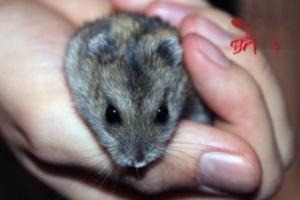
Can Hamsters Eat Vegetable Leaves?
Vegetable leaves add water and help hamsters cool off in summer, but only in moderation and always washed and dried, since excess moisture causes diarrhea. A few servings a week aid digestion and prevent constipation, with grains as the staple and millet or mealworms for balance. Hardy foods also help wear teeth. Avoid spicy vegetables like chili, onion, garlic, and leek, and never human leftovers or wilted, refrigerated greens, which can harbor bacteria and toxins.

How to Manage Chronic Indigestion in Dogs
Recurring indigestion in dogs is often linked to poor diet, food allergies, or conditions like gastroenteritis. Managing it starts with the right food: choose an age- and health-appropriate dog food, avoid greasy, spicy, or irritating human foods, and add vegetables, fruits, and fiber to support gut movement. Probiotics or digestive enzymes can aid digestion, while clean bowls and fresh water prevent contamination. Feed smaller, more frequent meals, transition diets gradually, and take your dog for a gentle walk about half an hour after eating to stimulate the gut. Persistent or worsening signs warrant a veterinary visit.

Are Small Dogs Easier to Feed?
Many owners assume small dogs are easier to feed because they eat less, but small breeds actually need more nutrients per bite and are fussier. They grow up faster, have quicker metabolisms, and burn through energy, so they need dense, highly digestible food given in small, frequent meals. Their tiny stomachs and narrow guts can't hold much at once, and low fat and sugar reserves put them at risk of hypoglycemia. Choose quality meat protein, enough fatty acids, and antioxidants, plus some grains to steady blood sugar.

Blueblotch Butterflyfish
The blueblotch butterflyfish's biggest trait is a blue blotch on the lateral line that turns black or vanishes after death, called black-waist or blue-waist. It is a carnivorous ornamental fish.
Singular Bannerfish
The singular bannerfish is easily confused with the pennant coralfish, but photos show it has two black bars on the side and a yellow-white body that darkens with age.
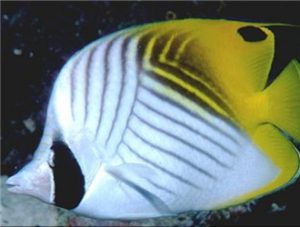
Threadfin Butterflyfish
The threadfin butterflyfish is gentle and a small warm-water coral-reef fish, not for food, and not hard to keep. In the wild it likes rubble zones, algae beds, rocky reefs, or coral reefs.

Bicolor Dottyback
The bicolor dottyback, also called the false gramma, has a very special color: the front half is purple, the rear half bright yellow, vividly. It is strongly territorial and will fight fish two to three times its size.

Paucis Dwarf Cichlid
The Paucis dwarf cichlid was earlier called the blue lyretail dwarf cichlid, later renamed from a foreign translation. Males show a bright pale-blue metallic sheen, very pretty, but both keeping and breeding are very hard.
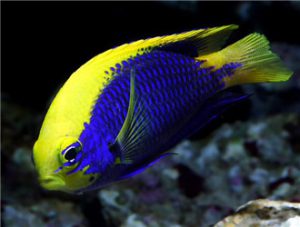
Starck’s Demoiselle
The Starck's demoiselle has a very distinctive look: its head and sides are vivid blue, and the dorsal, pectoral, and caudal fins are yellow. In the wild it lives near rock outcrops or crevices on the outer slopes of sandy-bottom channels.

Mosquitofish
The mosquitofish is mainly from the southern United States and northern Mexico and has spread into lowland waters south of the Yangtze. It feeds mainly on small invertebrates and mosquitoes, hence the name.