Search Results
623 results for “feeding guide”
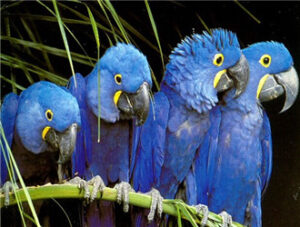
Hyacinth Macaw
The Hyacinth Macaw (Anodorhynchus hyacinthinus) is the largest parrot in the world and one of the rarest creatures on Earth. Because of its high value it has long been a target for hunters, and this has pushed the species toward a survival crisis.

Blue-and-gold Macaw
The Blue-and-gold Macaw (Ara ararauna), also called the Blue-and-gold Macaw, is attractive in both color and size. Native to the tropical Americas, it is the most commonly seen macaw on the market and is gentle and affectionate toward people.

Siberian Blue Robin
The Siberian Blue Robin (Luscinia cyane), also called the blue-tailed robin, is widely distributed and in the wild likes to dwell near the ground, hiding among reeds and thorns. Its type locality is the Daurian region of Siberia.

Long-Haired Curly Guinea Pig
The Long-Haired Curly Guinea Pig, also known as the long-curly-haired cavy, is a rare and distinctive guinea pig variety native to Peru and Brazil. With its unique curly long coat and gentle nature, it makes a beloved small pet, though its coat requires regular grooming to prevent matting.
How Long Will 5 Jin of Food Last a Bichon?
It depends on the Bichon's weight: a 2-3 kg dog eats about 120 g per day, 4-5 kg about 150 g, 6-7 kg about 180 g. Follow the bag's guide.
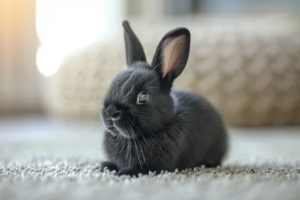
What Happens When a Rabbit Is Obese?
Obesity hurts a rabbit's health and happiness—it strains body function, raises the risk of heart disease and arthritis (often showing in old age), cuts mobility, and overloads the feet, inviting sore hocks. Causes are high-sugar/starch overfeeding, lack of space to move, and genetics. Prevent with high-fiber food, room to run, and weight checks.
How long does 14 jin of cat food last?
For a moderate, healthy cat, 14 jin lasts about 3 to 4 months. Intake varies by age, weight, and food; adjust by observing stool. Soft stool means too much, less output means too little.
Is 100 grams of cat food a day too much for a cat?
It depends on weight: under 1 kg needs about 20g, 1-2.5 kg about 35g, 2.5-3.5 kg about 75g, over 3.5 kg about 100g. So 100g suits cats above 3.5 kg; follow the bag's guide.

What Foods Can Harm Your Hamster’s Health?
Not every food that is safe for people is safe for hamsters. Chocolate, caffeine, fatty or fried foods, sugary and salty items, and anything containing alcohol or artificial sweeteners can cause digestive trouble, obesity, poisoning, or even death. Certain fruits and vegetables, such as citrus, garlic, and onion, can also trigger poisoning or stomach irritation, while too much high-fat food may lead to obesity, liver disease, and heart problems. Hamsters need a balanced diet, and a single, repetitive food source can cause malnutrition. Learning which foods to avoid, and how to build a healthy daily menu, helps keep your small pet safe and thriving.

How to Switch Your Cat’s Food the Right Way
Switching cat food badly can trigger refusals, vomiting, or diarrhea, so the job calls for method. The safe route is a gradual seven-to-ten-day transition that blends old and new food in shifting ratios. This guide also covers what to do if diarrhea appears and how to handle the smaller portions needed when moving from home-cooked meals to calorie-dense commercial food.