Search Results
623 results for “feeding guide”

Salmon-crested Cockatoo
As its name suggests, the wild Salmon-crested Cockatoo is found only in Indonesia's Maluku Islands; elsewhere you will only see captive birds. Due to increasing hunting and habitat destruction, its numbers have dropped sharply, and it is now listed as a Vulnerable species.
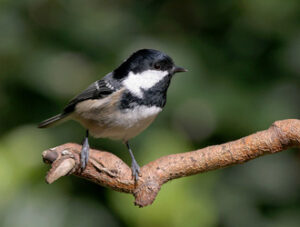
Coal Tit
Many caged Coal Tits are male birds — the reason is simple: the male's call is louder, which wins the favor of many bird lovers. Wild Coal Tits are widely distributed across Asia, Europe, and Africa. A pair signals the breeding season, while a flock means they are not currently breeding.

Eurasian Skylark
The Eurasian Skylark has about 75 species worldwide, mainly distributed in the Old World, with only the horned lark native to the New World. The skylark's beak varies greatly in form depending on the species.
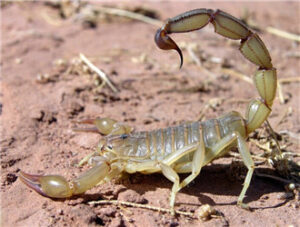
Scorpion
Scorpions have a wide range of medicinal uses, though their tails are venomous. With many species distributed across more than ten provinces in China, the most commonly used medicinal species is the East Asian scorpion (Chinese scorpion), which is highly effective in treating rheumatic conditions.
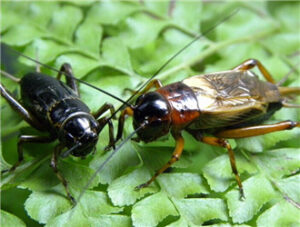
Cricket
The cricket is a widespread, omnivorous insect kept for its song and fighting spirit, with males that chirp and battle. A dry, soil-based enclosure with controlled warmth and humidity, plus a high-protein feed mix, keeps it healthy.

Snow Squirrel
The Snow Squirrel is a gentle, delicate-looking rodent whose coat changes with the seasons, valued for both its fur and as a pet. An active nut-lover, it needs a varied diet, temperature-controlled housing, and safe chewing material for its teeth.

Himalayan Guinea Pig
The Himalayan Guinea Pig is a panda-marked variety of guinea pig—white body with dark nose, ears, and feet—known for its gentle, clingy, yet timid nature. An easy, inexpensive pet that loves to eat and breed, it thrives on hay, vegetables, and a little concentrate.
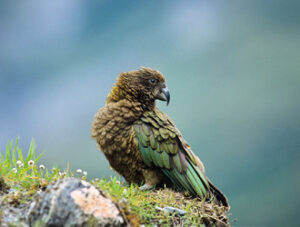
Kea
The Kea is a large, olive-green parrot native to New Zealand's high mountains, famous for its curiosity, destructiveness, and the habit of pecking sheep. Now Vulnerable, it needs a very sturdy cage, group or single housing, and a varied diet.

Centipede
The centipede is a terrestrial, venomous arthropod kept both for its medicinal value and as an exotic pet. A nocturnal carnivore that hibernates and must be raised in a secure, three-dimensional enclosure, it reproduces by laying eggs carried on the mother's back.

Eclectus Parrot
The Eclectus Parrot is a striking parrot with extreme sexual dimorphism—emerald-green males and deep-red females—native to Indonesia, New Guinea, and Australia. Quiet yet alert, it needs a large cage, a high-fiber diet rich in vitamin A, and never seed-only feeding.