Search Results
214 results for “fatigue”

How Climate Change Affects Dogs
Autumn is the most comfortable season, loved by people and dogs alike. Notice that whenever weather changes, a dog's mood shifts noticeably. Heat: most dogs grow listless in hot seasons, preferring the AC; short-nosed breeds lose many companions each summer, and double-coated dogs struggle (owners go mad from shedding)—they need regular brushing for airflow. Cold: dogs turn lazy in severe cold, especially short-haired and lean breeds lacking insulation; long-haired and double-coated dogs thrive. Low pressure: dogs sense weather via air pressure and can foresee storms; the AVMA found pressure changes strongly affect behavior—restlessness, even aggression, or unusual excitement before storms. This doesn't permanently change behavior, but comfort an intense reactor. Do dogs get depressed? A UK vet charity survey found 40% of UK dogs show winter mood drops, suspected of Seasonal Affective Disorder (SAD); affected dogs sleep more and move less, and sunny outdoor time (as in human SAD treatment) eased symptoms—because winter SAD comes from extra melatonin, the sleep hormone, which sunlight stops the pineal gland from releasing.

Choosing the Right Food and Water Bowls for Your Cat
Bowls come in ceramic, plastic, and stainless steel; a wooden stand with ceramic is the classic best choice. Ceramic resists heat and bacteria and is heavy enough not to slide; pick a wide rim (wider than the cat's whiskers) and a stand to raise it. Plastic is fine for travel but breeds bacteria and can leach into food, so avoid long-term use. Stainless is easy to clean but trace chromium/nickel can dissolve from salty food and may trigger allergies. Skip automatic feeders and fountains except for long trips—cats prefer fresh daily water and the bonding of hand-feeding.

Why Is My Dog Walking Weakly or Lacking Energy?
A dog that suddenly walks weakly or seems unable to move may be showing signs of an underlying problem. Common causes range from simple fatigue, hunger, thirst, low blood sugar, or calcium deficiency to musculoskeletal issues such as osteoporosis, fractures, sprains, or bone tumors. Other diseases—heart conditions, parasite infections, gastrointestinal disease, anemia, or viral infections—can also cause weakness. Because the cause can be minor or serious, have your dog examined by a veterinarian promptly; the vet can diagnose the issue accurately and recommend effective treatment, while proper diet, rest, and exercise help keep your dog healthy.
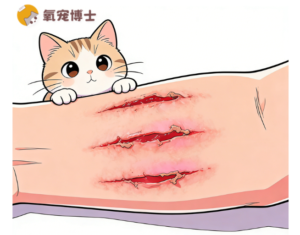
Cat Scratch Disease: A Zoonosis You Should Know
Cat scratch disease is a bacterial infection from Bartonella henselae, passed mainly by a cat's scratch or bite. Cats carry it without symptoms, but people can develop a red bump, swollen lymph nodes, and fever. Most cases are mild and self-limiting, yet antibiotics help when symptoms are strong. Wash any scratch well, and see a doctor if signs appear—especially for children and the immunocompromised.

Why Does Your Dog Sit Down After a Few Steps? It Could Signal Joint or Heart Trouble
A dog that keeps sitting mid-walk may just be lazy—or it may be sending a health alarm. Tell the difference by its mood and other signs: a bright, tail-wagging sit is usually fine, while a stiff, head-down, hard-to-rise sit means discomfort. Causes range from joint disease and paw injuries to heart trouble, anemia, or nerve problems, and even fear. Matching the behavior to the context tells you when a vet visit is urgent.

How Often Should You Rotate Your Cat’s Food?
Healthy adult cats do well rotating their main food every 4–6 months, with toppers or treats of different flavors every 1–2 months for variety. Kittens in their first year, seniors over seven, and cats with sensitive stomachs or illness should change far less often. The goal is to spread risk and avoid long-term gaps or buildup of specific nutrients—done with a slow 7-day transition.
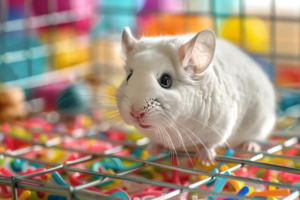
Can Hamsters Get Diabetes?
Hamsters can and do get diabetes, and it is not rare. Like in people, the direct cause is too little insulin, and obese hamsters and dwarf breeds are most at risk. Signs are overeating, heavy drinking, more urine with a strong smell, weight swings, tiredness, mood swings, and in severe cases unsteady walking or coma. Diabetes cannot be cured, so strict sugar control with high-protein, high-fiber, low-fat, low-sugar food is vital; dwarf hamsters should avoid all sweets. Keep them active to prevent obesity.

Cat CoQ10 Clinical Evidence: What a Real Comparison Shows
For high-risk breeds such as British and American Shorthair and Maine Coon cats, plus seniors, obese cats, and stress-prone cats, CoQ10 is a key heart nutrient — it supplies energy, fights oxidation, eases fatigue, and supports the heart against enlargement, exercise intolerance, and wheezing. But the category is uneven, and 'high content' claims mean little without proof. This guide explains the four points that matter, why palatability is a heart issue, and who should supplement.

Why Do Dogs Develop Rheumatism?
The exact cause of dog rheumatism is unclear, but it is now seen as an autoimmune reaction to repeated streptococcal infection, with cold, damp, rain, and overexertion as common triggers; it often returns during respiratory illness, sudden weather shifts, or after getting chilled. It appears as muscular or joint forms, causing pain, stiffness, swelling, and lameness that can shift around, and it cannot be cured, only managed. Care means a dry warm bed, balanced nutrition with calcium, and limited exercise, with veterinary anti-inflammatory and analgesic treatment during flares.

Dog CoQ10: Test Data Beats the Hype
CoQ10 is a supplement, not a drug — it fuels the heart, fights oxidation, and slows myocardial aging, but it cannot replace medication for heart disease. For an 8-year-old dog that pants on walks and coughs at night, the first step is a vet, not a bottle. There is no single 'most reliable' brand, but a few practical checks separate a working product from an expensive guess. This guide lays them out.