Search Results
214 results for “fatigue”

Why Does My Dog Raise Its Butt?
A dog that raises its rear may simply be stretching, inviting play, showing affection or submission, or signaling heat in an unspayed female. If the posture is sudden, frequent, and accompanied by obvious pain, it can point to abdominal discomfort and warrants a vet visit.

Why Do Dogs Get Low Blood Sugar (Hypoglycemia)?
Dog hypoglycemia comes from poor diet, overexercise, faulty insulin regulation, heavy lactation, or diseases like gastroenteritis, parvovirus, diabetes, or pancreatitis. Mild cases respond to 5% glucose solution; severe cases (weakness, tremors) need IV glucose and a vet visit to treat the underlying cause.

What to Feed a Cat With Anemia
Anemic cats benefit from iron- and protein-rich foods, red meats such as beef, lamb, and salmon, organ meats like chicken, duck, or pork liver, and seafood such as tuna, shrimp, and mackerel, plus vitamin B12 and folic acid to support red-blood-cell production. For severe anemia, vet-prescribed iron supplements or liver-support tonics may be needed.
Symptoms of fever in dogs
A dog's normal temperature is 38.5–39.5°C; above 39.5°C indicates a fever. Signs include lethargy, loss of appetite, dry nose, and a hot body. Cool with diluted alcohol and see a vet.
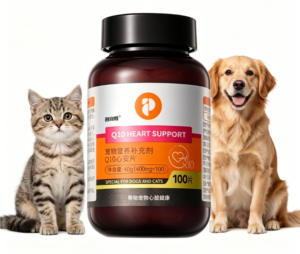
CoQ10 for Dogs and Cats: A Heart-Health Supplement Guide
CoQ10 is a key nutrient for heart-muscle cells and a staple for senior pets and breeds at risk of heart disease. Yet the market is messy—under-dosed, over-claimed products are common. This guide covers who benefits from CoQ10, what to look for on the label, why yeast-fermented source and combined antioxidants (including taurine for cats) matter, and the feeding rules and cautions every owner should know. CoQ10 supports care but never replaces prescribed heart medication.
What to Do When Your Dog’s Hind Leg Cramps
A dog's hind-leg cramp can come from poor nutrition, overexercise, low temperature, or too little activity and sore muscles. When it happens, gently massage or apply a warm compress to ease the muscle, then rest the dog in a quiet, warm place. Balance the diet, exercise moderately, and keep the environment at a comfortable temperature to lower the chance of cramps.
CoQ10 for Pets: Why Adequate, Well-Absorbed Dosage Matters
Many owners dismiss pet CoQ10 as a gimmick, and with reason: an under-regulated market let weak products ship before they were ready, so finding a real, safe, high-potency supplement was hard. The science is sound, though. CoQ10 lives in the mitochondria, drives cellular energy, and neutralizes free radicals that damage the heart. Pets over about 5–7 years, obese animals, high-risk breeds, and those already diagnosed lose CoQ10 reserves fast, and diet alone barely replaces it—hence panting after a short walk, night coughs, or low energy. The key is adequate, well-absorbed dosage; micro-dosing is only comfort. This article explains who needs CoQ10, what “real” formulation looks like (transparent content, third-party testing, yeast-derived sourcing, combined heart–lung nutrients), and safe daily use.

The Benefits of Swimming for Dogs—and the Details to Watch
Swimming is one of the safest, highest-value exercises for dogs—it cools them off, burns fat efficiently, and, thanks to water’s buoyancy, strengthens muscles without stressing the joints. That makes it ideal for senior dogs with arthritis or conditions like osteochondrosis, shoulder injury, or cranial cruciate ligament damage. But not every dog is built for the water: small, brachycephalic, very young, or timid dogs can choke and panic if thrown in, and flat-faced breeds like French Bulldogs and Pugs face a far higher risk of drowning, aspiration, and pulmonary edema. This article covers the real benefits of swimming, the dogs that should avoid it, the must-do post-swim drying routine, and how to cap session length to keep the heart and body safe.

Dog Panting After a Short Walk? Watch for Heart Trouble
Panting after a brief walk is not always harmless—it can be a dog's heart crying for help. Heat, obesity, and flat-faced breeds pant normally and recover within minutes, but sudden breathlessness at rest, coughing at night, bluish gums, or constant fatigue warrant prompt cardiac screening. Early diagnosis and steady daily care can dramatically slow heart disease.
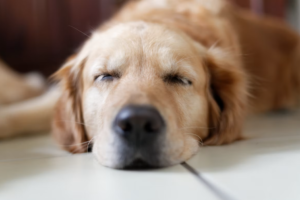
Why Is My Dog So Sleepy in Summer?
Many dogs seem lazier and sleep far more once summer arrives. In most cases this is a normal response to heat—dogs cool themselves mainly by panting and through their paw pads, so they naturally slow down to avoid overheating. However, persistent lethargy paired with panting, a rising temperature, or appetite loss can signal heatstroke or illness. Keep your dog cool, hydrated, and walk them during cooler hours to stay safe.