Search Results
214 results for “fatigue”
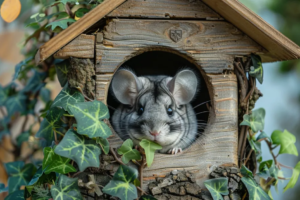
Why Is My Hamster Limp and Weak?
A hamster that feels limp and weak can have many causes, and the symptom alone is hard to pin down. Common reasons include a poor environment, low blood sugar, malnutrition, digestive trouble, or infection such as respiratory disease, liver problems, or diabetes. Offer rich nutrition and a warm, clean, well-ventilated home with room to move, and if weakness continues or comes with vomiting, diarrhea, discharge, or temperature change, take the hamster to a veterinarian.
Pet CoQ10 Supplements Reviewed: Picking One That Genuinely Supports Heart Health
CoQ10 is a popular supplement for pets with heart conditions, but it supports heart function rather than curing disease. It helps the heart muscle generate energy, mildly slows heart failure, and supports immunity and vitality. Yet the market is full of weak or mislabeled products—industry figures suggest most pet CoQ10 labels either understate or omit the actual content, and some use industrial-grade raw materials. When choosing a supplement, look for verified CoQ10 content (ideally backed by independent testing), natural fermentation sources, and a clean antioxidant formula, matched to your pet's age, breed risk, and symptoms. Used alongside veterinary treatment, a quality CoQ10 can be a valuable part of heart care.

What Is Canine Tuberculosis
Canine tuberculosis is a chronic, slowly progressive infection caused by Mycobacterium tuberculosis complex bacteria. Dogs usually catch it from infected people, cattle, or cats through the air or contaminated food and water, and it can pass to humans as well. Early signs are vague - odd appetite, tiredness, and gradual weight loss - but as the disease advances, dogs may develop a persistent cough, digestive upset, abdominal swelling, or skin ulcers depending on which organs are affected. Because the infection forms hardened granulomas in tissues, it is difficult to cure, and open or positive cases are generally humanely euthanized to protect public health. Strict hygiene and prompt testing of sick animals are the main defenses.

How to Care for Your Dog in Autumn
Autumn's cool, dry, changeable weather feels great to us but asks for a few adjustments in dog care. Fatigue from summer, dropping temperatures, and dry air all affect a dog's body, coat, and digestion. A few simple habits around food, grooming, exercise, and disease prevention keep your dog comfortable through the season.

5 Common Mistakes to Avoid When Walking Your Dog
Walking is one of the simplest ways to keep a dog happy and healthy, but the wrong approach can do more harm than good. From erratic schedules to walking in extreme heat, a few common habits put unnecessary strain on your dog's body and safety. Here are five mistakes to leave behind.

Symptoms and Treatment of Fatty Liver in Dogs
Canine fatty liver is the build-up of fat in the liver from disrupted sugar and fat metabolism, showing as excess body fat, poor digestion, and easy fatigue. Causes are primary, from high-fat diet, low protein, starvation, or little exercise, or secondary, from hepatitis, diabetes, and other chronic disease. Signs include low spirit, poor appetite, occasional vomiting, and an enlarged liver. Diagnosis uses blood, biochemistry, and imaging; treatment is medicine plus a changed diet, regular meals, and exercise.

Preventing Common Spring Cat Diseases
Spring raises two risks. Urinary disease peaks in damp weather, driven by low exercise and water intake; watch for straining and act fast to avoid acute kidney failure. Colds strike with big day-night temperature swings; keep cats warm, dry, and sheltered from drafts, and seek care if they refuse food with a high fever.

Diseases Behind a Dog’s Rapid Panting
Panting is shallow, upper-airway breathing that cools a dog fast, normally brief after exercise. But constant rapid panting can signal respiratory disease, collapsed trachea, airway obstruction, hypoxia, bronchitis or pneumonia, heartworm or heart failure, or obesity. Match the cause to the treatment.

What to Do If Your Cat Eats Onions
Onions, scallions, garlic, and chives contain sulfides that can destroy a cat's red blood cells and cause dangerous anemia. Even onion soup or curry can poison them, and a cat needs only about 5 g per kg of body weight. Early signs are vomiting, diarrhea, and lethargy; anemia shows up days later. Rush to a vet for induced vomiting, stomach lavage, adsorbents, fluids, and forced diuresis. Never try salt-induced vomiting at home, it can be fatal.

What to Do About Bad Dog Breath
Bad breath often starts in the mouth, but it can also signal metabolic disease. Check the teeth for tartar, inflamed gums, or ulcers, and watch for sudden appetite or thirst changes that warrant a vet visit. Daily or thrice-weekly brushing with pet toothpaste, plus professional cleaning, keeps breath fresh.