Search Results
239 results for “fat intake”
How can I fatten up a thin Papillon mix?
A thin Papillon mix may have parasites, poor nutrition, weak digestion, or illness. Feed rich, balanced food in small frequent meals and encourage play for digestion. A vet check rules out parasites, gut, or endocrine issues.
How to fatten up a dog?
Increase food intake—high-protein, high-fat kibble in small frequent meals, plus chicken, beef, egg, fish. More exercise (walks, jogging, swimming) boosts appetite and muscle/weight. If it won't gain, check for metabolic disease, gut issues or parasites.

How Environmental Factors Affect Meat Rabbit Fattening
A dim, quiet environment helps fatten meat rabbits: it suppresses sexual development, raises feed efficiency, calms the animals, and speeds weight gain — trials show rabbits in darker cages weigh 250–350 g more after six months. Because they get little sunlight, keep cages clean, disinfect often, and feed a complete diet rich in vitamins and minerals.
How can you fatten up a Siamese cat?
To add weight: offer high-protein, high-calorie foods like rich kitten food, goat milk, canned food or nutritional paste, plus chicken, egg, fish or lean meat, but control total intake to avoid obesity. Increase meals from 2-3 to 4-6 times daily in smaller portions to aid digestion. If weight won't rise, see a vet for parasites or illness.
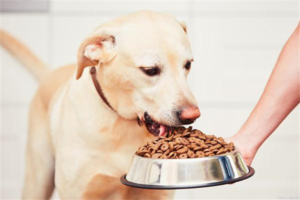
Which Dogs Should Eat Low-Fat Food?
Low-fat dog food suits dogs that need to cut back on fat: overweight or obese dogs, those with pancreatitis and similar illnesses, seniors, low-activity dogs, and dogs with sensitive stomachs. Healthy dogs can have some, but not as a long-term staple, since too little fat can harm the skin, coat, and immune system.

What Counts as Low-Fat Dog Food?
Low-fat dog food is not simply any bag labeled 'low fat' — it must meet real nutritional standards, with crude fat around 5.0%–9.0% and protein around 22%–35%. It is a useful tool for overweight dogs or those with conditions like pancreatitis, but healthy dogs do not need it and may lose energy on too little fat.

How to Help a Fat Cat Lose Weight
Obesity invites diabetes, hypertension, heart disease, and fatty liver. The key is diet: cats run on protein and fat, not carbs, and high carbs block protein absorption and shrink muscle (sarcopenia), which slows metabolism and worsens weight gain. Skip 'light' kibble that cuts weight by burning muscle; feed high-protein (45%+), low-carb wet food instead. Split meals into set mealtimes, calculate intake to 60–80% of resting needs for very fat cats, and keep them active.

Why Does Your Dog Have More Dandruff
Increased dandruff in dogs has many possible causes: dry climate, over-bathing or harsh products, low fat intake, poor nutrition, too much dietary salt, or an underlying skin condition. The right response depends on the trigger. In dry weather, add water and a soothing moisturizer; with a skin disease, a proper diagnosis and treatment are needed. Because the skin reflects overall health, identifying the root cause is the key to relieving flaky, itchy skin and keeping the coat healthy.

5 Cat Diseases Linked to Poor Nutrition
Poor diet drives five common feline problems. Obesity brings arthritis, diabetes, and more; pancreatitis ties to fat intake; lower urinary disease links to stress, low exercise, and weight; heart disease follows excess sodium from human leftovers; and diarrhea improves with added fiber. Feed proper cat food, not table scraps.

Four Diseases Common to Long-Haired and Meat Rabbits
Both long-haired and meat rabbits have weak immunity and fall ill easily. Four common conditions are diarrhea (from dewy or over-rich feed), bordetellosis (a contagious respiratory infection), bloat (preventable through feed management), and mange (a highly contagious skin parasite). Good hutch hygiene and prompt quarantine are the backbone of prevention.