Search Results
239 results for “fat intake”

Cat Health Checkup Guide (Part 1)
For most cat owners, regular checkups are essential yet confusing: how do you get a cat to the clinic, and which tests actually matter? This first part covers preparation before the visit and the exams most relevant to each life stage and breed, helping you make sense of a stressful process.

Why Is My Hamster Losing Fur?
Hamsters have less fur than cats or dogs, but they still shed, and hair loss often points to an underlying health issue. Seasonal molting is normal and the coat regrows quickly. Older hamsters naturally thin out and won't recover even with coat supplements. A poor diet, too few vitamins or unbalanced fats, triggers hormonal imbalance and shedding, so feed quality pellets and limit treats. Cramped cages cause stress and friction hair loss, and skin disease or parasites also contribute; treat parasites with a dewormer made for small pets.
How good is Shenglaizhi dog food?
Shenglaizhi is a Japanese-formula dog food made in China with vague ingredients and lots of grain; its fat is too low to meet standards.
Can a Samoyed eat pork?
A Samoyed can eat pork in moderation, but note: pork is low in protein and high in fat, so avoid fatty cuts to prevent digestive strain. Never feed raw pork, as it may carry bacteria or parasites. Pork alone is not nutritionally complete, so dog food should remain the staple and pork an occasional supplement. You can also offer fish, chicken breast, beef, egg yolk, and vegetables.
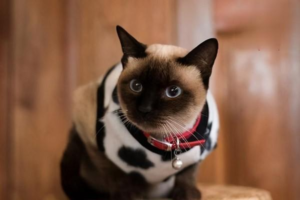
Feline Idiopathic Cystitis: What It Is and How to Help
Feline idiopathic cystitis, or stress-linked cystitis, is the most common lower urinary tract disease in cats, making up about a third of cases. It is diagnosed by ruling out infection and stones, then eased by cutting stress, using facial pheromones, and boosting water intake.

Why Your Cat Won’t Eat, Looks Lethargic, and Is Losing Weight
A cat that stops eating grows weak and thins fast, and prolonged refusal can be fatal, so find the cause. Look to gut disease, viral infection like panleukopenia or rhinotracheitis, parasites or hairballs, or unspent heat, and see a vet when unsure.

What to Feed Your Cat at Each Life Stage
A cat's nutritional needs change at every stage, from colostrum and mother's milk in the first weeks to softened kibble and formula through the kitten months, then balanced adult food with toppers. Seniors and pregnant or nursing queens need easy-to-digest, calorie-dense meals — matching food to age protects digestion and supports steady growth.

Winter Dog-Care Myths: Clothes, Heating Pads, Overfeeding, and Boots
Common winter mistakes are dressing every dog (double-coated breeds like Huskies need no clothes), using unsafe heated beds, overfeeding because the dog is less active, and leaving boots on too long, which breeds fungus and warps the gait. Dress only short-haired or single-coated dogs in breathable cotton, and keep portions steady through the cold months.
Best Ways to Treat Diarrhea in a Budgerigar
Diarrhea in budgerigars shows as watery, discolored droppings, a soiled vent, lethargy, and extra drinking — and can be fatal if ignored. Start with garlic water and warmth for a day or two, move to oxytetracycline if there's no improvement, and suspect chlamydia (psittacosis) when eye and nose discharge appear.

Is It Harmful When Your Cat Steals Dog Food?
Cats are strict carnivores and dog food isn't built for them: it lacks the taurine cats must get from diet (deficiency risks retinal degeneration and blindness) and enough arginine (low arginine spikes blood ammonia), and cats can't convert beta-carotene to vitamin A as dogs do. The coarse fiber and carbs dogs tolerate easily strain a cat's gut and can trigger urinary syndrome. Keep the cat out of the dog bowl.