Search Results
239 results for “fat intake”

Why Is My Cat Thin and Unable to Gain Weight?
If a cat eats normally but stays thin, take note — it may be sick. Common causes are internal parasites that steal nutrients, poor gut absorption, high activity (common in kittens), or low-quality grain-heavy kibble. Switch gradually to a nutritious, palatable food, and if weight keeps dropping, see a vet, since diet alone won't fix an underlying problem.
How to help an obese dog lose weight?
An obese dog can lose weight through proper diet and exercise. First, set a daily food amount and feed on a fixed schedule to avoid overeating. Control treats, giving them only at set times, and avoid high-fat foods like nutritional paste, meat cans, and fatty meat. Gradually increase exercise like longer, more frequent walks; choose swimming or walking if limited.
How can a Corgi gain some weight?
To gain weight or muscle, gradually increase food intake a little each day, but control portions to avoid obesity-related diabetes and high lipids. More protein helps build muscle; choose high-protein kibble or add meat, eggs, or goat milk. Daily exercise builds muscle and reduces fat.
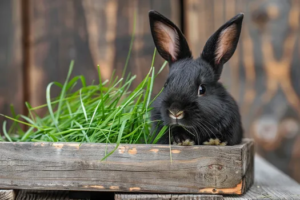
Will a Rabbit Die from Drinking Water? Can Rabbits Drink at All?
Rabbits have delicate guts, and many know that watery vegetables cause enteritis and death, blamed on the water in veggies. So should rabbits not drink? The answer may surprise you.

Is a Cat That Won’t Gain Weight Sick?
A cat that stays thin may be sick, but not always. Sometimes it eats a lot yet takes in too little nutrition, for example on long-term low-quality kibble. Here are the common reasons a cat stays slim.

How to Care for a Dog in Its Growth Stage
A 'growth-stage' dog is one from weaning to adulthood. After weaning it is separated from the mother and moves from milk to puppy kibble. As it grows, its energy needs change, so its diet must change too. Here is how to manage a growing dog.
What happens when an Alaskan Malamute is hungry?
A hungry Alaskan Malamute may show physical and behavioral changes: restlessness, longer sleep, fatigue, slow movement, weight loss, rummaging through trash. If hunger lasts too long, it may eat less or refuse food; extreme hunger can cause low blood sugar leading to lowered temperature, pale mucous membranes, weakness, shock. So provide enough food and water.
What Happens If a Puppy Eats Oil?
Puppies have fragile guts; too much oil causes diarrhea, vomiting, abdominal pain and even pancreatitis, plus weight gain and high cholesterol. Avoid excess oil.
What Happens If a Cat Eats an Overly Rich Diet?
Too much nutrition first causes obesity, raising the risk of diabetes, heart disease and arthritis. Excess vitamin D or protein can harm the kidneys, and overfeeding may also create picky eating habits.
What Happens If a Dog Eats Too Much Liver?
Liver is rich in vitamin A; long-term excess causes vitamin A toxicity--bone problems, muscle pain, dandruff, poor appetite, lethargy. Liver is also high in fat, causing obesity and raising risks of heart or lung disease, joint issues, high lipids, diabetes. Feed liver in moderation; if overfed, see a vet.