Search Results
239 results for “fat intake”
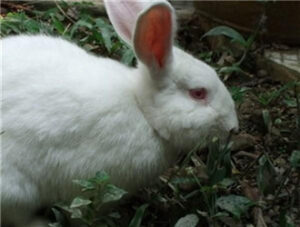
Florida White Rabbit
The Florida White Rabbit is a common, medium-sized all-white rabbit with red eyes from a lack of pigment, kept widely around the world as a popular and unremarkable breed. It is gentle, easy to care for, and an ideal choice for beginner rabbit owners.

Beveren Rabbit
The Beveren Rabbit is a relatively small pet rabbit breed with fairly unremarkable features, so it is not widely bred and purebreds are hard to find. Recognized by its 'V'-shaped upright ears and 1–2 inch coat, it makes a gentle companion for rabbit lovers willing to look beyond the more common breeds.

Dark-eyed Self White Guinea Pig
The Dark-eyed Self White guinea pig, like all guinea pigs, is lively, gentle, and chubby, easily startled and prone to squeaking. It loves a dry, clean environment. Also known as the white black-eyed Dutch pig or cavy, it is a common and easy-to-care-for small pet.
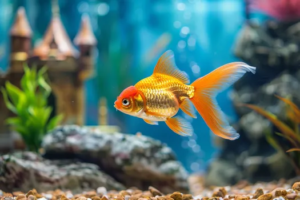
What Feed Should You Give Your Fish? Pros and Cons of Different Fish Foods
Fish foods come in many forms — live animal feeds, frozen feeds, and artificial diets. Here is how they compare, plus the common options in each group, so you can keep your fish healthy and colorful.

How to Feed Chinchilla Treats Safely
A chinchilla's staple is hay and pellets; treats are for bonding only. Pick low-fat, low-sugar, natural plant snacks (dried carrot, papaya, apple, rose petals, raw oats) and avoid roasted seeds, candy, and anything with preservatives or color. Keep treats under 3 g a day, skip them when the chinchilla is sick, and never give fresh high-water fruit that causes diarrhea.

Why Chinchillas Get Heatstroke — and How to Prevent It
Chinchilla heatstroke comes from heat above 30°C, high humidity, heavy exercise, or dehydration. Mild cases droop and lose appetite; severe ones coma, arch the head, stiffen, and foam — and die fast. Keep the environment below 28°C with good ventilation and humidity control, avoid exercise and sun in heat, and always provide water. Indoors is safest.
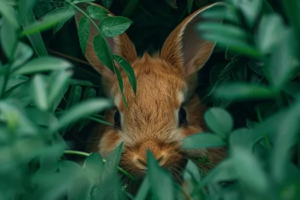
Why Is My Rabbit Suddenly Limp All Over?
A limp rabbit may be from calcium deficiency, low blood sugar, low energy intake, or cold/hard-to-digest food. Tell normal rest (jumps up when called) from pathology (slow, won't move or eat). Hypoglycemia needs warming and syringe-fed glucose water, then a vet. Feed on schedule with hay and pellets, and see a vet for persistent limpness or dry stool.
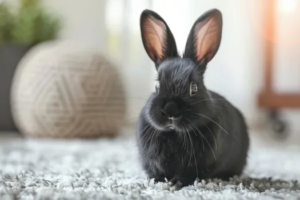
Rabbit Constipation: Causes and How to Prevent It
Rabbit constipation, common in young and old rabbits, comes from dry hardened gut contents due to poor feeding, too much concentrate, low water, or too little exercise, and can block the gut. Signs are poor appetite, hard small stools, then no stool with a painful belly and palpable hard masses. Prevent with balanced feed and water plus exercise; treat early with greens and, for severe cases, sodium sulfate or salt laxatives.
Dietary Causes of Picky Eating in Cats
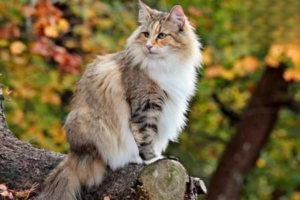
Cats turn picky for diet-related reasons: too many palatants in cheap kibble, too many snacks, a monotonous diet, or simple taste fatigue. Pickiness harms health, so vary the diet from kittenhood, mix favored and needed foods, and warm or moisten meals to boost aroma — without moving the bowl around.

A Turtle’s Main Nutritional Needs
A turtle needs protein, fat, carbohydrates, minerals and vitamins; a lack of any stalls growth, causes disease and can be fatal. Protein demand falls with age (hatchling > juvenile > breeder > adult) and must be animal-based; fat carries vitamins A/D/E/K but rancidizes if not stored cold and sealed; starch is best around 22.7–25.3%. Captive turtles also need added calcium, phosphorus and a complex vitamin mix.