Search Results
239 results for “fat intake”
What should a dog with poor kidneys eat?
For a dog with poor kidneys, manage diet under a vet; usually a kidney prescription diet or liver-support food is advised. Reduce fat, salt, and sugar, feed small frequent meals, avoid high-phosphorus, high-protein, high-salt food, and control water intake. The vet may add kidney-support medicine to aid metabolism and immunity.
What Medicine Should a Dog with a Weak Heart Take?
Dogs with heart disease can often improve with medications containing pimobendan, which improves circulation and eases heart strain, but only under a vet's guidance. Also manage diet to be light and balanced, low in fat and salt.
What Happens If a Dog Eats a Bug?
A dog eating bugs usually has little effect, since wild dogs also eat small animals and insects that supply protein and fat. But eating too many can cause digestive problems, and pesticide-exposed bugs can poison the dog.
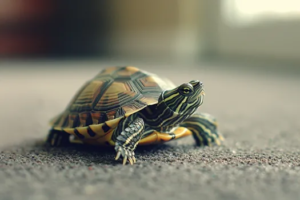
Why Are My Turtle’s Eyes Sunken?
Sunken eyes in turtles are usually from poor nutrition or serious dehydration. Malnutrition comes from illness/parasites or an unbalanced diet; dehydration from dry-keeping without soaking, bacterial infection, or hibernation. Treat the underlying cause, replenish nutrients (fish/shrimp, vitamins) and water, and see a vet if it doesn't improve.
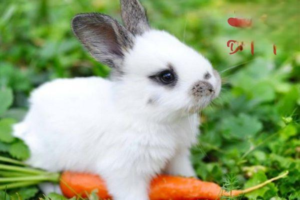
Should Rabbits Fast Before Spay or Neuter Surgery?
Rabbits should NOT be fasted before spay or neuter — they do not vomit under anesthesia, and an empty gut raises the risk of fatal gastrointestinal stasis. Spaying females at 1–2 years and neutering males around 6 months lowers reproductive-disease risk, and after surgery keep the environment calm, offer plenty of water and food, and watch the incision for infection.

How to Prevent Turtle Enteritis
Enteritis is a common turtle disease whose early signs—lethargy, reduced appetite, loose stools—can turn fatal through organ failure if untreated, so prevention matters. Key measures are clean, disinfected enclosures (quicklime), good water quality, careful feeding on a fixed schedule with fresh food, and herbal prevention (Euphorbia humifusa) in warm months; treatment centers on early isolation and herbal or berberine/houttuynia injections.

Symptoms and Treatment of Crop Stasis in Small Parrots
Small parrots often overeat because they cannot regulate their intake, leading to crop stasis in which food ferments and rots in the crop and can be fatal if ignored. Key signs include a swollen crop, loss of appetite, lethargy, and sour-smelling drool; treatment ranges from withholding food and water and giving probiotics to clearing the crop mechanically or, for foreign-body blockage, surgery.

How Long Can a Parrot Survive Crop Stasis, and How Is It Treated?
Crop stasis (also called crop impaction) in parrots is often caused by a blockage below the crop or by slow digestion, and if left untreated a parrot—especially a chick—usually survives no more than about three days. Prompt care includes withholding food and water, giving probiotics, and, for severe cases, clearing the crop with a syringe and tube or seeking veterinary treatment.

Siberian
The Siberian Forest Cat, shortened to Siberian Cat, has the earliest written records from the 11th century: it was a very common cat in Russian markets and Siberian villages. Living in a harsh country, it is covered in long fur with a thick ruff around the neck. Its outer guard hairs are hard, smooth, and oily, and its dense undercoat resists the Siberian cold.

Birman
The Birman, also called the sacred cat of Burma, is a medium-sized cat with the Latin name Birman. Although now distributed worldwide, legend says they once lived only in Myanmar and were kept by temple monks; because they guarded the hall, they are considered temple guardian cats.