Search Results
26 results for “facial features”

Abyssinian
The Abyssinian, also called the rabbit cat, Ethiopian cat, or Abyssinian, has the English name Abyssinian and is now distributed around the world. People usually judge a cat's origin by its name, but the Abyssinian's origin seems somewhat distant from Abyssinia. Abyssinia is the old name for Ethiopia, yet many believe the Abyssinian comes from ancient Egypt.

Rhinopithecus
The snub-nosed monkey (Rhinopithecus) is quite rare in number, and as the saying goes, rarity makes things precious, so it has become a rare and endemic animal of China. Because the earliest discovered snub-nosed monkey was the Sichuan golden snub-nosed monkey living in Sichuan, Shaanxi, and Gansu, this genus is generally called the golden snub-nosed monkey, whose English name translates literally as 'snub-nosed monkey.'

Cockatiel
The Cockatiel (Cockatiel) goes by different names in different regions; in Hong Kong and Taiwan it is often called the Crested Parrot. The Cockatiel is one of the most common medium-sized parrots in the world. Hand-reared young birds are very lively and love to bond with their owners.
How Does a Cat Recognize Its Owner?
Cats have good memory and smell; they recognize owners by voice, scent, sight, touch. Voice: they respond or approach when you speak. Scent: they remember your smell; changes alter their attitude. Sight: they recognize facial and body features. Touch: they recognize your petting--so interact often.

Why Do Some Cats Get Less Cute as They Grow?
A cat's looks can change with genetics, normal growth, illness, poor nutrition, stress, or age. Some breeds — tuxedo, white, Siamese, orange tabby, and Sphynx — are especially prone to 'growing out' of their kitten cuteness, but good care and prompt vet visits protect both health and looks.
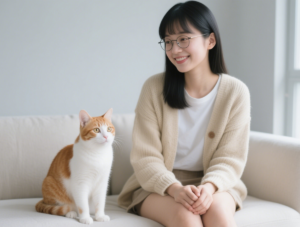
Why Your Cat Starts to Look Like You (It’s More Than Mimicry)
Many owners hear that their cat is the spitting image of them, and science backs it up. A British photographer pairing 3,000 cats with their owners found they do grow more alike over time, though a cat's breed determines its looks, not its owner's face. The real similarity comes from behavioral sync, calm owners raise calm cats and anxious ones raise jumpy cats, cats mimic our body language and match our daily rhythms. Psychology's "similarity attraction" means we subconsciously pick cats that resemble us, and brain studies show shared oxytocin and cortisol levels between long-term companions. In short, your cat doesn't become you, it tunes to your frequency.
- « Previous
- 1
- 2
- 3