Search Results
172 results for “electrolytes”
My dog hasn’t eaten for five days, wants water but drinks with difficulty and breathes loudly
Not eating but drinking usually means the dog is unwell with a serious illness. Drinking difficulty and loud breathing suggest respiratory disease, esophageal injury, or digestive or cardiopulmonary issues. With vague symptoms, a vet visit is urgent; five days without food likely means dehydration, so IV fluids for electrolytes are advised.

How to Treat Coccidiosis in Rabbits
Rabbit coccidiosis is a serious, potentially fatal disease marked by diarrhea, lethargy, poor appetite, and a foul odor. Treat it by isolating the sick rabbit, disinfecting its cage, and giving a dewormer, with vet care if symptoms do not improve.

What Dewormer for Parrots? How to Use the Spray?
Even caged parrots get mites, lice, nematodes, and trichomonads. Here are parrot dewormers and how to use them.
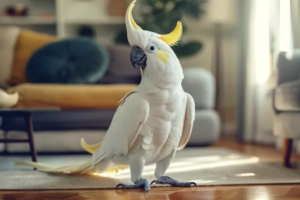
How Often Do Budgerigars Breed?
Budgies are prolific — they can breed 3-4 times a year and come into condition in any season, though spring, autumn, or winter is best. They mature at 4 months and peak at 3-4 years, laying 4-7 eggs per clutch. Keep the nest quiet and feed the hen extra nutrition while she incubates.
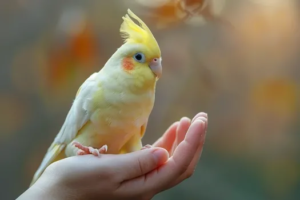
What Causes a Parrot to Shiver and What to Do
Parrot shivering usually means cold, fright, or illness such as a chill, enteritis, or diarrhea. Warm the bird and offer electrolytes for mild cases; for colds use sulfadiazine or yinqiao tablets, and for diarrhea try probiotics then oxytetracycline — see a vet if it persists.

Why Is My Bearded Dragon Having Diarrhea?
Lizard diarrhea is often from too much water in food (fruit/veg like strawberries, tomatoes, apples), mild indigestion (normal appetite), or enteritis (no eating, weak, dark chin — needs meds). Give electrolytes and raise temperature (38°C day, 20-30°C night), try reptile probiotics, and for suspected enteritis use an anti-diarrhea drug. Avoid moldy food and keep the enclosure clean.
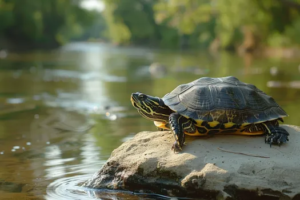
What to Do When a Turtle Has a Cold
A sick turtle shows poor appetite, bubbles from sneezing in water, weeping eyes and nose, pawing at face, wheezing or hard breathing, and lethargy — and a cold often turns into pneumonia, which can kill. Early: isolate, warm rest, add vitamins/electrolytes to warm water (recovers in ~a week). Mid: soak in cold medicine or oxytetracycline ~30 min. Severe: syringe amoxicillin 3x/week at 38-40°C; see a vet if no improvement.

What to Do When a Parrot Shivers
A shivering parrot is usually reacting to cold, fright, or parasites. Keep the cage above 5°C and the temperature stable, calm the bird after shocks, and watch for parasites or other illness — seek a vet if trembling is severe or the bird stops eating.
What should I do if my cat has hepatitis?
Feline hepatitis treatment depends on the cause, treating the primary disease and symptoms. Viruses, bacteria, parasites, and drug allergies can all trigger it. For liver damage, fluid therapy and antibiotics are generally used to supply glucose and electrolytes, reduce inflammation, and speed recovery.
What foods easily cause internal heat (heatiness) in hamsters?
Hamsters easily develop internal heat from eating too many nuts or salty foods. Salty foods make them thirsty and can imbalance blood electrolytes, so avoid chips, sausages, and bacon. Nuts like sunflower seeds, peanuts, walnuts, and cashews are high in calories and should also be limited.