Search Results
172 results for “electrolytes”
My cat is vomiting yellow fluid and won’t eat
Vomiting yellow fluid and not eating can be from infectious disease, foreign-body obstruction, hairballs, parasites, or acute gastroenteritis. First rule out infectious disease and do blood work at a vet, then treat the cause. Withhold food half a day to a day and watch; frequent vomiting risks dehydration — give fluids and an anti-vomiting injection. Self-medicating may worsen it; a vet visit is best.

What to Do When a Guinea Pig Is Injured from a Fall
Guinea pigs are clumsy and fear heights, so falls happen — check the slim limbs first. No wound and just shock? Rest and electrolytes. Small cuts? Clean and supplement. Serious face or limb fractures, or possible internal injury? See a vet.
What if distemper is treated without monoclonal antibody?
Monoclonal antibody is a virus-specific drug that boosts immunity against distemper; it's commonly used. Without it, infection may worsen with complications. Interferon/serum help but less clearly. Use enough, ideally early; severe cases combine with antivirals, fever reducers, fluids for electrolytes.
I took my hamster hiking and its mouth area got all wet, which looked like heatstroke; after water and the AC it slept; now it won’t eat, is hyperactive and climbs the cage (still in the car)
Early hamster heatstroke shows frantic running, then quietness with lethargy, rapid breathing, incoordination, vomiting, diarrhea or coma. Move it to a ventilated, cool place with ice packs or a fan. Give water with electrolytes or glucose for lost fluids; do not force-feed until it recovers.
My dog is weak in all limbs and listless after diarrhea—what should I do?
Diarrhea followed by limb weakness and low spirits may indicate mild dehydration; give rice porridge or warm sugar-salt water for fluids and electrolytes. Try pet anti-inflammatory and anti-diarrheal meds. If no improvement in half a day to a day, or diarrhea returns, see a vet to rule out parasites or distemper/parvo/coronavirus.
My dog keeps vomiting, won’t eat, walks unsteadily, is listless, and visibly thin.
Persistent vomiting and not eating can cause low blood sugar and dehydrating shock, leading to unsteady walking, malnutrition, hind-limb weakness, and weight loss. IV fluids with glucose and electrolytes are needed, then treat the underlying cause. Causes include gastroenteritis, infectious disease, parasites, cold, stress, organ injury, or poisoning.
How can you treat a two-month-old puppy diagnosed with coronavirus at home?
Canine coronavirus is contagious and can be fatal in two-month-old puppies, damaging intestinal lining and causing vomiting, diarrhea, and loss of appetite, occasionally bloody stool. Early treatment calls for fasting and veterinary support such as fluid therapy, antivirals, and symptom care, so home treatment is generally not advised.

Why Is My Parrot Shivering, and What to Do
A shivering parrot may be chilled, frightened, or parasite-itchy. Warm it above 10 C (at least 5 C), keep the temperature steady, and quiet a scared bird. Mild cases with normal appetite can be watched; severe signs need a vet.

Turtle Cold: Symptoms and Treatment
Turtle colds show as dull eyes, weeping eyes, runny nose, lethargy and white material at the mouth; severe cases develop pneumonia (crusted nostrils, wheezing). Treat by severity — isolation and warmth for mild, antibiotic (gentamicin/oxytetracycline) baths for moderate, and amoxicillin by weight for severe — keeping the enclosure at 30–32°C.
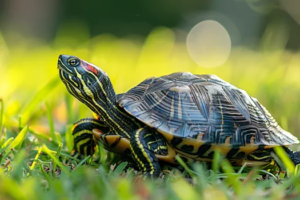
How to Treat a Cold in a Turtle
Turtle colds are treated by severity: mild cases need isolation and a warm (30–32°C day, 28–30°C night), well-ventilated environment plus electrolytes and sunlight; moderate cases add daily oxytetracycline soaks; severe cases need amoxicillin for two courses, with a vet visit if there is no improvement.