Search Results
172 results for “electrolytes”

Causes and Pathological Analysis of Turtle Enteritis
Turtle enteritis is usually triggered by a sharp drop in enclosure temperature or spoiled food, and good husbandry and careful feeding prevent most cases. This article covers the causes, the staged symptoms (from mild loose stools to severe floating, refusal to eat, and limb weakness), and the pathology—where lost electrolytes weaken the gut's absorption and must be replenished—plus treatment centered on anti-inflammatory, anti-diarrheal, and mucosal care.
Dog with distemper pneumonia: cough, dry heaves, runny nose, poor appetite, lethargy
Distemper pneumonia shows lethargy, poor appetite, breathing trouble, frequent cough, and dry heaves; the lungs show moist or crackling sounds and a blurry outline on X-ray. The virus has reached the lungs, so take the dog to a hospital for IV fluids, electrolytes, and cough, phlegm, wheeze, and fever medicine; use systemic cephalosporins, nebulization, and antivirals early, and isolate strictly as distemper is highly contagious and often fatal.
My rabbit has jelly-like stool with poor appetite and lethargy, and I have no rabbit medicine at home—what should I do?
If your rabbit has diarrhea, check its diet first and ensure plenty of hay and fresh water with some vegetables. For mild cases, fast 12–24 hours with warm water or electrolytes, add gut probiotics, and keep it warm and comfortable. If it lasts or is severe, take it to a vet.
How long does a dog’s acute enteritis take to heal?
Simple acute enteritis without complications usually improves within a week with active treatment. Treat symptomatically: withhold food and water and give fluids for severe vomiting to prevent dehydration and balance electrolytes, plus antibiotics, anti-inflammatories, antidiarrheals, and probiotics.

What to Do When a Cat Has Pneumonia
Feline pneumonia usually follows a cold, fever, or bronchitis, starting with fever, nasal discharge, cough, and lethargy, then labored breathing and a head-down, front-leg-splayed stance. Treatment centers on anti-inflammatory drugs plus expectorants, keeping the cat hydrated with glucose, and good nutrition. See a vet promptly.

Rosy-faced Lovebird
The Rosy-faced Lovebird is easily recognized by its head color, very similar to a peach. In the wild it often damages farmers' hard-grown crops, so it is driven away by local farmers.

What Causes Cat Pneumonia — and How Is It Treated?
Cat pneumonia starts with lung or bronchial inflammation, often triggered by dirty air, low immunity, a foreign body, a cold, allergy, or another disease (parvo, panleukopenia, kidney/heart). Acute cases show sudden fever and breathing trouble; chronic shows lasting cough and low appetite. Treatment is culture-guided antibiotics plus cough relief and fluids, with prevention focused on a clean, dry environment.

Why a Doe Eats Her Kits and How to Prevent It
A doe may eat her kits from thirst after birth, low milk, poor prenatal nutrition, fright, a cannibalistic habit, strange smells, or illness. Prevent it with strong prenatal feeding and warm salted water after kindling, a quiet space, no scent changes or bare-hand handling, and fostering only after masking the kits with the foster doe's milk and urine.
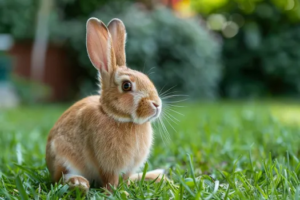
What to Do When a Rabbit Has Heatstroke
Rabbits overheat easily because of their thick coat and poor heat dissipation, and severe heatstroke can be fatal. Move a stricken rabbit to a cool, ventilated place, cool it with a damp towel, and prevent recurrence by keeping cages shaded, well-ventilated and supplied with plenty of water.
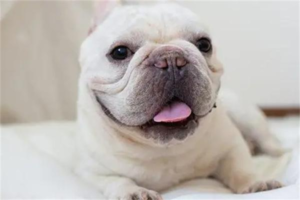
French Bulldog Heatstroke: Symptoms and What to Do
Heatstroke happens when a dog cannot regulate its body temperature in hot or humid conditions, causing dangerous overheating. As a short-nosed breed, French Bulldogs are especially prone to heat stress and breathing difficulty. An affected dog runs a temperature above 40°C with rapid breathing, red membranes, dry mouth, tongue extension, foaming, and even collapse — move it to shade, give water and electrolytes, and apply ice to the armpits, belly, and neck to cool it down.