Search Results
1238 results for “early symptoms”

Infectious Rhinitis in Rabbits
Infectious rhinitis is a chronic rabbit disease triggered by allergens or viruses (often Pasteurella and Bordetella bacteria), and frequent sneezing is its hallmark sign. Allergen-driven cases clear once the trigger is removed, while viral cases need medication — and the sooner treatment starts, the better.

Recognizing Heart Disease in Rabbits
A rabbit's resting heart rate is 140–180 bpm and rises under stress; hidden heart disease shows as low activity, bloating, odd posture, and fast breathing. The rabbit heart has unique anatomy, so vet diagnosis is essential.

Canine Coronavirus in Dogs
Canine coronavirus is a contagious gut infection causing vomiting and diarrhea, especially dangerous to puppies. There is no targeted cure, so treatment stabilizes symptoms while prevention relies on hygiene and avoiding crowded dog areas.
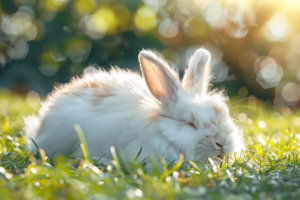
Infectious Stomatitis in Rabbits
Infectious stomatitis (also called 'salivation disease') is a contagious viral disease of rabbits, especially 1–3-month-old kits, often infecting a whole litter at once. It causes drooling, mouth blisters and ulcers, and can kill kits within a week without prompt treatment; isolation, topical antibiotics and good hygiene are key to control.

Dog Tartar: A Problem You Should Not Ignore
Tartar forms when food debris and plaque harden on a dog's teeth, and if left untreated it causes bad breath, loose teeth, and gum inflammation, and can even let bacteria enter the bloodstream and threaten the kidneys or heart. Regular dental care and professional cleaning are the keys to prevention.

How to Support a Cat with a Sensitive Stomach
Some cats have notoriously delicate digestions—the so-called glass stomach—prone to soft stools, diarrhea, and vomiting. The key to managing it is diet. Choose a limited-ingredient, single-protein hypoallergenic food, feed small meals several times a day, and always transition new food over seven days. Pet-specific probiotics (mixed into water below 40°C so the live cultures survive) help rebalance gut flora, while a calm, low-stress home prevents flare-ups. If symptoms persist or worsen, a vet check and possibly a prescription gastrointestinal diet are the right next steps.

What Causes Intestinal Intussusception in Dogs?
Intestinal intussusception in dogs is mainly caused by intestinal stasis, twisting, or prolapse, and playful puppies with big appetites are especially prone. Over-hunger, cold milk, poor food, and cold water can trigger it, as can secondary diseases. Symptoms include vomiting, abdominal pain, and appetite loss; seek veterinary care promptly to avoid a life-threatening blockage.

Causes and Treatment of Cat Cystitis
Cat cystitis is a common and painful urinary condition caused by bacterial infection, diet, stress, and environmental factors. Affected cats show frequent, painful urination and cloudy or bloody urine. Treatment combines antibiotics, dietary adjustment, and good litter-box hygiene, with prevention focused on hydration and a clean environment.

Why Does My Cat Cry at Night and What to Do
Nighttime cat crying can stem from hunger, thirst, litter needs, loneliness, boredom, or illness. Meet basic needs with scheduled food/water and clean litter, give play and attention, and see a vet if other symptoms appear.

How to Treat Dog Rhinitis at Home
Dog rhinitis causes nasal discharge, congestion, and sneezing. At home: keep the environment clean, control allergens, rinse the nose with 0.9% saline 1–2 times daily, boost immunity, and use vet-approved antihistamines or steroids if needed.