Search Results
1238 results for “early symptoms”

Rabbit Vesicular Stomatitis
The vesicular stomatitis virus causes rabbit vesicular stomatitis, living in sick rabbits' saliva and necrotic oral tissue; just-weaned kits are most at risk. Incubation is 5 to 7 days. Signs: red mucous membranes, vesicles on lips, tongue, and palate that become pustules then ulcers with heavy drooling; secondary bacteria cause foul necrosis. Mortality exceeds 50%. Differentiate from chemical or mold-induced stomatitis, which is not contagious.
Rabbit Salmonellosis
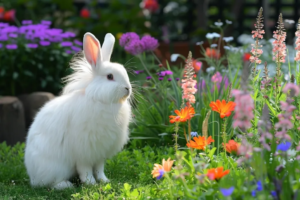
Rabbit salmonellosis is a digestive disease caused by Salmonella typhimurium and Salmonella enteritidis, mainly hitting pregnant does. The bacteria are weak against disinfectants such as 3% lysol or 5% lime milk. Prevention centers on hygiene, flock screening, and killed vaccines for breeding and pregnant does.

Yes, Dogs Get Low Blood Sugar Too — Here’s What to Know
Dogs do get hypoglycemia, and it strikes puppies most, then nursing mothers. Why does it happen, and what does it look like? Learn the causes, signs, and how to prevent and treat it.

Precautions for Dog Hypoglycemia
Dogs get low blood sugar much like people, and it is not rare — but with prompt care they usually recover fast. Know the symptoms so you can act in time. Learn the causes, signs, and treatment of canine hypoglycemia.

What Medicine Helps a Dog With Acute Gastroenteritis?
Acute gastroenteritis in dogs shows up as poor appetite, vomiting, and diarrhea, with many possible triggers. Learn its symptoms, causes, and the care and medicine that help a dog recover.

What to Do When a Dog Has a Fever
A dog's temperature of 39.5 C or higher counts as a fever. Causes range from wounds and infections to organ involvement and post-vaccine reaction. Signs include lethargy and appetite loss; confirm with a pet thermometer, cool the dog down for mild cases, and seek veterinary care for serious or persistent fever.

Rabbit ‘Big Belly’ Disease (Enteritis/Bloat): Causes & Care
Rabbit 'big belly' disease is a fast, often fatal gut illness from mixed E. coli/coccidia infection, viral diarrhea, or low fiber. This guide covers its signs, prevention (clean feed, grass), and treatment (fasting, gentamicin, probiotics).

Does Stud Tail Recur and How to Prevent It
Stud tail tends to recur because it is hormone-driven; without fixing the hormonal source, treatment drags on. Prevention centers on appropriate bathing, regular grooming, neutering, and early topical medication.
Why Your Rabbit Won’t Eat and Looks Lethargic
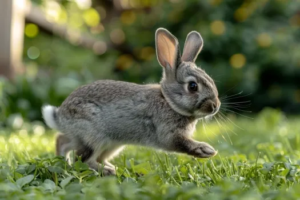
A rabbit that stops eating and goes listless may be dehydrated, constipated, or fighting an infection such as coccidia or bacteria. This article explains the causes and the constipation-relief methods (salts, oils, enema, meds).
Common Causes of Shivering in Cats and Dogs and How to Manage Them
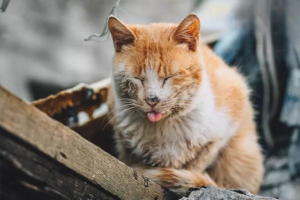
Shivering is body trembling from cold, emotion, disease, or weakness—common in pets, and seizures include it. Causes range from simple cold to poisoning or infection; this article reviews them.