Search Results
1238 results for “early symptoms”

Cat Colitis: Symptoms, Causes & Treatment
Cat colitis brings chronic constipation then watery, bloody, foul diarrhea and weight loss. Causes include stress, parasites, allergies, FIV/pancreatitis, and diet change. Treatment is antidiarrheals, sometimes steroids, plus cause removal and good nutrition.
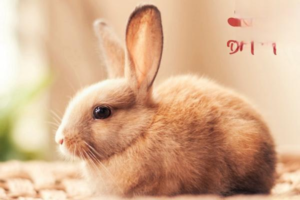
Rabbit Foot Dermatitis: Symptoms & Treatment
Rabbit sore hocks start as hair loss, crusting, and redness, then deep pus cavities if untreated—even sepsis. Treatment is daily cleaning with peroxide, deep medication, an E-collar, and consistent care.
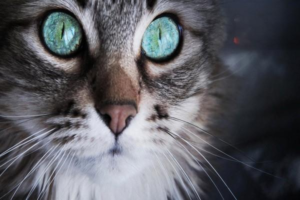
Symptoms of Heart Disease in Cats
A US study found 16% of seemingly healthy cats hide heart disease. Key warning signs: mouth-open breathing, strong chest/belly movement, sudden hind-leg paralysis from arterial clot, and fainting. Act fast at any of these.
Rabbit Foot Dermatitis: Symptoms & Treatment
Rabbit sore hocks start as hair loss, crusting, and redness, then deep pus cavities if untreated—even sepsis. Treatment is daily cleaning with peroxide, deep medication, an E-collar, and consistent care.

Symptoms of Hypertrophic Heart Disease in Cats
Feline HCM is common in breeds like Burmese and Ragdolls. Early signs are subtle — breathing trouble, low appetite, tiredness — while late signs include heart failure, blood clots, and sudden death. Learn what to watch for.

Rabbit Foot Dermatitis: Symptoms & Treatment
Rabbit sore hocks start as hair loss, crusting, and redness, then deep pus cavities if untreated—even sepsis. Treatment is daily cleaning with peroxide, deep medication, an E-collar, and consistent care.

Understanding Pet Diabetes: Symptoms & Treatment in Dogs and Cats
Diabetes in pets is mostly primary (beta-cell damage) and shows as eat-more/drink-more/urinate-more/weight-loss. Management needs insulin, glucose-lowering drugs, fluids, diet, and infection control; prevention is fiber, exercise, and regular glucose checks.

Understanding Pet Diabetes: Symptoms & Treatment in Dogs and Cats
Diabetes in pets is mostly primary (beta-cell damage) and shows as eat-more/drink-more/urinate-more/weight-loss. Management needs insulin, glucose-lowering drugs, fluids, diet, and infection control; prevention is fiber, exercise, and regular glucose checks.
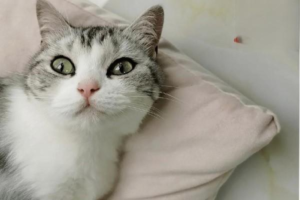
Symptoms of Cardiomyopathy in Cats
The three types of feline cardiomyopathy share similar signs — all lower the heart's pumping power and end in failure. Spotting fast breathing, blue gums, weak pulse, or sudden collapse early can save your cat's life.

Rabbit Foot Dermatitis: Symptoms & Treatment
Rabbit sore hocks start as hair loss, crusting, and redness, then deep pus cavities if untreated—even sepsis. Treatment is daily cleaning with peroxide, deep medication, an E-collar, and consistent care.