Search Results
258 results for “ear position”

What Causes Cat Dacryocystitis (and How It’s Treated)
Cat dacryocystitis (inflammation of the tear ducts/sac) can stem from genetics, facial structure, environment, or eye disease. Flat-faced breeds like Persians and Exotic Shorthairs are prone to blocked ducts. Keep the eyes clean and the environment dust-free to prevent it. Treatment targets the cause: gentle cleaning and vet-guided drops (antibiotics, anti-inflammatories, lubricants), surgery for severe cases to clear the sac, and a clean, humidified home to ease symptoms.

Why Do Cats Get Folliculitis?
Feline folliculitis is a common skin condition that causes discomfort and distress for cats. It can be triggered by a mix of external factors, daily habits, and even genetics. Environmental issues such as bacteria, fungi, and parasites thrive in warm, humid conditions and raise the risk of infection. Over-grooming, scratching, and poor coat care can also damage the skin and lead to flare-ups, while long-haired breeds like Persians and Siamese are genetically more prone to it. The good news is that folliculitis is manageable. Treatment involves clipping the affected area, cleaning with saline, disinfecting with iodine, and applying an antibacterial ointment daily. Prevention relies on a balanced diet, regular grooming, a clean and dry living space, gentle bath products, and routine veterinary checkups. With the right care, owners can greatly reduce the likelihood of recurrence.

Why Does My Dog Pant Heavily at Night?
Brief panting after exercise, fever, excitement, or stress is normal, but frequent nighttime panting deserves attention. Common causes include respiratory disease (tracheitis, bronchitis, pneumonia, asthma), heart disease in obese or older dogs (hypertrophic cardiomyopathy, myocarditis, heart failure), obesity pressing on the airways, poor sleep posture, and anxiety or bad dreams. If panting is frequent or comes with lethargy, low appetite, exercise intolerance, or coughing, see a vet. Keep the dog slim, the home clean and calm, and manage any weight issue.
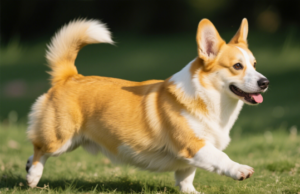
Are Corgis Prone to Patellar Luxation?
Corgis are indeed a high-risk breed for patellar luxation. Data from the Orthopedic Foundation for Animals (OFA) puts corgis in the top three among small breeds, with about 20%–30% developing some degree of the condition. The cause is twofold: a genetic mutation that leaves the trochlear groove too shallow to hold the kneecap, and a short-leg bone structure that angles the femur and tibia inward by 15°–20° more than usual, pushing the patella out of place. The problem is graded I–IV, from occasional skip-hopping to permanent dislocation. Mild cases are managed with joint supplements and limited exercise, while grades III–IV usually need surgery. Keeping the dog at a healthy weight and avoiding stairs and jumping are the best prevention.
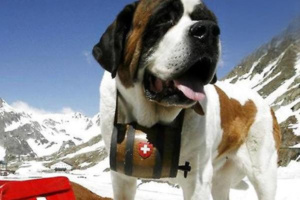
How to Teach Your Dog to Play Dead
Playing dead is a classic, crowd-pleasing trick that also taps into a dog's natural instinct to freeze when threatened. A responsible owner can bring that instinct back and turn it into a fun party piece. The training has four stages: pair a cue like a hand gesture or a mock "bang" with the down position, then teach the dog to hold still until released, build up to ignoring distractions, and finally "revive" the moment you call its name. Go slowly, use a calm reward when the dog stays down, and keep sessions short and upbeat so the dog learns the difference between the trick and a real rest.

Why a Dog That Stops Moving in Winter May Have Arthritis
As the deep cold of winter sets in, some owners notice their dog no longer wants to go out or play, blaming the weather, but the real cause may be osteoarthritis. OA affects 30 to 50 percent of dogs and cats and is not only age-related; even young dogs can develop it, with breed, age, sex, weight, and genetics all playing a role. It is a whole-joint disease where cartilage breakdown outpaces repair. Signs include less activity, stiffness after rest, painful swollen joints, and irritability. Management combines weight control, sensible exercise, NSAIDs for pain, and therapy with joint supplements.
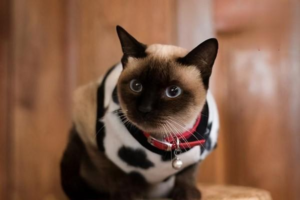
How to Hold Your Cat Comfortably
New owners' main goal is avoiding scratches and bites—if you're afraid, don't force it. Stay still if bitten or scratched (don't jerk). Pick the right moment: when the cat comes to you or is calm, not mid-play. To lift, either scruff small/tricky cats to free your other hand, or (with a tame cat) scoop under the armpits and immediately support the rear. Carry cradle-style (like a baby), over the shoulder (control the scruff), or with one arm around the chest and the other under the hips. Set it down the moment it fusses.

Why Your Dog Keeps Changing Sleeping Spots
If your dog keeps getting up and switching spots through the night, it usually means something is unsettling them. The most common reasons are an unfamiliar environment with no sense of security, separation anxiety after boarding or time away from you, nervousness triggered by strangers or new pets in the home, or an underlying physical problem that causes pain. Most cases improve with a stable routine and a safe, comfortable den, but restless sleep joined by other symptoms can point to illness and deserves a vet check. Watch closely and respond early.

The Hidden Meanings in Your Cat’s Tail
A cat's tail is a rich mood telegraph. A tail held high and quivering while the cat rubs on you is pure trust and affection (it recalls mother cats stimulating kittens to eliminate). A still tail with a hooked tip means content and relaxed; an upward wag while weaving around you is begging like a dog; a low or tucked tail signals fear; a tail sweeping the floor means alert and about to act; a puffed, thrashing tail is a clear 'back off' before attack. When the tail is perfectly still, the cat trusts you most—like family.
Great Dane Temperament: The Gentle Giant
The Great Dane is a giant breed with a gentleman's bearing, once favored by European royalty. Despite its powerful frame, it is affectionate, patient, and famously good-natured—often called the biggest dog with the best temperament. Great Danes bond closely with their families, are gentle with children, and stand calmly protective of home and owner without fear or needless barking, making them excellent family companions as well as watchdogs.