Search Results
258 results for “ear position”
Why Is My Senior Dog Panting Heavily?
Rapid breathing in a senior dog is not 'just old age' — a normal rate is 10–40 breaths per minute and seniors are usually slower. Persistent fast, heavy breathing at rest points to heart or lung disease, metabolic upset, chronic pain, or environment (heat, poor air, obesity, brachycephalic breeds). Keep it cool, calm, and ventilated, log the rate and other signs, and see a vet promptly; many senior diseases progress fast.
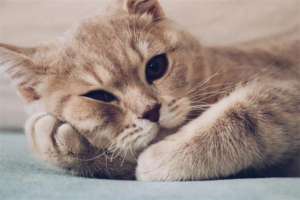
Where Cats Don’t Like to Be Touched
Most cats dislike being touched on the belly, paw pads, tail, and ears — especially the belly, which protects vital organs and feels vulnerable. They generally enjoy the top of the head, chin, cheeks, back, and base of the tail. Always read your cat's body language and stop if it shows discomfort.

Why Does My Dog Raise Its Butt?
A dog that raises its rear may simply be stretching, inviting play, showing affection or submission, or signaling heat in an unspayed female. If the posture is sudden, frequent, and accompanied by obvious pain, it can point to abdominal discomfort and warrants a vet visit.

What Are the Common Eye Diseases in Dogs?
Dogs can develop several common eye problems, including conjunctivitis, keratitis, entropion, and cataracts, each with distinct signs such as redness, tearing, cloudiness, or a whitish discoloration. Some breeds are more prone to certain conditions, but daily eye checks and prompt cleaning of discharge go a long way toward prevention.
Dog Bloated After a Meal? It Could Be Gastric Torsion — Only 4 Hours to Save Them
Acute gastric torsion in dogs, medically called GDV, twists the stomach like a towel so both ends seal shut, causing repeated dry heaves, a swollen belly, and labored breathing. It moves fast — often under 4 hours from onset to life-threatening — so rush to a vet at once. Treatment relieves pressure by tubing the stomach and gives IV fluids to correct shock.

How to Prevent Cat Car Sickness
Cat carsickness is motion sickness driven by conflicting signals from the inner ear, eyes, and body sense, made worse by a cat's natural anxiety about the unfamiliar car environment. You can prevent it by acclimating your cat to its carrier and a stationary (then running) car with treats, securing a roomy carrier in the gentlest seat, driving smoothly with regular 1–2 hour breaks, withholding food 4–6 hours before travel, and using vet-approved motion-sickness medication when needed.

What Causes Shock in Dogs?
Dog shock takes several forms — hypovolemic, septic, cardiogenic, anaphylactic, neurogenic, and traumatic — and each needs a different emergency response. If your dog shows signs of shock, give the appropriate first aid based on the symptoms and get to a veterinary clinic as quickly as possible.

Why Do Cats Have Difficult Labor?
Dystocia in cats has many causes: existing health problems or illness during pregnancy, overly large kittens, abnormal positioning, or stress during delivery all raise the risk. Before birth, take steps such as a prenatal check to lower the risk and protect mother and kittens.
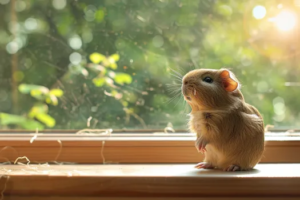
The Dangers of Obesity in Hamsters
Obesity seriously harms a hamster's health. It raises the risk of diabetes, high blood pressure, and heart disease, and can trigger fatty liver, joint problems, and breathing trouble. Extra weight lowers overall vitality, dulls appetite and digestion, and can spoil sleep quality, which then affects physical and mental wellbeing. Prevent it with a varied, balanced diet, controlled portions, and enough space plus a wheel and toys for regular exercise. Knowing breed weight standards helps you spot and reverse excess weight early.

What Are the Symptoms of Dry Eye in Dogs?
Dry eye, or keratoconjunctivitis sicca, happens when a dog's tear film produces too few tears or they evaporate too quickly, leaving the eye surface dry, scratched, and vulnerable. It can stem from genetics, hormone imbalance, infection, drug side effects, or injury. Telltale signs include dry, itchy eyes, redness and swelling, frequent blinking or pawing at the face, increased discharge, dulled vision, and even lost appetite from discomfort. Left untreated, it can lead to infection or blindness. A vet confirms it with a tear test (STT) after ruling out conditions like conjunctivitis or corneal ulcers. Treatment ranges from artificial tears, tear-stimulating drops, and antibiotics to physical care such as warm compresses, and in severe or unresponsive cases, surgery like parotid duct transposition. Catching it early protects both comfort and sight.