Search Results
4113 results for “ear pH”
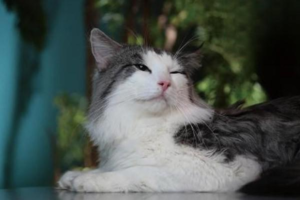
Why Cats Vomit and What to Do
Not every cat vomit means illness — healthy cats throw up occasionally — but weekly or more frequent vomiting warrants a vet visit. Causes range from eating too fast and hairballs to food allergies, infections, parasites, toxins, and underlying organ disease, and it helps to tell true vomiting from simple regurgitation.

Can Urinary Blockage Kill a Cat?
A blocked cat can't pass urine and, left untreated, faces acute kidney failure, bladder rupture, shock, and death within a short time. Early signs are smaller urine clumps, frequent straining, crying in the box, blood in the urine, then collapse. Treatment is catheterization plus fluids, with antibiotics or surgery for underlying stones; at home, an anti-inflammatory plus a diuretic helps. Prevent it with more water, less stress, exercise, check-ups, and watching the litter clumps.

What to Know Before Breeding Cats
Before letting cats mate, learn both animals' backgrounds, match similar-sized purebreds, and time it after the female's second estrus with a mature, experienced male. Both cats must pass a health screen for parasites, skin disease, infectious disease, and genetic defects, and a quiet, undisturbed setting should be prepared.
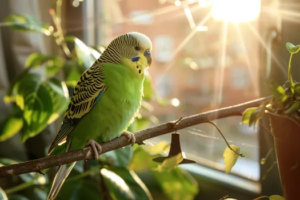
How to Treat Diarrhea in Parrots (and Which Medication to Use)
Diarrhea is as common in parrots as a cold is in people, and usually mild — but severe cases can be fatal. It is triggered by chilling, overeating, or spoiled and contaminated food, and is managed by warming the bird, switching to dry grains, and, for bacterial cases, a carefully dosed course of oxytetracycline.
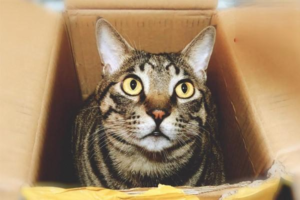
Understanding Stress in Cats
Stress in cats is a chain of physical and emotional reactions to fright or pressure — from hiding and jumpiness to trembling, fast breathing, vomiting, and diarrhea. In vulnerable cats it can tip a latent coronavirus toward FIP or trigger a urinary blockage. Ease a new cat in quietly, never startle it for fun, and see a vet if stress signs appear after a trip or a move.

Should You Walk a Dog With a Cold?
A dog with a cold should rest indoors rather than go for walks until it has fully recovered — typically three to four days for a mild case, up to a week when symptoms are worse. Keep the dog warm, use a pet-specific cold remedy for mild signs, and see a vet if a fever appears.
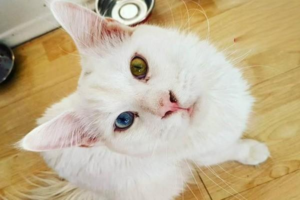
How to Deal with Hairballs in Cats
Cats swallow loose fur while grooming, and when it piles up it causes hairball syndrome — lost appetite, retching, and constipation, potentially even intestinal blockage. Manage it with hairball paste from around 4 months, cat grass, daily brushing, and the occasional hairball-control diet.

When Does a Dog Need Calcium Supplements?
Most adult dogs on a balanced diet already get enough calcium, but puppies, pregnant or nursing mothers, and seniors need supplements. Puppies risk double rows of teeth and bowed legs, mothers risk postpartum tetany from low blood calcium, and seniors lose bone density — yet over-supplementing harms them too, so confirm with a blood test first.

What Does a Cat Need to Develop Cheek Fluff?
Cheek padding — the round "pancake face" — is a secondary sex trait of male cats, driven mainly by genes and helped by age, sex, and breed. Most cats start padding out at 6–8 months if intact and of a prone breed such as British Shorthair, Exotic, Chinchilla, or Himalayan; Siamese, Russian Blue, Sphynx and a few others essentially never will, so overfeeding them only causes obesity.

Causes and Signs of Stress in Cats
Cats hide discomfort well, so stress slips by unnoticed until it sparks illness — a new pet, a household argument, or a move can all be the trigger. Physical signs include dilated pupils and fast breathing, while behavior shifts to hiding or aggression, and severe stress can even be fatal.