Search Results
4113 results for “ear pH”
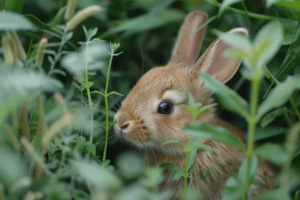
Why Rabbits Pull Their Own Fur
A rabbit pulling its fur may simply be a pregnant doe lining a nest before birth — or it may signal skin disease, parasites, a vitamin/mineral shortfall, or the stress of too small a cage. Check the skin for rash or scabs, fix the diet with varied hays and greens, and give it room to roam; separate any fur-puller from cage-mates so the habit doesn't spread.

Types of Feline Panleukopenia (Cat Parvo)
Feline panleukopenia is a deadly, highly contagious viral disease with a biphasic fever. Beyond the basic form it presents as enteritis, constipation, no-stool, bloody, respiratory, anemia, or mixed types — each needing targeted vet care. Vaccinate to prevent.
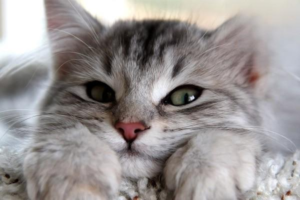
Why Cats Develop Black Crusts (Scabs): Causes and Treatment
Black crusts on a cat, such as around the nose, are dried mixtures of serum, blood, pus, and scale. They can stem from primary problems like idiopathic seborrhea, but more often signal an underlying skin disease such as ringworm, insect bites, or pemphigus foliaceus, so a veterinary diagnosis is needed before treatment.

What to Do If Your Dog Eats Onion (Onion Poisoning)
Onions contain propyl disulfide, which cripples red-cell defenses (G6PD) and causes oxidative damage, Heinz-body formation, and hemolysis. Treatment is antioxidant and liver support with antiemetics and nutrition, and a transfusion if the red-cell count crashes.
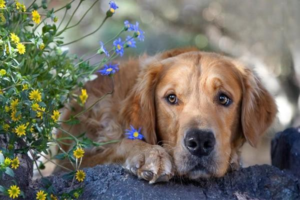
Anal Gland Inflammation in Dogs: Signs and Treatment
Anal gland inflammation starts when the sac's duct blocks and fluid builds up, causing scooting, straining, and a foul discharge — and sometimes an abscess. Treatment is manual expression and flushing, plus antibiotics if infected.

Interdigital Dermatitis (Pododermatitis) in Dogs: Symptoms and Treatment
Interdigital dermatitis, also called interdigital pyoderma, is a chronic inflammatory condition that produces painful granulomatous nodules between a dog's toes. Treatment depends on the cause: remove any embedded foreign object and use warm foot soaks, or control bacterial infection with systemic antibiotics or surgical excision.

Canine Third-Eyelid Gland Prolapse (Cherry Eye): What to Do
A prolapsed third-eyelid gland, commonly called cherry eye, occurs when the gland under the nictitating membrane swells and pushes past its free edge, forming a pink fleshy mass. The standard treatment is surgical removal of the hypertrophic gland after disinfection and local anesthesia, followed by antibiotic eye drops.
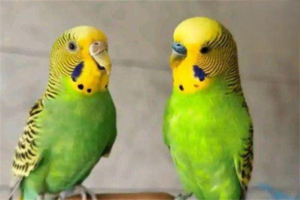
Can Parrots Get Stressed? (and How to Prevent It)
Yes — parrots feel stress, and chronic stress weakens their immune system, dulls their appetite, and can even lead to self-harm or attacks on cage-mates. Stress rises with poor care, unmet needs, fear, over-handling, or predators like cats and rats. Ease it with a safe, quiet, well-protected space, steady food and water, hideouts, and room to move.

Canine Parainfluenza: Symptoms and Treatment
Canine parainfluenza is a contagious viral respiratory disease spread by aerosols from infected dogs, with fever, mucoid nasal discharge, sneezing, and a cough. Supportive care — serum therapy, antivirals, antibiotics against secondary infection, and careful fluids — carries most dogs through, though mortality can reach about 60%.

Pseudorabies (Aujeszky’s Disease) in Dogs and Cats
Pseudorabies is a herpesvirus infection that mimics rabies but is defined by intense itching and encephalomyelitis, usually killing dogs within 24 to 36 hours. Dogs catch it mainly by eating infected pig or rat offal or through skin wounds, so control relies on rodent control, no raw pork, and disinfection.