Search Results
4113 results for “ear pH”
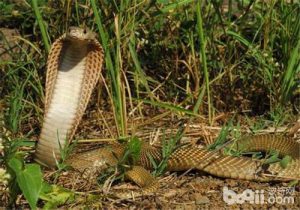
Philippine Cobra
The Philippine cobra (Naja philippinensis) is a highly venomous elapid native to the Philippines, whose primarily neurotoxic venom can kill within an hour. A short, stout cobra of farms and forests, it has no record of safe captive keeping and is best observed in the wild.
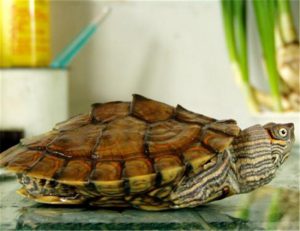
Graptemys pseudogeographica (False Map Turtle)
The false map turtle is a map turtle that is less commonly kept than sliders, needing clean water and a quiet environment. It is omnivorous but especially loves shrimp, and is distinguished by bright yellow markings behind the eyes.

Phormictopus cancerides
The Haitian brown tarantula (Phormictopus cancerides), also known as the Dominican blue tarantula, is native to the tropical rainforests of Haiti and Brazil. It is one of the classic pet tarantula species kept by enthusiasts.

Dog Panting After a Few Steps? Don’t Ignore Heart Trouble
A dog that pants heavily or struggles to breathe after only a short walk may be signaling heart disease rather than mere old age or extra weight. Key warning signs include a sudden drop in stamina, labored breathing at rest, blue-tinged gums, nighttime coughing, and lethargy. Early veterinary diagnosis and daily heart-care management can dramatically slow progression and extend your dog's life.

Canine and Feline Lymphosarcoma
Lymphosarcoma is a malignant cancer of the lymph nodes and lymphoid tissue that affects both dogs and cats, most often dogs over four years of age. It presents in multicentric, alimentary, and thymic forms, each with distinct clinical signs. While incurable, prompt chemotherapy can extend life from a matter of weeks to 6–24 months.

Canine and Feline Pharyngeal and Laryngeal Tumors
Tumors of the throat and larynx in dogs and cats are often secondary growths from cancers elsewhere, though thyroid tumors and lymphosarcoma can also arise there and press on the airway. Because they can obstruct breathing, they are usually managed conservatively with medication and close monitoring.

Canine and Feline Eosinophilic Granuloma
Eosinophilic granuloma is an inflammatory skin and lip lesion seen mainly in cats, starting as a small smooth depression on the upper lip and spreading into a thickened, ulcerated, red swelling. It is managed with anti-inflammatory and immune-modulating therapy rather than surgery.

Canine and Feline Ear Laceration
An ear laceration is a torn wound of the ear flap, usually from fighting, rough play, or prolonged squeezing and friction. Treatment depends on depth — from simple skin closure to separate repair of cartilage and skin — and an Elizabethan collar protects the healing wound.

Canine and Feline Nasolacrimal Duct Obstruction (Epiphora)
Nasolacrimal duct obstruction blocks normal tear drainage in dogs and cats, causing chronic epiphora (tear overflow) and facial staining. Congenital duct atresia usually needs surgical correction, while acquired obstruction from conjunctivitis or injury is managed by treating the underlying cause.

Canine and Feline Blepharitis: Symptoms, Treatment, and Prevention
Blepharitis is inflammation of the eyelid margin in dogs and cats, usually from bacterial or fungal infection of overactive glands, causing redness, crusting, and often conjunctivitis. It is treated by cleaning the lid and controlling infection.