Search Results
4108 results for “ear pH”

Can Cats and Dogs Take Propranolol?
Propranolol (Inderal) is a beta-blocker that lowers heart rate, cardiac output, and blood pressure. In pets it treats arrhythmias, supraventricular tachycardia, hypertension, and hypertrophic cardiomyopathy, and in cats hyperthyroidism. Vet-prescribed only; use caution with heart failure and drug interactions. Always consult your vet for dosing.
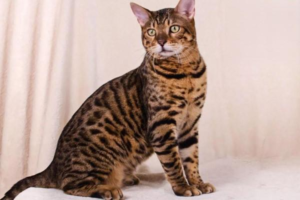
Treatment of Feline Hyperthyroidism
Treating feline hyperthyroidism may involve one or more of several approaches, starting with medication. This article covers methimazole, surgical thyroidectomy, radioactive iodine (I-131) therapy, and supportive follow-up care.

Symptoms and Diagnosis of Feline Hyperthyroidism
Hyperthyroidism is a very common disease in older cats and produces a range of symptoms. This article describes the clinical signs and the diagnostic tests, including T4, free T4 by equilibrium dialysis, chest X-rays, and technetium-99m scans, used to confirm it.

What to Know About Dog Boarding
Boarding your dog can be stressful for both of you. This article covers how to choose a safe, well-run kennel, the health and vaccination requirements boarding facilities expect, and what to bring so your dog stays comfortable while you are away.

What to Do When Your Dog Is Limping
Lameness — reduced weight-bearing or movement in a limb — can range from mild to severe, affect one or more legs, and come and go. Causes span trauma to chronic arthritis. Here is how the vet evaluates and treats it.

Diagnosing Lameness in Dogs
Sudden lameness is often easier to trace — a normal dog that suddenly limps clearly had something happen. But chronic or subtle lameness takes a careful workup. A detailed history and orthopedic exam point the vet to the right tests.

How to Prevent Cats from Fighting Each Other
Understanding the underlying cause of feline aggression and addressing it early is key. Cat aggression falls into five types—territorial, fear-based, pain-related, play, and redirected—and each responds to specific environmental changes. Spaying/neutering, pheromones, and enough resources also help.

How to Choose a Cat and Care for It Properly
Getting a cat means treating her as a family member and raising her kindly for a happy life. Before deciding which cat suits you, learn about cat types and costs to avoid abandonment caused by a poor match or unaffordable expenses.

How to Train Your Cat to Use the Litter Box
Cats may seem untrainable, but they respond to cues when there is a reward in it for them. Use food rewards paired with a sound to teach any behavior—including proper litter box use. Never punish inappropriate elimination; it raises stress and makes the problem worse.

Are Cats Really Smart?
Cats are certainly intelligent—they learn and adjust based on what they discover. Their brains are structurally similar to ours, with the same lobes, neurotransmitters, and five senses. Like us, they have short- and long-term memory, can be trained with food rewards, and may decline with age (Feline Cognitive Dysfunction).