Search Results
4113 results for “ear pH”

Hundred-pace Viper
The Hundred-pace Viper (Deinagkistrodon acutus) is a highly venomous pit viper from southeastern China and Taiwan, nocturnal and storied in Asian folklore. Extremely dangerous, it is not suitable for home keeping.

Beaked Cape Tortoise
The Beaked Cape Tortoise (Homopus areolatus), or parrot-beaked tortoise, is the world's smallest tortoise, a secretive rock-dweller endemic to South Africa's Cape. Delicate in captivity, it is best left to experts.

Nelson’s Milk Snake
Nelson's Milk Snake (Lampropeltis triangulum nelsoni) is a shy milk snake from central Mexico, famed for its striking red-black-white banding. It rarely bites, spraying musk when threatened, and is one of the world's most popular pet snakes.

Narrow-bridged Musk Turtle
The Narrow-bridged Musk Turtle (Claudius angustatus), nicknamed the king of the mud-and-musk turtles, is an expensive, fierce-tempered and highly entertaining aquatic turtle. It tolerates deep water but can still drown.
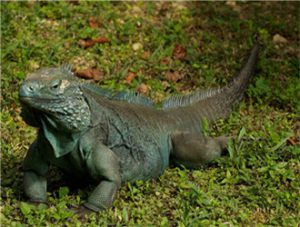
Grand Cayman Blue Iguana
The Grand Cayman Blue Iguana (Cyclura lewisi) is a critically endangered rock iguana endemic to Grand Cayman. A hardy, docile giant reaching 1.5 m and living 40–69 years in captivity, it needs strong UVB and a hot, dry enclosure.
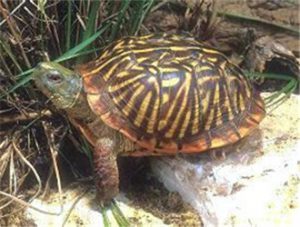
Western Box Turtle
The Western Box Turtle (Terrapene ornata) is a vividly patterned, arid-adapted box turtle of the North American grasslands. It takes about five years to mature, leans more toward insects than other box turtles, and unfortunately adapts poorly to captivity.

Burmese Mountain Tortoise
The Burmese Mountain Tortoise (Manouria emys) is one of Asia's largest tortoises, a shy forest dweller from western India to Vietnam and Sumatra. It loves warmth and humidity, shuns bright light, and is a committed herbivore that rarely accepts animal food.
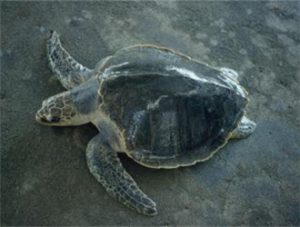
Olive Ridley Sea Turtle
The Olive Ridley (Lepidochelys olivacea) is the smallest and most abundant of the sea turtles, ranging across the warm Pacific from the Gulf of California to Chile and north to southern Japan. Once heavily taken for food, its numbers have fallen, and it is now a Class II protected species in China.
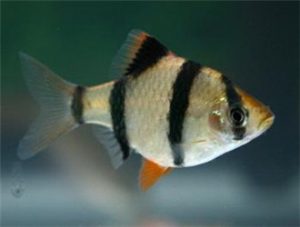
Tiger Barb (Puntigrus tetrazona)
The tiger barb (Puntigrus tetrazona), also called the four-banded barb, is a very common tropical fish native to Malaysia. Named for its tiger-stripe scales, it is lively, fast-swimming, and schooling—best kept in groups and not with slow, long-finned tankmates.

Blue Acara (Aequidens pulcher)
The blue acara (Aequidens pulcher) is gentle, but aggressive and territorial during breeding. It digs in the substrate; outside the breeding season it is calm and quiet and can be mixed with other ornamental fish.