Search Results
4113 results for “ear pH”
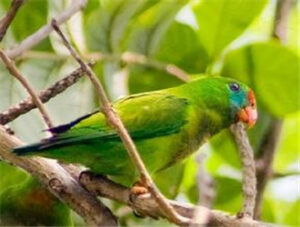
Philippine Hanging Parrot
The Philippine Hanging Parrot (also called the Philippine Short-tailed Parrot) is a typical climbing bird. Its plumage is mainly green with a red forehead, usually active in the canopy, and mainly distributed in the Philippines.
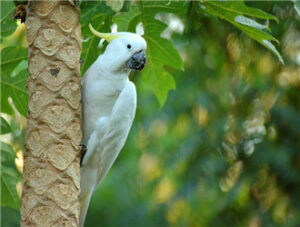
Sulphur-crested Cockatoo
The Sulphur-crested Cockatoo (Cacatua galerita) is beautiful in appearance, but those unfamiliar with it may not realize at first glance that it is a parrot. Its body color is very pale white, and most distinctively it has a yellow crest that fans up like a blooming sunflower when the bird is angry.

Arowana Lifespan and Why They Die Early
Wild arowana can live 30 years or more, but captive fish often die young at just 6 to 7 years because of weak breeding, over-emphasis on looks, poor water quality, and stress. Stable, well-filtered, slightly acidic water and a natural approach help them live longer.

Brazilian Turtle (Red-Eared Slider): Form and Habits
The Brazilian turtle (red-eared slider) is a freshwater turtle kept for food, health and looks. It is colorful with red and green head stripes and a red patch behind the eye, lively and fast for a turtle. It eats mostly animal food, prefers quiet clean water, is sexually dimorphic (males have longer thicker tails and a concave plastron), and is oviparous, mating May–August and laying 3–4 clutches a year.
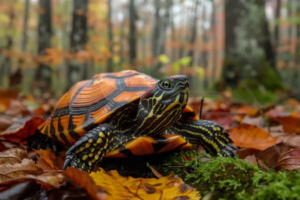
Common Illnesses of Red-Eared Sliders
Red-eared sliders face several common illnesses: white-eye disease (a white film from poor water), gastroenteritis (odd red-green stools), pneumonia (wheezing, head held high), skin rot, calcium deficiency (soft shell), shell rot, and colds. Most trace to water quality and temperature swings, and many respond to antibiotic soaks or ointments plus warmth and sunlight.
Preventing and Treating Rabbit Paratyphoid (Salmonellosis)
Rabbit paratyphoid (salmonellosis) is a zoonotic infection spread by contaminated feed and water, rodents, and flies; signs range from sudden death to diarrhea, wasting, and abortion in pregnant does. Control it by excluding vectors and vaccinating does, and treat with chloramphenicol, oxytetracycline, streptomycin, or sulfonamides.

Red Arowana: Morphology and Color-Enhancement Tips
The red arowana's most distinctive feature is the red patch on its gill cover; juveniles are silver with pink scale edges and turn golden-red as adults. Color develops in stages and responds to environment, temperature (26–30°C) and diet — astaxanthin and carotene help, while young chili-red arowanas should avoid color-enhancing foods until their green base deepens.
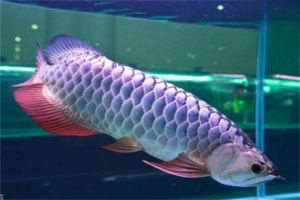
Silver Arowana: Morphology and Breeding Methods
The silver arowana is all silver, peaceful and easy to keep, but grows fast and can exceed 1 m, so it needs a spacious tank. It is a mouth-brooder: choose one healthy male (6–8 yrs, 50–60 cm) and one female (7–9 yrs, 40–50 cm), keep the tank absolutely quiet during spawning, and the male will carry 40–50 fertilized eggs in his mouth for about two months.

Golden Arowana: Morphology and Breeding Methods
The golden arowana comes mainly as the crossback and the red-tailed golden, which look alike when young but differ as they grow — the crossback's gold crosses the fifth scale row and shines brighter. Choose healthy, pure-line broodstock (one male and one female) and keep the tank completely quiet during spawning, since disturbance makes the male withhold sperm and the fish may eat the eggs.
What is the Caucasian Shepherd’s temperament?
The Caucasian Shepherd is usually brave, loyal, confident, and independent, but also picky, stubborn, and prone to aggression toward strangers. Very loyal and obedient to the owner, dislikes strangers. Early socialization is needed to adapt to people and environments. Energetic and needs enough exercise and stimulation, or it gets bored and destroys things or barks.