Search Results
4113 results for “ear pH”

Can Dogs Tell Their Owner’s Gender?
Dogs can tell a person's gender, but not by looks—they rely mainly on scent and voice. No matter how an owner's appearance changes, a dog still recognizes them by smell and sound. To a dog, people have no concept of 'beautiful' or 'plain'; looks simply don't matter. A dog's nose holds about 300 million scent receptors—some 60 times more than a human's—and a vomeronasal organ detects the hormones we give off, so a dog can even sense pregnancy, illness, or a menstrual cycle. What dogs care about is who treats them well, because that is what they remember and return.

What Are the Signs a Guinea Pig Is Unhappy?
Guinea pigs are sensitive little animals, and unhappiness shows up as reduced appetite, low activity, unusual silence, refusing contact, and frequent teeth grinding or cage chewing. Common causes include lack of social contact, an uncomfortable environment, too little exercise, unmet food or water needs, or underlying illness. If your guinea pig seems down, improve its surroundings, add social time, offer good food, and encourage activity. If that does not help, have a veterinarian check for pain or disease. Learning to read these signals is the key to keeping a guinea pig happy and healthy.

What Happens When Your Cat Gets Vaccinated
Kittens get maternal antibodies from milk, but those fade after weaning, so vaccines must stimulate the immune system to make its own. Without enough antibodies a cat catches viruses easily, so shots preventing panleukopenia, cat flu and calicivirus are essential. Start at two months if healthy; a newly adopted cat waits a week at home first. The first series is three shots about 28 days apart, plus rabies at three months, then yearly boosters. Before the shot, a health check and no baths; after, observe 15-20 minutes for allergic reaction, and a lump at the site is usually slow-absorbed adjuvant - warm compress helps.

Why Dogs Twitch and Jerk in Their Sleep
Dogs sleep a lot - puppies up to 22 hours, adults 10-18. Sleep has light and deep phases: in light sleep a dog lies with its head on its paws, one ear to the ground, easily startled; in deep sleep it relaxes, twitches its legs, flops on its back and may whimper. The famous 'playing dead' jerk is just a startle reflex - a light-sleeping dog checks the environment at any noise, while deep sleep is broken only by strangers or loud sounds, and waking it then earns its annoyance. Chronic stress from illness blocks restful sleep and causes behavior problems, and long-term sleep loss weakens immunity. Never prank a sleeping dog.

Common Cat Eyelid Diseases and How They Are Treated
Cats are relatively less prone to eyelid problems than some other pets, but when an eyelid condition does appear it can affect both eye health and overall comfort. The eyelid is built from four layers (conjunctiva, tarsus, muscle, and skin) and carries the glands that keep the tear film healthy. Knowing the common disorders and how they are managed helps you spot trouble early.
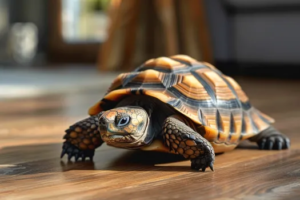
How to Care for a Hermann’s Tortoise as a Beginner
The Hermann's tortoise is a popular, beginner-friendly land tortoise, but new keepers still need to get the environment right. Aim for steady warmth—around 26–32°C by day, 18–21°C at night—using a thermostat to avoid swings, and keep humidity near 40–50%, adding moisture when the air is dry. Plenty of light matters: natural sun is best, while indoor setups need UVB and full-spectrum lamps to support appetite, digestion, and growth. Give the tortoise room to roam plus a hide for security, and wait three days after arrival before offering food so it can settle. A habitat that mimics nature is the foundation of good health.

How to Prevent Your Pet From Getting Lost
Lost pets face a harsh street - most stray animals die within a year, 30% from car accidents and 50% from hunger, injury and culling. Losses start with owner carelessness (a dog left tied to a cart, a door left open), sudden fright (horns, fireworks, other animals), or temptation (food and mating instinct). Prevent it: walk on a leash around home so the dog remembers the route, train a reliable recall with treats, socialize early to reduce fear of sounds, and consider a GPS collar or microchip as backup.

Summer Hazards for Cats
Summer is a rough season for cats. With poor sweating, they overheat fast - five minutes on hot asphalt, in a sealed space or on a sunny balcony can cause heatstroke: high temperature, fast pulse, panting, then dizziness, vomiting and coma. Move them to shade and cool with water or a fan, and rush to the vet if it does not ease. Warm weather also brings acute gastritis from spoiled food (limit water and feed easily digested fluids) and skin disease from fleas, mites and fungi - treat the cause and keep up prevention with cleaning and deworming.

How to Stop Your Dog From Peeing Everywhere
A dog treats the whole world as its toilet, but at home that is unacceptable - and scolding alone never works because the dog simply does not know. Inappropriate urination has many roots: territory marking (common in adult males), no house-training, revenge moved to the sofa after being yelled at, unclear home boundaries, attention-seeking, fear from abuse, post-neuter incontinence, or illness. The fix is patient positive training: indoor spot training, outdoor training, and never hitting the dog. Holding urine over eight hours harms the kidneys, so leash up and clean up on walks.

Why Is My Dog Suddenly Restless or Agitated?
A dog that suddenly becomes restless—unable to settle, chewing furniture, or barking nonstop—is a common problem with many possible causes. Physical issues such as pain, illness, or hormonal changes, environmental triggers like strangers, new smells, noise, or flashing lights, unmet needs such as lack of exercise or poor diet, and emotional troubles including separation anxiety, phobias, or depression can all spark agitation. Start by checking your dog's body for fever, rapid breathing, or other warning signs. If the dog is physically healthy, adjust diet and environment or seek veterinary advice. Understanding the cause is the first step to calming your companion.