Search Results
431 results for “ear inflammation”

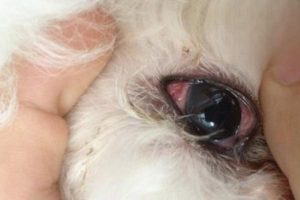
Why Do Dogs Get Red Eyes With Discharge?
Red eyes with discharge usually mean inflammation from exercise heat, a foreign object, infection, a fight, or a tear-duct problem. Most cases clear with saline rinses and vet drops, but a vet visit is wise for anything severe.
Are a Dog’s Red Eyes a Sign of Rabies?
Red eyes are rarely rabies; far more often they mean conjunctivitis, irritation, or injury. True rabies shows as fear of light, aggression, and paralysis, so vaccination, not panic, is the answer.

Can Dogs Get Fevers?
Dogs absolutely get fevers, from a chill or strep to pancreatitis, distemper, or parvo. Never just dose with fever pills; find the cause with a vet, since puppies often have an infection behind the fever.

Red Bump Above a Dog’s Eye
A red bump above the eye may be inflammation or a polyp, and only a vet can tell if surgery is needed. Drops treat conjunctivitis and related issues, while clean air and quick vet visits protect the eye.

What to Do When Your Cat Has Cat Flu
Cat flu (feline rhinotracheitis) is often mistaken for a cold but is a viral upper-respiratory infection that can kill if ignored, especially in kittens. Antiviral and lysine support plus a clean, low-dust environment are the main care steps.

Puppy Tracheitis and Bronchitis: Symptoms and Treatment
Dog tracheitis and bronchitis come from repeated viral or bacterial infection plus cold, smoke, and dust irritation, but with good home care and the right medication the recovery rate tops 95%. Watch for cough, fever, and breathing trouble.

How to Treat a Cat’s Fungal Skin Infection
Cats get fungal skin infections when their skin barrier is weak, from warm indoor air, play wounds, contact with infected cats, or low immunity. Treatment means clipping and medicating the spot, stopping licking, and boosting nutrition until it clears.

Can Canine Distemper Be Cured?
Canine distemper is a highly contagious viral disease with over 50% mortality, but caught early it is often treatable. Symptoms move from mild fever and diarrhea to severe eye and nerve damage, so any suspected case needs immediate veterinary care.

Why Is Your Dog Vomiting Green Fluid?
Green vomit is uncommon but serious. It can mean gastritis (with prior diarrhea and poor appetite), a heavy parasite infection (thick green fluid with eggs), or cholecystitis — for which there is no specific home drug and a vet is needed. Act fast; delay can be fatal.

Dog Suddenly Vomiting and Refusing Food: When to Go to the Vet
Sudden vomiting with lost appetite can be harmless — hairballs from self-grooming or simple gastritis — or serious, like parvovirus or distemper. Read the vomit: fresh undigested food means overeating or hard-to-digest food; partly digested, unclean food points to gut trouble. Frequent vomiting with no appetite needs a vet.