Search Results
430 results for “ear inflammation”
Dog Ear Odor: Could It Be Ear Inflammation?
A dog's L-shaped ear canal makes infection easy, and odor often signals otitis. Inflammation ranges from outer (otitis externa) to middle and inner ear; left untreated, outer infection can progress to the middle ear and even cause hearing loss, loss of balance, or meningitis. Prevention is straightforward: keep ears dry after baths, pluck ear hair in floppy long-haired breeds, and clean weekly with a pet ear solution, never alcohol or peroxide. Regular parasite control also helps, since mites trigger ear infections.
What Causes Dog Ear Inflammation?
Ear inflammation can come from poor cleaning, allergies, parasite infection, or low immunity. Too-frequent or rough cleaning damages skin; allergies or ear mites cause inflammation; weak resistance raises risk.
Early Signs of Cheek Pouch Inflammation in Hamsters
Cheek pouch inflammation in hamsters is usually caused by bacterial infection, poor nutrition, overeating, or a sharp object scratching the pouch, and it can cause appetite loss, bad breath, and lethargy. Left untreated it may become life-threatening. Early signs include reduced appetite, food stuck in the pouch, trouble drinking, and low spirits. Prompt care, gentle massage, diet adjustment, hygiene, and veterinary-guided antibiotics are the main treatments.

Cat Ear Mites vs Ear Wax: How to Tell and Treat
Ear mites and ear wax are different problems that look alike, so owners often mix them up and delay treatment. Ear mites are a parasitic infection causing intense itching, black or coffee-colored debris, and inner-ear inflammation. Normal ear wax is pale yellow or brown, scant, and does not itch. If mites are present, clean the ears with a flushing solution, apply a miticide, and treat the cat for external parasites. Use an Elizabethan collar during care, and isolate in multi-cat homes because mites spread easily.
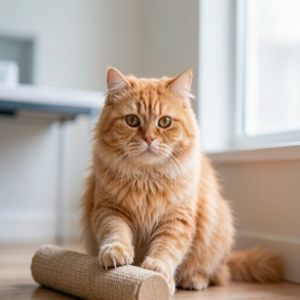
Why Does Your Persian Cat Keep Tearing Up
Persistent tearing in Persian (Exotic) cats can have several causes. Their short nasal passages and shallow eye sockets make mild tearing normal, but blocked tear ducts, structural gland issues, conjunctivitis, keratitis, injury, or foreign particles can all increase eye discharge. Diet also plays a role: salty food and low water intake lead to internal heat and heavy tear staining. If tearing continues or comes with redness, fever, poor appetite, vomiting, or diarrhea, see a veterinarian for diagnosis and treatment.
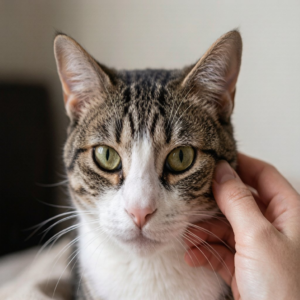
Cat Eye Swelling and Tearing: A Recovery Case
A cat with one swollen, tearing, discharging eye—but no sneezing or runny nose—most likely has a bacterial conjunctivitis rather than a viral one. Ingrown eyelashes or a foreign body can be the trigger. Oral amoxicillin plus antibiotic eye drops, an E-collar, and a dim, clean environment brought clear improvement in a few days. An ingrown lash, though, needs a vet to remove.
What to Do When Your Hamster Has Eye Inflammation
Hamster eye inflammation is usually conjunctivitis—redness, itching, and tearing, with sticky discharge in the corner of the eye and, in severe cases, poor appetite and low energy. It is treated with antibiotic eye drops containing lysozyme, oxytetracycline, or tylosin, used 2–5 times daily for 5–7 days after wiping away discharge with saline. Keep the cage clean and draft-free, clean the eyes daily, boost nutrition, and fit a cardboard e-collar if your hamster keeps scratching. If there's no improvement after a few days, see a vet.
Why Is My Cat’s Tooth Wear So Severe?
Heavy tooth wear in cats can be normal or a warning sign. There are two kinds: physiological wear from chewing, biting, and tooth-on-tooth contact—an unavoidable part of aging that does no harm—and pathological wear from poor bite alignment, bad chewing habits, or over-brushing that wears teeth unevenly or excessively. Causes include under-developed tooth structure, a hard-food or inappropriate-chewing habit, and age. When wear is fast or extreme, it may point to tartar or gingivitis, which need a vet. Protect your cat's mouth with a balanced diet (some dry and some wet food, but no constant hard chewing), regular oral checks, and proper brushing with cat-safe toothpaste and a suitable chew toy.
Is It Normal for a Cat’s Ears to Feel Hot?
A cat's normal body temperature runs a little higher than a human's, so ears that feel warm to the touch are usually normal. But ears hotter than usual can signal a problem—stress or anxiety, a respiratory infection, ear inflammation, or simply a warm room. To decide whether it's normal, look at the whole picture: lethargy, reduced activity, poor appetite, or red, smelly, discharging ears all call for a vet. A quick nose check and a thermometer (normal 38–39.5°C; above 40°C needs prompt care) will confirm a fever.
Why Your Dog Has Tear Staining and Eye Discharge
A healthy dog's eyes are bright with little or no tearing or crust. When discharge increases, it is time to check the eyes, and a careful owner may reach for eye drops. The causes run from simple irritation to structural and whole-body disease, so the pattern of the discharge matters.