Search Results
56 results for “dog walking”
What Are the Symptoms of Kidney Disease in Dogs?
Kidney disease comes in two forms, acute and chronic, and kidney tissue cannot regenerate. Once damage is done it is permanent, and signs appear only after two-thirds to three-quarters of kidney function is lost. Early warning signs include changes in urination, increased thirst, lethargy, poor appetite, and digestive upset. Late-stage failure brings severe, unmistakable symptoms. Recognizing these signs early gives your dog the best chance at management and comfort.
Everyday Dog Facts You Should Know
Useful norms: adult dogs run 37.5–38.5°C, puppies 38.5–39°C (low temp can be more dangerous than fever); adults have 42 teeth (28 baby by 2 months, full set by ~1 year—watch for 'double rows' needing vet help); adults sleep 10–15 hours, puppies ~20, in naps; front paws have 5 toes (including the vestigial dewclaw), rear have 4—trim dewclaw nails to avoid ingrowth; and dogs are red-green color-blind, seeing blue and yellow, judging traffic lights by brightness, not hue.
Preventing Autumn and Winter Dog Illnesses
Cold seasons bring risks. Keep warm—especially puppies and seniors—with a warmer bed, blanket, or heat lamp (watch electrical safety and distance); bathe at midday in sunlight, less often, warmer water. For weather-related colds (sneeze, runny nose, cough), use pet-specific cold medicine and warmth—never human drugs—and see a vet if it worsens. Keep walking for immunity; short-haired or weak dogs can wear coats and must be dried after rain. Diet may need more frequent small meals; keep probiotics ready for soft stool. Deworm year-round (fleas stay active), and expect the autumn coat shed (Sept–Oct).

What Are the Symptoms of Epilepsy in Dogs?
Epilepsy is a condition marked by repeated seizures that can range from brief, mild episodes to severe ones that last a long time and recur often. Because seizures take many forms and can be triggered by a wide range of underlying diseases, spotting the four key signs helps dog owners respond correctly. A seizure may be generalized, causing a dog to collapse and paddle with no awareness of its surroundings, or focal, affecting only one part of the body. Dogs often show subtle restlessness beforehand, and may seem confused and unsteady afterward. Many illnesses can cause seizures, so a vet must rule out each one. Most seizures are not immediately dangerous, but any episode lasting over five minutes needs emergency care.

Intervertebral Disc Disease in Dogs and Cats: Symptoms, Treatment, and Prevention
Intervertebral disc disease occurs when a degenerating disc bulges or ruptures and presses on the spinal cord, causing pain, numbness, and movement loss. It favors the thoracolumbar (about 85%) and cervical (about 15%) spine in small or chondrodystrophic dogs. Conservative rest and anti-inflammatories help mild cases; severe ones need decompressive surgery.

Manganese Metabolism Disorders in Dogs and Cats
Manganese metabolism disorders in dogs and cats are usually deficiency, causing bone deformity, joint swelling, lameness, and reproductive disturbance, with rare toxicity causing reduced fertility and local albinism. They are corrected by balancing dietary manganese.

Magnesium Metabolism Disorders in Dogs and Cats
Magnesium disorders in dogs and cats include deficiency, causing stunted growth, hyperexcitability, and convulsions, and excess, usually from over-supplementation, causing vomiting, diarrhea, and in cats urinary tract signs. They are managed by correcting dietary magnesium and treating the underlying cause.

Vitamin A Toxicity (Hypervitaminosis A) in Dogs and Cats
Vitamin A toxicity in dogs and cats follows prolonged over-supplementation with vitamin A or liver-heavy diets, suppressing bone-forming cells and causing periosteal bone spurs, pain, and lameness. It is reversed by stopping excess vitamin A and providing supportive joint care.
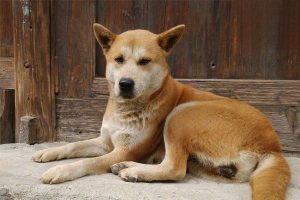
Ulnar Nerve Paralysis in Dogs and Cats
Ulnar nerve paralysis follows direct trauma or prolonged ischemia from lying on one side under anesthesia, causing difficulty walking, bent joints, and a dragged limb. Timely nerve care improves the outcome.
My dog’s hind legs are weak and unsteady after yesterday’s exercise
Sudden hind-leg weakness is often low calcium or a foot injury; check for wounds, otherwise supplement calcium under veterinary guidance.