Search Results
56 results for “dog walking”

Why Is My Dog Walking Weakly or Lacking Energy?
A dog that suddenly walks weakly or seems unable to move may be showing signs of an underlying problem. Common causes range from simple fatigue, hunger, thirst, low blood sugar, or calcium deficiency to musculoskeletal issues such as osteoporosis, fractures, sprains, or bone tumors. Other diseases—heart conditions, parasite infections, gastrointestinal disease, anemia, or viral infections—can also cause weakness. Because the cause can be minor or serious, have your dog examined by a veterinarian promptly; the vet can diagnose the issue accurately and recommend effective treatment, while proper diet, rest, and exercise help keep your dog healthy.
Summer Dog-Walking Survival Guide (With Heatstroke First Aid)
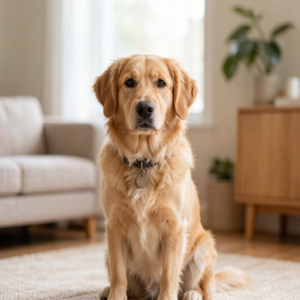
Dogs have almost no sweat glands and cool mainly by panting, so above 28 C their cooling efficiency drops below a fifth of ours, and asphalt can hit 57 C while a dog's belly, only 20-30 cm off the ground, breathes air 5-8 C hotter. That makes summer walks risky. Walk before 7 a.m. or after 8 p.m. in shaded parks or grass, carry a folding bottle and offer water every 15 minutes, and cap time by breed, short-nosed dogs under 15 minutes in shade, sport breeds rest 5 minutes per 10 of exercise, small dogs under 10 minutes several times a day. Heatstroke can reach organ failure in 30 minutes; early signs are heavy panting, dark purple tongue, thick drool, then staggering and vomiting above 40 C, and seizures or coma with up to 80% death if untreated. First aid: move to shade, wipe groin/armpits/neck with room-temp water, give small sips if awake, keep head low, and rush to a vet.
5 Common Mistakes to Avoid When Walking Your Dog
Walking is one of the simplest ways to keep a dog happy and healthy, but the wrong approach can do more harm than good. From erratic schedules to walking in extreme heat, a few common habits put unnecessary strain on your dog's body and safety. Here are five mistakes to leave behind.
Precautions for Walking Your Dog
Dogs need outdoor exercise, but it must be moderate. Three habits to avoid: walking right after a meal, making your dog jump obstacles, and using stairs as exercise. After exercise, clean the paws, and in summer offer water often to prevent heatstroke.

Why You Should Not Train a Dog to Walk Upright
A dog's body differs from a human's: its spine is more curved and lacks pelvic support, so standing and walking on the hind legs loads the lower back, spine, and rear legs with extra weight. This can cause patellar luxation, joint wear, arthritis, and cartilage damage, even spinal deformity, rear-leg deformity, or bowlegs. Severe spinal harm may lead to incontinence or paralysis, so do not train dogs to walk upright for fun.
Heat Alert: What to Do When Hot Pavement Burns Your Dog’s Paws
When it's over 30 C, asphalt can exceed 60 C, and dark surfaces can hit 70 C by early afternoon, so paw-pad burns are a top summer injury. A dog's pads sense heat with a delay and may keep walking despite pain, so the owner must judge safety: press the ground with your hand for 7 seconds, if it hurts you it burns them. Signs include limping, red swollen pads, blisters, constant licking, and yelping. First aid: move off the heat, rinse the pad with cool running water 15 minutes, flush with saline, dab with povidone-iodine (never alcohol), apply a pet burn ointment, loosely bandage, and use a cone. Severe cases with open wounds, bleeding, or black scabs need a vet. Walk before 7 a.m. or after 8 p.m. on grass.
Early Signs of Heatstroke in Dogs—and How to Prevent It
Dog heatstroke progresses through early warning signs, moderate fever, and severe shock, and the early stage is the easiest to miss—and the easiest to treat. Watch for constant open-mouth breathing with the tongue out and rapid shallow breaths, lethargy and slow responses, seeking shade and refusing to walk, thick stringy drool with a dry hot nose, and reddened, warm paw pads. Move the dog to a cool, airy spot and offer water in small amounts at the first sign; untreated, it can become critical within minutes. This article also covers which dogs are most at risk and practical prevention, from walking at dawn or dusk to never leaving a dog in a parked car.

Can a Paralyzed Dog Walk Again?
Paralysis in dogs has many causes, but in some cases a dog can regain the ability to stand with proper care. Follow your veterinarian's advice and give your dog patient, consistent nursing. Treatment and recovery time vary with the cause and severity, so persistence matters and giving up should not be an option. Support rehabilitation through gentle walks, limb massage, and other exercises your vet recommends to help your dog recover as fully as possible.

What Happens If a Dog Rarely Gets Sunlight?
A dog that rarely sees sunlight can develop health problems, including calcium deficiency that leads to poor bone growth, weak legs, unsteady walking, and even leg or spinal deformity. Lack of light also lowers skin resistance and makes skin disease more likely. Owners should let dogs sunbathe moderately, while avoiding too much exposure that could cause sunburn or heatstroke. This article explains the risks of too little sun, the real benefits of sunlight, and how to sun your dog safely.

Are Teacup Dogs Easy to Care For?
Teacup dogs win fans with their tiny, cute looks and gentle nature, but they're fragile and low-immunity, so they need careful, attentive care. They're sensitive to temperature, so dress them warmly in cold weather, and keep up daily grooming—eye-stain cleaning and coat brushing—to stay clean. Feed a high-quality diet sized to them in controlled amounts to avoid obesity. Though small, their health needs are real: regular vet checks, vaccinations, and deworming are essential. With patience and the right know-how, they bring plenty of joy.