Search Results
56 results for “dog walking”

How to Treat a Neck Sprain in Dogs
If your dog unfortunately suffers a neck sprain, get it to a veterinarian or emergency pet clinic right away. The vet will choose a treatment based on how severe the injury is, commonly using medication, physical therapy, or surgery. After treatment, the dog usually needs a rest period at home to recover fully, and you should follow the vet's advice for care. Neck sprains can happen from jumps, falls, sudden turns, or pulling too hard on a leash and tight collar. This article explains why sprains occur, the immediate steps to take, and the daily habits that help prevent them.
Don’t Ignore Joint Pain in Your Cat or Dog
Joint pain is not 'just old age.' From limping and hesitant jumps to morning stiffness and a short temper when touched, pets signal discomfort in quiet ways. Catching it early protects mobility and comfort. Learn the warning signs, why joints degrade, and the practical steps—weight, exercise, and veterinary care—that keep your companion moving.
Why Does Your Dog Bite Your Pant Legs? (And What It Means)
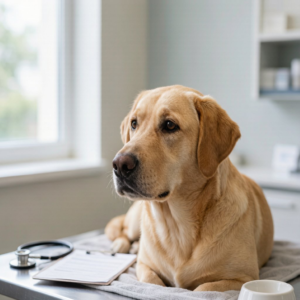
When a dog grabs and tugs at your pant leg, it is rarely out of spite. Most often the dog is trying to get your attention, invite you to play, or signal a need such as an empty food bowl. The swaying fabric can also trigger an inherited prey drive, since a moving pant leg looks like something to chase. In some cases—especially when you pick up keys or put on shoes—it signals separation anxiety: studies show a large share of dogs chew scent-bearing items to soothe themselves when they sense you are leaving. The fix is consistency: ignore the behavior, reward calm following, offer chew toys, and meet the dog's exercise needs. Understanding the motive behind the bite is the first step to changing it, and learning your dog's other body-language cues helps you bond.
Why Is My Dog So Sleepy in Summer?
Many dogs seem lazier and sleep far more once summer arrives. In most cases this is a normal response to heat—dogs cool themselves mainly by panting and through their paw pads, so they naturally slow down to avoid overheating. However, persistent lethargy paired with panting, a rising temperature, or appetite loss can signal heatstroke or illness. Keep your dog cool, hydrated, and walk them during cooler hours to stay safe.
Everyday Habits That Seriously Harm Your Dog’s Joints
Joint disease in dogs is on the rise, and beyond obesity many overlooked daily habits do real damage. Slippery floors force dogs to grip hard and risk falls; bad exercise — long runs, sharp stops, jumping from heights — wears joints down; frequent stairs overload the knees, especially in long-backed breeds like Corgis; standing on hind legs for attention strains the spine; and overfeeding accelerates cartilage loss, particularly in large breeds with hip-dysplasia risk. Cold, damp floors stiffen joints and worsen pain. Watch for early signs — stiffness after rest, reluctance to jump, hind-leg dragging, pain when touched — and support joints with glucosamine and chondroitin.
How to Train Your Dog to Run With You
Many owners like to bring the dog along on morning runs, and a well-trained dog will stay close without darting off or barking. The training works for large, medium, and small dogs alike and starts with a roughly one-meter leash fitted snugly but not tightly. Teach the dog your cue, then give a light leash tug to move together; tug back if it speeds up, and tug a bit firmer if it will not slow. Once walking together is smooth, switch to a slow jog with a longer leash, nudging pace with the lead. Reward and pat the dog the moment it completes the move, and repeat until the behavior is reliable.
Tips for Traveling With Your Dog
Traveling with a dog takes preparation, but a few habits make the trip calm and safe. Before leaving, tire the dog with exercise so it rests in the car. Once on the road, stop every three to four hours to stretch, relieve, water, and play; avoid a big meal at stops so it does not need to toilet right after. Never leave a dog in a hot car, running the air conditioner if you must, with a spare key and a contact note on the dash. At your destination, keep the usual feeding and walking routine to give the dog a sense of order and ease.
Hookworms in Dogs: Symptoms and Deworming
Hookworms are intestinal parasites named for their hook-like mouthparts, which anchor them to the gut wall. Only about an eighth of an inch long, they are hard to see, yet they drink large amounts of blood from tiny vessels and can inflame the gut, cause anemia, and threaten life, especially in puppies. Dogs catch them by mouth, through the skin, or from mother to pup via placenta and milk. Signs include pale gums, weakness, weight loss, and bloody diarrhea. Diagnosis is a fecal float, and treatment is regular deworming plus a repeat dose to kill newly matured worms.
Common Bone and Joint Diseases in Dogs
Poor care often deforms a dog's legs. Know the risks: hip and elbow dysplasia in retrievers and shepherds, osteochondrosis in large fast growers, femoral head issues in small breeds, and degenerative joint disease eased by weight control, gentle exercise, and glucosamine. Home setup matters too, slippery floors and stairs cause lasting damage.
How Many Times a Day Should You Walk Your Dog?
Dogs are social animals that need to explore the world, and outdoor activity benefits both body and mind while burning off energy that might otherwise go into destructive chewing. As long as you don't exhaust them with endless marching, more walks are better. Aim for at least twice a day, 30 minutes or more each.