Search Results
800 results for “dog stress”

What Rabbits Fear Most
Rabbits are timid and easily scared; avoid their fears to prevent stress. Here is what they fear.
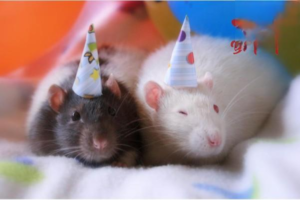
A Hamster’s Everyday Little Moods
Non-owners may find hamsters hard to read, unlike cats and dogs — but learning their moods enables real communication. Here are a hamster's everyday moods.

Common Body Diseases of Corgis
Corgi's short legs became a cute label, drawing many owners. But those traits also carry disease risk. Here are the body defects.

Does a Cat Need Walking?
Walking cats is uncommon - dog walking is far more usual - because cats barely need socializing. But some now walk cats, and stress cases happen. Here we discuss it.

What Is Feline Heartworm Disease?
The heartworm's intermediate host is blood-sucking insects and mosquitoes, so summer's mosquito season is when cats are most infected. Infected cats show many symptoms; owners must detect and treat promptly. Let's learn about it.

Do Golden Retrievers Like to Bark? How to Stop Excessive Barking
Golden Retrievers are gentle and rarely bark without reason, but individuals differ - some love to bark. This article explains why and how to train a Golden not to bark excessively.

Cat Vomiting and Diarrhea? Watch for Colitis
Colitis is a group of large-intestine diseases—acute, chronic, or ulcerative. It comes from parasites, bacteria, viruses, irritants, or primary causes. Treat vomiting/diarrhea with an antiemetic-antidiarrheal and probiotics, and prevent dehydration.

Is the Labrador Good at Swimming
Labradors are natural swimmers thanks to their water-resistant double coat and love of water. They can swim 1 to 2 hours; keep sessions to about twice a week, avoid a full stomach, and encourage them gently on the first swim.

Why Does a Parrot Fluff Up Its Feathers?
Fluffing isn't always illness — a parrot also fluffs when angry or tired, which is normal. Learn the common causes and symptoms to tell them apart.

Common Causes, Symptoms and Treatment of Pet Colds
Pets catch colds easily — usually from chills (season changes, baths, drafts, rain, cold floors) or low resistance. A plain cold can worsen into something serious, so treat it early. Never give human cold medicine (acetaminophen is toxic to dogs and cats); use pet-specific drugs. Learn the warning signs that separate a cold from pneumonia, rhinitis, feline herpesvirus (cat flu) or distemper.