Search Results
798 results for “dog stress”

Causes of Feline Phobias
Fear is a normal response to threatening stimuli, but when it becomes excessive and irrational it crosses into phobia. This article explains the possible triggers of feline phobias, how they develop through innate and learned pathways, the sensitive period of kitten socialization, and how to prevent fear from becoming a lifelong problem.
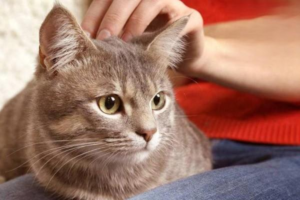
Cat Anatomy and Nutritional Requirements
A cat's body has nine notable parts (limbs, eyes, teeth, paw pads, nose, tongue, claws, whiskers, ears), and its diet needs core nutrients: protein, fat, carbohydrates, water, crude fiber, magnesium, calcium, phosphorus, and taurine. As obligate carnivores, cats need animal-source nutrition.

Common Respiratory Tract Diseases in Cats
Coughing, sneezing, or difficulty breathing are the classic signs of a respiratory problem. This overview covers the nose, throat, and trachea — and the conditions that affect each, including some that also occur in dogs.

How to Remove Cat Urine and Feces Odor
Pet odors—body smell, waste, and the litter box—are stubborn and cannot be masked by perfume. The fix is to clean and disinfect the source, use a pet-safe enzyme deodorizer rather than chlorine bleach or vinegar, and check whether inappropriate elimination points to illness or stress.

Are Cats Born Timid?
Cats are not born fearful — early experience and steady socialization shape how bold they become. With patience, even shy kittens and adult cats can learn to handle the vet, leashed outings, and strangers.

Canine Distemper (CDV): Symptoms, Treatment, and Prevention
Canine distemper is a highly contagious viral disease; early signs mimic a cold but can progress to conjunctivitis, breathing trouble, vomiting, diarrhea, and seizures. Puppies face 30–80% mortality. Treatment is long and veterinary-led; vaccination is the only reliable prevention.

Schnauzer With Bumps and Scabs on the Skin
Bumps and scabs on a Schnauzer's skin usually point to a parasite problem or a fungal or bacterial infection. Small affected areas can often be managed at home with gentle cleaning and a vet-recommended spray, but widespread or worsening lesions need a vet visit.

Cold Symptoms in Teddy Poodles: How to Tell
Teddy Poodles often catch colds without the usual sneezing or runny nose, so the clues are subtler — lethargy, lost appetite, heavier breathing, and mood swings. Feeling the nose and inner thigh for warmth is a quick way to confirm a fever before a vet visit.
- « Previous
- 1
- …
- 78
- 79
- 80