Search Results
798 results for “dog stress”

Safe Dog CoQ10: What the Research and Labels Tell You
CoQ10 appears in veterinary cardiac plans for mitral valve disease, dilated cardiomyopathy, and senior heart decline, and the research behind it is real — not a fad. A 2021 study found dogs with mitral valve disease in heart failure had significantly less heart-muscle CoQ10 than healthy dogs, and a 2022 randomized trial showed supplementation improved oxidative-stress and contraction markers with no adverse effects. The catch is that the benefit only appears when the product is safe, dog-appropriate, and correctly dosed. This guide explains how to read the label and the form.
Dog CoQ10 and the Mislabeling Trap: How to Pick a Real One
CoQ10 powers heart contraction, clears free radicals, and slows cardiac aging, so it is a staple for senior dogs and breeds prone to valve disease and enlargement. But without enough actual CoQ10 in the dose, you pay and gain nothing. This guide explains why dose is the bottom line, how brands obscure content, why human CoQ10 is dangerous for dogs, and the three checks that separate a real product from a placebo.

Dog CoQ10 Buyer’s Guide: What Actually Makes a Product Work
CoQ10 supports heart-muscle energy and acts as an antioxidant, but a dog only benefits if the supplement actually contains a real, absorbable dose. With products ranging from a few dollars to several hundred and quality all over the map, the smart move is to judge a product by its label and testing — not by marketing or country of origin. This guide explains how to tell a working formula from an empty one and which dogs are most likely to need it.

Dog CoQ10 Supplements: How to Avoid Empty ‘Placebo’ Products
Not every CoQ10 supplement for dogs actually contains what the label implies. Independent testing has found products that list CoQ10 vaguely, overstate the amount, or contain little that is detectable — so paying a premium does not guarantee a working product. The good news is that a few simple label checks let you tell a genuine, well-absorbed formula from an expensive placebo before you buy.

Dog Food Bloat: Symptoms and What to Do
Food bloat is a digestive backup where swallowed food cannot pass normally, causing vomiting, refusal to eat, and a swollen belly. It often follows fast or excessive eating, indigestible food, or swallowed objects. Mild cases may improve with pet probiotics, gentle abdominal massage, and rest. Severe bloat with pain or persistent vomiting needs urgent veterinary care, sometimes surgery. Preventing overeating and using slow-feeders is the best defense.
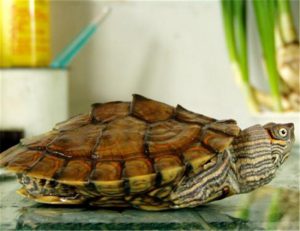
Graptemys pseudogeographica (False Map Turtle)
The false map turtle is a map turtle that is less commonly kept than sliders, needing clean water and a quiet environment. It is omnivorous but especially loves shrimp, and is distinguished by bright yellow markings behind the eyes.

Dog Panting After a Few Steps? Don’t Ignore Heart Trouble
A dog that pants heavily or struggles to breathe after only a short walk may be signaling heart disease rather than mere old age or extra weight. Key warning signs include a sudden drop in stamina, labored breathing at rest, blue-tinged gums, nighttime coughing, and lethargy. Early veterinary diagnosis and daily heart-care management can dramatically slow progression and extend your dog's life.

Eyelash Abnormalities in Dogs (Distichiasis, Ectopic Cilia): Symptoms, Treatment, and Care
Eyelash abnormalities in dogs—distichiasis, ectopic cilia, and trichiasis—occur when lashes grow in the wrong place or direction, irritating the cornea. Cats lack eyelashes, so this is a dog-only problem, often needing surgical correction.

Degenerative Arthritis in Dogs and Cats: Symptoms, Treatment, and Prevention
Degenerative arthritis (osteoarthritis) is non-suppurative wear of joint cartilage from years of uneven load, more common in older pets. It causes pain, stiffness, limited motion, and lameness that worsens with activity and cold weather. Weight control, controlled exercise, pain relief, and surgery in severe cases manage it.

Hypertrophic Osteopathy in Dogs and Cats: Symptoms, Treatment, and Prevention
Hypertrophic osteopathy (hypertrophic pulmonary osteopathy) is a secondary bone and joint disorder driven by underlying lung disease, marked by symmetric hard swelling of the distal limbs from periosteal proliferation and lameness. It is seen mainly in older dogs and improves only when the primary chest disease is treated.