Search Results
798 results for “dog stress”

What to Do If Your Dog Coughs or Retches After Deworming
Dogs rarely cough after a dewormer, but when it happens the tablet may be lodged in the throat, offer water to help swallow it. Coughing or retching can also stem from excitement rather than allergy, and a correct dose seldom harms the dog. Other common reactions include worms in the stool, vomiting, and diarrhea. Overdose or a sensitive gut causes vomiting and diarrhea; observe for 1-2 days, fast briefly, and use a pet probiotic, but seek a vet if it's severe. Unvaccinated dogs with these signs need viral testing.
Different Types of Vomiting in Dogs
Dog vomiting falls into three patterns. Single vomiting happens once and resolves, often from overeating or exercise right after eating, though stress-induced cases need monitoring. Persistent vomiting repeats frequently with bile, intestinal contents, or blood—pointing to acute gastroenteritis or blockage. Long-term intermittent vomiting recurs cyclically and suggests chronic gut issues, irritable bowel, or metabolic disease.
What happens when a dog is frightened?
A frightened dog typically shows nervousness, fear, mood swings, depression, and loss of appetite, and in severe cases may develop stress responses like vomiting and diarrhea. Immunity also drops after a scare, so comfort the dog, reduce environmental stimuli, and support its nutrition and immunity.
What happens if a dog eats raw meat?
Eating raw meat can expose a dog to bacteria and parasites, causing abdominal pain, vomiting, and diarrhea; pet probiotics and regular deworming help, and severe vomiting needs a vet. Too much raw meat also drives obesity and stresses the liver and pancreas, so a kibble-based diet with occasional boiled chicken, egg yolk, and chews is safer.

Why Does Your Dog Keep Passing Smelly Gas?
A few farts a day are normal—gut bacteria make gas as they ferment food. But frequent, foul gas points to diet, fast eating that swallows air, an unbalanced gut flora, or illness like IBD, pancreatic trouble, or parasites. Fix it with a quality low-filler diet, a slow-feeder bowl, daily exercise, belly massage, and pet probiotics. If gas comes with diarrhea, vomiting, or weight loss, see a vet.

Can You Bathe Your Dog in Winter? Yes—With These 3 Points
Winter bathing isn't forbidden—it's about method. Bathe too often or not at all both cause problems, and human products harm a dog's skin. Choose the warmest midday hour, preheat the room to 25–28°C, keep the whole wash to 10–15 minutes at 38–40°C water, then dry thoroughly. Rest indoors an hour or two before going out, and a warm, clean coat keeps your dog healthy and close to you.
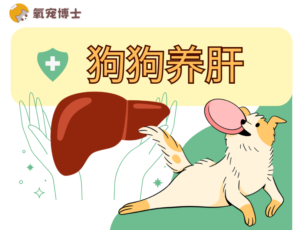
Foods That Support Your Dog’s Liver
The liver filters toxins, stores nutrients, and makes bile, yet it stays silent until heavily damaged—so daily support matters. Quality protein, cruciferous vegetables, and berries aid detoxification, while milk thistle, dandelion root, and omega-3s protect cells. Just as vital is what to skip: fatty foods, toxic items like chocolate, onion, and grapes, and human medicines that strain or poison the liver. Keep water flowing and weight healthy.
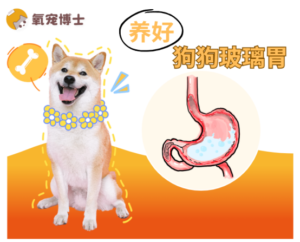
How to Care for a Dog with a Sensitive Stomach
A weak gut hurts more than digestion—it drags down nutrient uptake and immunity. Causes range from sudden diet changes and parasites to infection, chronic gut disease, and stress. The fix is a gentle, single-source diet on a fixed schedule, a careful transition to new food, light toppers like pumpkin or boiled chicken, and pet probiotics. Keep the belly warm and add gentle exercise; see a vet for persistent vomiting, blood, or lethargy.

Why Is Your Calm Dog Suddenly Barking So Much?
A dog that suddenly won't stop barking is communicating something. The cause may be physical pain, psychological stress like separation anxiety, or unmet needs for food, attention, or exercise. Rule out illness first—limping, vomiting, or appetite loss mean a vet visit—then ease anxiety with gradual alone-time training, a quiet safe corner, and reward-based calm. Patience beats punishment, which only makes it worse.

How to Ease Acid Reflux in Dogs
If your dog dry-heaves after meals or brings up white foam or yellow fluid with foul breath, it may not be simple stomach upset—it could be acid reflux, or GERD. The stomach's lower valve relaxes and lets acid creep up the esophagus, which can inflame and even ulcerate over time. Diet changes, vet-guided medication, and a few lifestyle tweaks usually bring real relief.