Search Results
798 results for “dog stress”

Is Dog Regurgitation Normal?
Regurgitation—when a dog brings food back up shortly after eating and re-chews it—is usually a normal part of digestion, especially in dogs that eat too quickly. It helps break food down and improves nutrient absorption. However, frequent regurgitation can also signal indigestion, a diet too greasy or low in fiber, or stress and anxiety. In most cases there is no need to worry, but if regurgitation is accompanied by vomiting, loss of appetite, or happens repeatedly, it may point to a digestive problem that needs a vet's attention. Adjusting feeding habits and food quality is the best prevention.

Will Changing Dog Food Hurt the Gut?
Why switch? Nutrition balance - eating one food forever risks deficiency; safety - some feeds use questionable 4D sources, unneeded flavor additives and heavy preservatives linked to chronic disease; and appetite - same taste daily breeds boredom (imagine burgers forever). Does switching hurt? A single-food gut makes narrow enzymes, so a sudden swap causes soft stool or diarrhea. The 7-day method fixes it: raise the new-food ratio daily until day seven is all new, avoiding digestive stress. Switch about every three months, or anytime if no reaction; mixing two foods for broader nutrition is fine. Picky eating comes not from switching but from rewarding refused food with tastier food - the dog learns refusal pays off.

Why Dogs Get Diarrhea and What to Do
Most dog diarrhea comes from feeding mistakes, not a fragile gut. Overfeeding (dogs eat to bursting - feed set amounts, about 80% full), eating too fast (use a slow bowl; short-necked breeds that cough should be checked), post-meal running (walk gently after 30 minutes), and irregular meals (split into 2-3 feeds) all trigger it. Food issues: the wrong main kibble, a gut that prefers meat, or lacking fiber from a little veg. Stress - bad food transitions, frights, new places, vet visits - also causes it; switch gradually to a similar formula. What to feed: probiotics for transition/stress diarrhea, digestion tablets for overeating, B vitamins for gut health. Stop hard-to-digest food, fast one day if severe (keep water), and never soy or corn. Black stool = upper bleed, red = lower bleed, rice-like particles = worms - bring a sample to the vet.

Why Is Your Dog Having Diarrhea
A healthy dog passes formed stool three to four times a day. More frequent, soft, watery, mucus-laced, or bloody stool is diarrhea, a sign of illness rather than a normal variation. Clinically it is split into acute (sudden) and chronic (long-lasting) forms, each with its own common causes.

Why Is Your Dog Having Trouble Breathing
Difficulty breathing means changes in a dog's breathing rate, depth, and rhythm, often with the chest muscles working overtime to compensate. It is a common and serious sign of respiratory or other system disease. The causes fall into a few mechanistic types, and a sudden breathing struggle is always an emergency.
What Every New Dog Owner Should Know
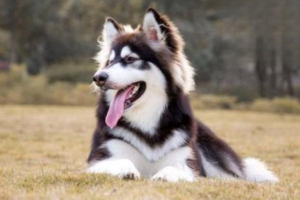
Bringing a puppy home is exciting, but a few common mistakes can make a dog sick or afraid. The first weeks are about helping the dog settle in safely: hold off on baths and rich foods, keep it on a leash, and don't rush parasite treatment. With the right supplies and a calm start, new owners set their dog up for a healthy life.

Why Does My Dog Lick Me?
Dogs lick people for many reasons—affection, hunger, joy, anxiety, or simple habit. As puppies, their mother licks them clean, so licking becomes linked with closeness and love, and a dog may lick you to say 'I like you.' It also gathers information, seeks attention, or appeases you after misbehaving. When stress or anxiety drives constant licking, it can signal discomfort. If you dislike the behavior, train gently without hurting the bond; if licking is excessive, check for underlying worry or illness. Reading the context tells you what your dog is really saying.

Why Dogs Twitch and Jerk in Their Sleep
Dogs sleep a lot - puppies up to 22 hours, adults 10-18. Sleep has light and deep phases: in light sleep a dog lies with its head on its paws, one ear to the ground, easily startled; in deep sleep it relaxes, twitches its legs, flops on its back and may whimper. The famous 'playing dead' jerk is just a startle reflex - a light-sleeping dog checks the environment at any noise, while deep sleep is broken only by strangers or loud sounds, and waking it then earns its annoyance. Chronic stress from illness blocks restful sleep and causes behavior problems, and long-term sleep loss weakens immunity. Never prank a sleeping dog.

5 Common Mistakes to Avoid When Walking Your Dog
Walking is one of the simplest ways to keep a dog happy and healthy, but the wrong approach can do more harm than good. From erratic schedules to walking in extreme heat, a few common habits put unnecessary strain on your dog's body and safety. Here are five mistakes to leave behind.
Why Dogs Need Vaccinations
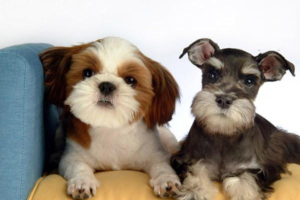
Puppies are vaccinated around two months, after the vet checks temperature and recent health to be sure the body can handle the stress. Mild reactions are normal: some diarrhea, vomiting or low spirits for a day or two - keep water available, do not force food, and add probiotics. Serious signs like itchy skin, facial swelling or red eyes mean allergy and need an anti-allergy shot, so observe at the clinic before leaving. High fever, blood in urine or seizures may mean the dog was already unwell; see a vet at once. Keep the dog warm, calm and away from others, and follow the schedule - first shots about a month apart, then yearly.