Search Results
798 results for “dog stress”
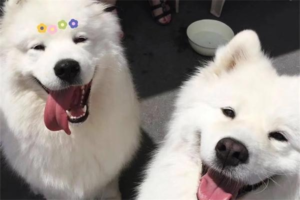
Can Dogs Eat Ice Cream?
Dogs can technically eat a tiny bit of plain ice cream, but it's rarely a good idea. Most adult dogs are lactose intolerant, so the milk sugar ferments in the gut and causes diarrhea and vomiting; the cold shock also cramps the stomach. Ice cream is also high in sugar and fat, and any variety containing xylitol, chocolate, cocoa, or grapes is toxic. If your dog loves frozen treats, offer a homemade mix of unsweetened yogurt with pumpkin or banana, or a pet-store dog ice cream—in strict moderation, once or twice a week at most.
Don’t Ignore Joint Pain in Your Cat or Dog
Joint pain is not 'just old age.' From limping and hesitant jumps to morning stiffness and a short temper when touched, pets signal discomfort in quiet ways. Catching it early protects mobility and comfort. Learn the warning signs, why joints degrade, and the practical steps—weight, exercise, and veterinary care—that keep your companion moving.

Why Does My Dog Pant Heavily at Night?
Brief panting after exercise, fever, excitement, or stress is normal, but frequent nighttime panting deserves attention. Common causes include respiratory disease (tracheitis, bronchitis, pneumonia, asthma), heart disease in obese or older dogs (hypertrophic cardiomyopathy, myocarditis, heart failure), obesity pressing on the airways, poor sleep posture, and anxiety or bad dreams. If panting is frequent or comes with lethargy, low appetite, exercise intolerance, or coughing, see a vet. Keep the dog slim, the home clean and calm, and manage any weight issue.

Why Can’t My Dog Fall Asleep?
A dog that can't sleep is usually dealing with physical discomfort, emotions, or habits. Pain or unease—made worse by a room that is too hot or cold, noisy, or with a poor bed—keeps a dog awake, so give a comfy, quiet spot and a soft pad. Anxiety, stress, or fear also block sleep; calm and reassure a tense dog, keep its environment free of frights, and add play and exercise to burn off stress. Habits matter too: a heavy late dinner causes night waking, so feed a moderate evening meal and keep a regular bedtime to set its internal clock. If sleeplessness is frequent, see a vet to rule out pain, breathing trouble, or frequent urination.
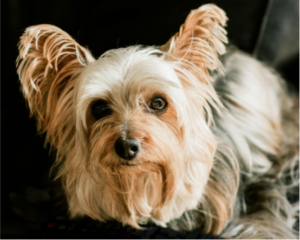
Can Dogs Get Annoyed With Their Owners?
Dogs can grow weary of their owners, but it is less 'annoyance' and more that the owner's interaction style has become a source of stress. Endless hugging, kissing, or disturbing a dog's rest can raise its cortisol level by 27%–42%, leading to refusal to interact, ignored commands, sudden warmth toward strangers, or even furniture-chewing as a silent protest. The remedy is healthy boundaries: learn the dog's 'emotional threshold' signals—yawns, nose licks, a turned back, avoided eye contact—then stop and give it space, keep a predictable routine, and spend quality time outdoors together.

What Happens When You Give Your Dog Away Midway Through Its Life?
Rehoming a dog partway through its life is more common than people admit, yet few realize how deep the psychological wound can be. Most dogs show stress responses such as refusing food, over-grooming, or night barking, and loyal breeds may stop eating even during short boarding. Over time, the trauma can make a dog timid, reluctant to bond with the new owner, or even aggressive and resource-guarding. Some try to escape and find their original home, ending up stray. If rehoming is truly unavoidable, do it early, ease the transition with scent and gradual introductions, and remember that many situations—pregnancy, a busy schedule, a move—have kinder alternatives than giving the dog away.

Dog Panting After a Short Walk? Watch for Heart Trouble
Panting after a brief walk is not always harmless—it can be a dog's heart crying for help. Heat, obesity, and flat-faced breeds pant normally and recover within minutes, but sudden breathlessness at rest, coughing at night, bluish gums, or constant fatigue warrant prompt cardiac screening. Early diagnosis and steady daily care can dramatically slow heart disease.

What Are the Benefits of Sunbathing for Dogs?
Letting a dog bask in the sun in moderation is a simple way to boost its health and happiness. Sunlight helps the body make vitamin D, which drives calcium absorption and strong bones. It also acts like a natural antidepressant—easing stress, anxiety, and low mood while improving circulation and brain function. UV rays stimulate immune cells so the dog resists infections better, and mild exposure can calm skin inflammation, speed wound healing, and keep the coat shiny by reducing surface bacteria and parasites. The catch is moderation: too much sun, especially at midday, risks dehydration, heatstroke, and even skin cancer. Always offer shade and fresh water, and keep sessions short.

Why Does Your Dog Bite Your Pant Legs? (And What It Means)
When a dog grabs and tugs at your pant leg, it is rarely out of spite. Most often the dog is trying to get your attention, invite you to play, or signal a need such as an empty food bowl. The swaying fabric can also trigger an inherited prey drive, since a moving pant leg looks like something to chase. In some cases—especially when you pick up keys or put on shoes—it signals separation anxiety: studies show a large share of dogs chew scent-bearing items to soothe themselves when they sense you are leaving. The fix is consistency: ignore the behavior, reward calm following, offer chew toys, and meet the dog's exercise needs. Understanding the motive behind the bite is the first step to changing it, and learning your dog's other body-language cues helps you bond.
How to Care for a Dog with Pancreatitis
Pancreatitis is a high-risk digestive emergency, especially common in overweight middle-aged and senior dogs, and it often returns even after recovery — so proper home care matters as much as treatment. During a flare-up, withhold food and water immediately and see a vet; never self-medicate. After discharge, feed a prescription diet under 10% fat (regular food is 15–20%+), split into 4–6 small meals, and strictly avoid all high-fat foods such as fatty meat, organ meats, fried food, and rich treats. Keep your dog warm to protect the abdomen, allow only gentle short walks, follow the medication plan exactly, and return for regular pancreatic checks. Controlling weight is the best prevention — obese dogs are over three times more likely to develop pancreatitis.