Search Results
798 results for “dog stress”
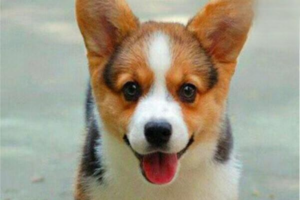
What to Do When Your Dog’s Nose Is Blocked and Stuffy?
Like people, dogs can catch colds and fevers and have stuffy noses. Seeing a dog with a blocked, congested nose and difficult breathing is distressing. This article explains the causes of nasal congestion in dogs and how to relieve it.

Why Does Your Dog Keep Hiccupping—Eating Too Much?
Dog hiccups are diaphragm spasms from swallowed air, gassy food, stress, fast eating, or poor digestion. Soothe with warm water and calm; nonstop hiccups with vomiting may mean gastric torsion—see a vet.
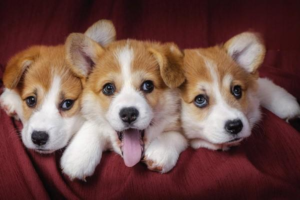
Dog and Cat Whelping Guide: Prenatal, Labor, and Postpartum Care
Whelping carries normal risk from mating to birth. This guide covers the best breeding age, pregnancy signs, nest setup, labor signs and difficult-birth warnings, and postpartum nursing and feeding.

How Long for Dog Shampoo in Eyes to Heal?
Bath time is a battle for water-shy dogs, and shampoo in the eyes is common. This article explains how to handle it and how long recovery takes.

Understanding Dog Heart Disease
Dog heart disease mostly appears in old age — most dogs over eight, especially small breeds, have some heart issue. This article explains how to spot it and how to prevent it.

Why Does Your Dog Keep Barking?
Dogs bark to seek attention when bored, to express fear or anxiety, or to alert you to something new. Scolding makes it worse—build confidence, reward quiet, and meet its social needs. Respond to excited barking and it settles.
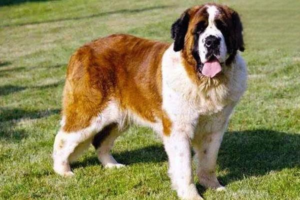
Why Do Dogs Lunge on the Leash?
Many owners have experienced a dog that bolts and pulls so hard on the walk that it is unclear who is walking whom. This article explains what leash lunging is, why dogs do it, and how to correct the behavior safely.
Why Does a Dog Urinate a Lot and Often?
Excessive, frequent urination can come from higher water intake or hormone shifts, or from urinary disease and diabetes. This guide covers the common causes — drinking habits, urinary disease, diabetes, and endocrine disorder — and how to respond.

The Special Functions of a Dog’s Nose
A dog's nose does far more than smell: it works like a GPS for navigation, a living thermometer for testing food temperature, and a unique fingerprint via its nose print. It also drives appetite and greets other dogs, so protect this sensitive sense from strong artificial scents.

Can You Still Walk a Dog with Arthritis?
Light walking is good for a dog with arthritis: it relaxes the joints, supports a healthy weight, and preserves muscle. The key is to walk slowly, keep outings short and close to home, use a supportive harness, and stop if the dog resists. Swimming is another low-impact option worth trying.