Search Results
1544 results for “dog rest”
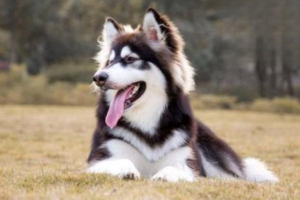
What Every New Dog Owner Should Know
Bringing a puppy home is exciting, but a few common mistakes can make a dog sick or afraid. The first weeks are about helping the dog settle in safely: hold off on baths and rich foods, keep it on a leash, and don't rush parasite treatment. With the right supplies and a calm start, new owners set their dog up for a healthy life.

How to Care for Your Dog in Summer
Summer heat means preventing heatstroke, but some popular 'cooling' tricks backfire. Shaving a dog's coat or bathing it too often raises the risk of skin disease—the coat actually shields skin from sun and bites. Instead, cool the indoor space, use a cooling mat, trim only the paw fur to aid heat loss, walk at dawn or dusk with water on hand, and shift to lighter meals in small portions. Keep the air flowing, set the AC no lower than 26°C, and clear leftovers before they spoil. Smart, gentle cooling helps your dog sail through the hottest months.

Can Dogs Tell Their Owner’s Gender?
Dogs can tell a person's gender, but not by looks—they rely mainly on scent and voice. No matter how an owner's appearance changes, a dog still recognizes them by smell and sound. To a dog, people have no concept of 'beautiful' or 'plain'; looks simply don't matter. A dog's nose holds about 300 million scent receptors—some 60 times more than a human's—and a vomeronasal organ detects the hormones we give off, so a dog can even sense pregnancy, illness, or a menstrual cycle. What dogs care about is who treats them well, because that is what they remember and return.

How to Train a Well-Rounded Dog
Training curbs a pet's natural scatterbrained ways, turning spontaneous behavior into good obedience through gradual tasks. First understand the dog - its breed, size, temperament and purpose - and match your time, budget and space while limiting nuisance to neighbors. The core is the conditioned reflex: use the dog's natural responses to food, novelty and threat, with consistent commands and gestures, rewarding and reinforcing daily in short sessions (never too much). The only shortcut is practice, patience, consistency and rewards - and exercising together works too.

How to Train Your Dog to Catch a Frisbee
Few tricks impress like a dog leaping to catch a flying disc, but the skill is built step by step, not born overnight. The foundation is simple: make the disc exciting, teach a reliable bite-and-drop, and let the dog ride your body as a launch pad before expecting big air. With patience and short sessions, most dogs get there.

Why Dogs Twitch and Jerk in Their Sleep
Dogs sleep a lot - puppies up to 22 hours, adults 10-18. Sleep has light and deep phases: in light sleep a dog lies with its head on its paws, one ear to the ground, easily startled; in deep sleep it relaxes, twitches its legs, flops on its back and may whimper. The famous 'playing dead' jerk is just a startle reflex - a light-sleeping dog checks the environment at any noise, while deep sleep is broken only by strangers or loud sounds, and waking it then earns its annoyance. Chronic stress from illness blocks restful sleep and causes behavior problems, and long-term sleep loss weakens immunity. Never prank a sleeping dog.
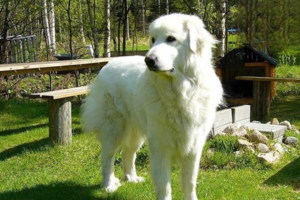
Free-Roam vs Crate: How to Raise Your Dog
Free-roam and crate raising each have pros and cons. Free-roam gives freedom, better socialization and fitness, but untrained dogs ignore commands, scavenge harmful food and may wreck furniture - and face the risk of being taken. A crate is a safe den that limits destruction and eases training and guest safety, but long-term caging can cause bone issues in growing pups and shy, poorly socialized adults. The right choice depends on your time and situation; many owners blend both, and neither is wrong.
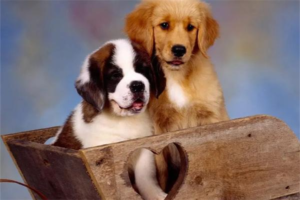
What Breeds Are Used as Guide Dogs?
Selecting a guide dog is a strict process—not every dog qualifies. A good candidate must be calm, highly trainable, neither timid nor hyperactive, and gentle, able to focus without being easily distracted. The most common guide dog breeds are the Labrador Retriever, Golden Retriever, German Shepherd, and Poodle, all known for steady temperaments, loyalty, obedience, and high intelligence. After specialized training they become the eyes and faithful helpers of people who are blind. Guide dogs earn deep respect for the independence they give their handlers; because a guide dog gives its handler dignity and freedom, protecting that partnership is a shared responsibility we should all honor.
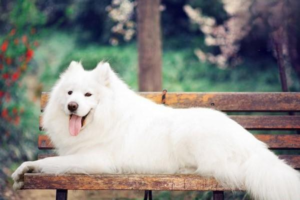
Why Does Your Dog Love Hiding Under the Bed?
Many dogs ignore their own bed or crate and slip under the bed instead. This is usually normal behavior rooted in instinct, but sometimes it signals fear or illness. Dogs naturally like narrow, dark spaces, and the bed fits that preference. They may also use the gap as a 'secret base' to stash toys and treats. Loud noises like thunder or fireworks send them hiding, and a new dog lacking security will retreat there too. Most importantly, a suddenly hiding dog may be sick or in pain and trying to be alone - watch for that.

Tips for Traveling With Your Dog
Traveling with a dog takes preparation, but a few habits make the trip calm and safe. Before leaving, tire the dog with exercise so it rests in the car. Once on the road, stop every three to four hours to stretch, relieve, water, and play; avoid a big meal at stops so it does not need to toilet right after. Never leave a dog in a hot car, running the air conditioner if you must, with a spare key and a contact note on the dash. At your destination, keep the usual feeding and walking routine to give the dog a sense of order and ease.