Search Results
1544 results for “dog rest”

Why Is Your Dog Drooling So Much?
A dog that drools a lot is not always just greedy. Drooling has many causes, and often it is a signal of illness worth noting. It may be dental problems or teething, a throat obstruction or injury, fear and anxiety, overheating, old age, or even car sickness. Most drooling is normal behavior, but if disease is suspected, see a vet.

Symptoms and Treatment of Gastroenteritis in Dogs
Gastroenteritis is the general name for acute or chronic inflammation of the stomach and intestinal lining. Because dogs and cats are meat eaters, the causes are many, from bacteria, viruses, and parasites to drugs and bad food, so diagnosis must be precise. Most cases show on-and-off vomiting and diarrhea, with foam or yellow bile in the vomit. A vet should treat it early, with care centered on fasting, fluids, nutrition, and stopping the vomiting and diarrhea.

Common Bone and Joint Diseases in Dogs
Poor care often deforms a dog's legs. Know the risks: hip and elbow dysplasia in retrievers and shepherds, osteochondrosis in large fast growers, femoral head issues in small breeds, and degenerative joint disease eased by weight control, gentle exercise, and glucosamine. Home setup matters too, slippery floors and stairs cause lasting damage.

Reading Your Dog’s 8 Common Behaviors
Dogs 'speak' through action. Chewing furniture may mean separation anxiety; yawning signals stress relief; bringing you an item asks to play or says 'I love you'; sitting on your lap claims you; sleeping on your bed protects you; a calm gaze is fine but a restless one needs care; a raised paw seeks attention or checks for injury; leaning on you shows trust.

How to Teach a Dog to Recognize Its Name
The first task after a dog arrives is choosing a name, but at first it doesn't know you're calling it. How do you teach that? Building a close bond and using the name at the right moments, with the right tone, helps a dog learn its name quickly and happily.

What Are the Symptoms of Kidney Disease in Dogs?
Kidney disease comes in two forms, acute and chronic, and kidney tissue cannot regenerate. Once damage is done it is permanent, and signs appear only after two-thirds to three-quarters of kidney function is lost. Early warning signs include changes in urination, increased thirst, lethargy, poor appetite, and digestive upset. Late-stage failure brings severe, unmistakable symptoms. Recognizing these signs early gives your dog the best chance at management and comfort.

Can You Keep a Dog While Living Alone?
For a nine-to-five worker, the biggest worry is whether you can manage feeding and care, and what a dog does alone all day. The key issue is keeping up with three to four meals a day while a puppy is young; solve that and the rest falls into place. A dog also brings real security and warmth to a solo household.
Everyday Dog Facts You Should Know
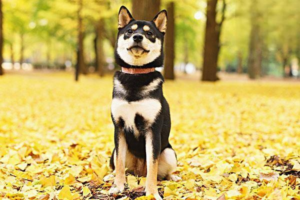
Useful norms: adult dogs run 37.5–38.5°C, puppies 38.5–39°C (low temp can be more dangerous than fever); adults have 42 teeth (28 baby by 2 months, full set by ~1 year—watch for 'double rows' needing vet help); adults sleep 10–15 hours, puppies ~20, in naps; front paws have 5 toes (including the vestigial dewclaw), rear have 4—trim dewclaw nails to avoid ingrowth; and dogs are red-green color-blind, seeing blue and yellow, judging traffic lights by brightness, not hue.

Why Can a Dog’s Tongue Stick Out So Far?
The tongue drinks, cools, and signals health. Dogs lap by curling the tongue into a scoop. Their tongue muscles are more elastic than ours, so it flops out easily. For cooling, dogs sweat only from paw pads; they pant with the tongue out, evaporating saliva to shed heat—still weak against summer, so avoid heat. Tongue color hints at health: normal is pink/red; bright red at rest suggests inflammation; a normally pink tongue that turns purple after exercise points to the heart (or heatstroke/poisoning)—see a vet.
How Climate Change Affects Dogs
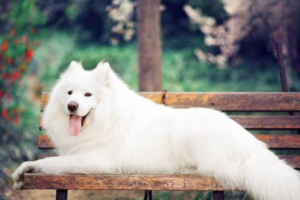
Autumn is the most comfortable season, loved by people and dogs alike. Notice that whenever weather changes, a dog's mood shifts noticeably. Heat: most dogs grow listless in hot seasons, preferring the AC; short-nosed breeds lose many companions each summer, and double-coated dogs struggle (owners go mad from shedding)—they need regular brushing for airflow. Cold: dogs turn lazy in severe cold, especially short-haired and lean breeds lacking insulation; long-haired and double-coated dogs thrive. Low pressure: dogs sense weather via air pressure and can foresee storms; the AVMA found pressure changes strongly affect behavior—restlessness, even aggression, or unusual excitement before storms. This doesn't permanently change behavior, but comfort an intense reactor. Do dogs get depressed? A UK vet charity survey found 40% of UK dogs show winter mood drops, suspected of Seasonal Affective Disorder (SAD); affected dogs sleep more and move less, and sunny outdoor time (as in human SAD treatment) eased symptoms—because winter SAD comes from extra melatonin, the sleep hormone, which sunlight stops the pineal gland from releasing.