Search Results
1544 results for “dog rest”

Is Dog Regurgitation Normal?
Regurgitation—when a dog brings food back up shortly after eating and re-chews it—is usually a normal part of digestion, especially in dogs that eat too quickly. It helps break food down and improves nutrient absorption. However, frequent regurgitation can also signal indigestion, a diet too greasy or low in fiber, or stress and anxiety. In most cases there is no need to worry, but if regurgitation is accompanied by vomiting, loss of appetite, or happens repeatedly, it may point to a digestive problem that needs a vet's attention. Adjusting feeding habits and food quality is the best prevention.

Why an Older Dog’s Hind Legs Suddenly Go Lame
When a senior dog's hind legs suddenly go lame, watch closely and review whether your daily care is sound - it can come from age-related calcium loss (osteoporosis) or joint trouble. Start by checking the paws for cuts from glass or thorns; clean any wound, remove debris, apply a pet wound powder, and bandage, keeping the dog rested indoors so the injury does not reopen. Long-term calcium loss is common in older dogs and weakens the bones, so add calcium-rich foods like shrimp, egg yolk, and tofu and use a vet-recommended calcium supplement. If there is no wound and diet is fine, the cause may be the joints - large breeds are prone to arthritis as they age, worsened by cold floors or over-exercise; a joint supplement plus warmth may help, but swollen, painful joints need a vet.

How to Tell If Your Dog Has Internal Parasites
Internal parasites in dogs often cause poor appetite, vomiting, diarrhea, weight loss, dull coat, and itching, and heavy infestations add anemia, rapid breathing, unsteady gait, seizures, or coughing. To confirm, a veterinarian can run a fecal exam, blood test, or imaging such as X-ray or CT to find eggs, larvae, or the parasite's size and location. Prevent infection with good hygiene, regular deworming, and not letting the dog eat waste or raw meat, and treat promptly with the right dewormer if infected.

How to Tell Whether Your Dog Has a Cold or Distemper
A dog's ordinary cold and canine distemper can look alike at first, but they are very different problems. A simple cold brings runny nose, sneezing, fever, and cough from a viral or bacterial respiratory infection and is usually easy to treat. Distemper, by contrast, is a highly contagious and stubborn disease whose early sign is often a cold-like state; warning signs include diarrhea, bloody stool, vomiting, thick pus-like discharge from the eyes and nose, lethargy, and shivering. Distemper is far more dangerous, especially in puppies, and belongs in the hands of a veterinarian. The best defense against distemper is routine vaccination and avoiding unvaccinated groups during outbreak seasons.
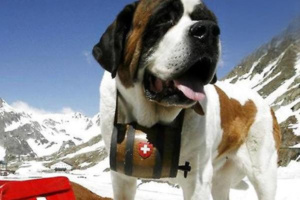
How to Teach Your Dog to Play Dead
Playing dead is a classic, crowd-pleasing trick that also taps into a dog's natural instinct to freeze when threatened. A responsible owner can bring that instinct back and turn it into a fun party piece. The training has four stages: pair a cue like a hand gesture or a mock "bang" with the down position, then teach the dog to hold still until released, build up to ignoring distractions, and finally "revive" the moment you call its name. Go slowly, use a calm reward when the dog stays down, and keep sessions short and upbeat so the dog learns the difference between the trick and a real rest.

What Is Pseudorabies in Dogs
Pseudorabies, also called Aujeszky's disease, is an acute infection of dogs, cats, and other livestock caused by the pseudorabies virus. Dogs usually catch it by eating infected pig or rat tissue, and the hallmark is intense, localized itching. It is almost always fatal in dogs, so prevention and not letting a sick dog bite people are what matter.
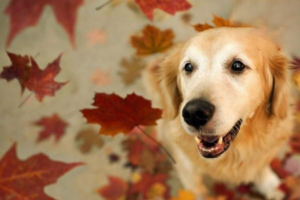
How Much Do Dogs Sleep?
Owners sometimes worry a dog sleeps too long, but sleep is as vital for dogs as for us - short sleep makes them listless by day. Need varies by age: newborns sleep about 22 hours, leaving only meal times awake; around one year they sleep about 14 hours as they grow and play; and senior dogs (six-seven years is middle-aged for a dog) do not sleep less - they need plenty to slow aging. Most of that time is light sleep, and a dog stirring at small noises is perfectly normal, not a problem.

Common Dog Diseases and Their Symptoms
A sick dog shows changes in behavior and body that veterinarians call symptoms. Owners who notice these early can get the right help faster. Fever is one of the clearest signals: a dog's normal temperature is 38.3-39C, and anything above 39C means the dog is running a temperature. Here are the common causes behind sudden high fever and lingering low fever.

How to Care for Your Dog in Autumn
Autumn's cool, dry, changeable weather feels great to us but asks for a few adjustments in dog care. Fatigue from summer, dropping temperatures, and dry air all affect a dog's body, coat, and digestion. A few simple habits around food, grooming, exercise, and disease prevention keep your dog comfortable through the season.

How to Stop a Dog From Eating Its Own Poop
Eating its own stool is a common dog behavior, usually harmless but sometimes a sign of a problem. Causes range from missing nutrients and youth or pregnancy, to lack of training, boredom, or illness such as pancreatitis. To correct it: feed a complete diet with added trace minerals and vitamins, clean up stools promptly, interrupt with a firm 'leave it' and reward stopping, and as a last resort make the stool unpalatable with a safe deterrent. If the habit persists despite these steps, consult a veterinarian to rule out a medical cause. Patience and consistency are what break the cycle.