Search Results
1544 results for “dog rest”
‘Northern Dog’ Special: How to Treat Frostbite on Your Dog’s Ears
Move a dog with frostbitten ears indoors at once and wrap the body in a blanket (protect core temperature) to stop further cooling. Then apply a towel soaked in 37–38°C water to the ear for 10–15 minutes, repeat after a 5-minute gap, until the ear warms. Don't use a hot water bottle or hairdryer — too much temperature contrast worsens tissue damage. After rewarming, pat dry with sterile gauze and apply a pet moisturizing repair balm (beeswax or shea best), and use an Elizabethan collar or breathable wrap to stop scratching.

How Long Can a Dog with Neuritis Survive?
A dog's survival time with neuritis depends on severity, how quickly treatment begins, and the quality of at-home care — there is no fixed number. Mild cases can recover in 1–2 weeks with prompt treatment, while severe cases affecting the brain stem can be fatal within about a week.

Why Is My Dog’s Belly Swollen?
A swollen belly in dogs has many causes—overeating, gas, gastric dilation and volvulus (GDV), fluid in the abdomen (ascites), or lumps such as lipomas and tumors. Mild cases like a full stomach or gas often settle with rest and probiotics, but some are emergencies. If the swelling comes with vomiting, pain, fast breathing, or a rapid heartbeat, it may be GDV and needs immediate veterinary care. Any persistent or unexplained bloating, especially with weight loss or a palpable mass, should be checked by a vet.

How to Tell if Your Dog Is Producing Enough Milk
Newborn puppies depend on their mother's milk for nutrition and early immunity, yet some dams simply don't produce enough. You can judge supply by the puppies' round, content bellies, the dam's full and slightly sagging breasts, her calm willingness to nurse, and whether milk can be expressed by hand. When supply runs short, warm compresses, gentle udder massage, and a protein-rich diet help stimulate lactation, though mastitis requires a vet.
Why is the Old English Sheepdog a banned breed?
Its large, hard-to-control size and boisterous nature lead some cities to restrict it; grooming is also demanding.
What to Do When Your Dog’s Hind Leg Cramps
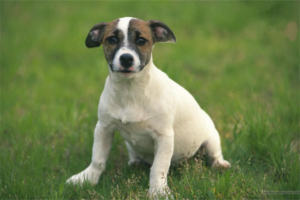
A dog's hind-leg cramp can come from poor nutrition, overexercise, low temperature, or too little activity and sore muscles. When it happens, gently massage or apply a warm compress to ease the muscle, then rest the dog in a quiet, warm place. Balance the diet, exercise moderately, and keep the environment at a comfortable temperature to lower the chance of cramps.
Do Dogs Get Menstrual Cramps?
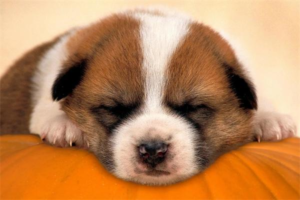
A female dog in heat may show abdominal pain, but clinical tools cannot yet confirm whether the pain comes from the uterus, so true menstrual cramps like in people remain unclear. The discomfort is usually mild and varies by dog. During heat she may also be restless, less active, have red discharge, and lick the area often, so give warmth and cleaning care.

Do Female Dogs Feel Unwell During Heat?
During heat a female dog may feel some discomfort, often shown as irritability, abdominal pain, and appetite that rises or falls, but it is usually tolerable with no obvious abnormality. If she shows clear distress, consult a vet. She may also roam to find a mate, so supervise her closely during this period.

What Is Dog Cryptorchidism and Why Treat It?
Cryptorchidism is when one or both testicles fail to descend into the scrotum, staying in the abdomen or groin. It is strongly hereditary, an autosomal recessive trait, so affected dogs must not be bred. Because the retained testicle sits at body temperature, its cancer risk rises sharply with age and threatens the dog's life. The standard treatment is surgical removal of BOTH testicles, which also neuters the dog; recovery needs rest and limited activity for 1-2 weeks.

Summer Dog-Walking Survival Guide (With Heatstroke First Aid)
Dogs have almost no sweat glands and cool mainly by panting, so above 28 C their cooling efficiency drops below a fifth of ours, and asphalt can hit 57 C while a dog's belly, only 20-30 cm off the ground, breathes air 5-8 C hotter. That makes summer walks risky. Walk before 7 a.m. or after 8 p.m. in shaded parks or grass, carry a folding bottle and offer water every 15 minutes, and cap time by breed, short-nosed dogs under 15 minutes in shade, sport breeds rest 5 minutes per 10 of exercise, small dogs under 10 minutes several times a day. Heatstroke can reach organ failure in 30 minutes; early signs are heavy panting, dark purple tongue, thick drool, then staggering and vomiting above 40 C, and seizures or coma with up to 80% death if untreated. First aid: move to shade, wipe groin/armpits/neck with room-temp water, give small sips if awake, keep head low, and rush to a vet.