Search Results
1544 results for “dog rest”
Which Dog Breeds Tolerate Cold Best?
Breeds with strong cold tolerance include Labrador Retriever, Tibetan Mastiff, Alaskan Malamute, Samoyed, and Husky. Their dense coats and thick fat layer shield them from cold and keep them comfortable in winter, but they are prone to heat and need cooling in summer. Owners should not overestimate this trait, since a cold-tolerant dog raised in warm regions may lose some of its resistance.

Why Do Dogs Get Anxious?
Many factors cause dog anxiety, including environmental change, separation from the owner, social anxiety, noise phobia, and over-protectiveness of food or owner. Dogs feel most anxious when tense or insecure, so reduce triggers and help them cope. Build trust through good communication, provide a stable and safe environment, and use proper socialization training.
What to Do When Your Dog’s Joint Is Swollen
A swollen joint in a dog can come from an injury, arthritis, or calcium deficiency, and the right response depends on the cause. Gently pressing the swollen area tells you whether it is painful; pain or refusal to be touched points to a joint problem. Injuries usually settle in a few days with topical treatment, while arthritis needs a veterinarian's diagnosis and long-term care with anti-inflammatory pain relief, weight control, and adjusted exercise. Severe arthritis may require surgery. Keeping the diet balanced helps prevent calcium-related swelling.
Early Warning Signs of Heart Disease in Dogs
Heart disease isn’t only an old-dog problem—clinics see four- and five-year-olds, even two-year-olds, with valve disease or myocardial hypertrophy, especially in small breeds like Toy Poodles and Pomeranians. Early on there are almost no symptoms; by the time coughing, fainting, or a purple tongue appears, the disease is usually advanced. Under the ACVIM staging system, Stage B1 is the “golden window” most owners miss: subtle structural changes with no heart failure yet, showing only quiet behavioral shifts like less activity or a changed sleeping posture. Catching it then—often without medication—can keep a dog stable for life. This article outlines the staging, the early behavioral signs, and the daily care that protects a vulnerable heart.

Why Is My Dog Dry Heaving?
Dogs dry-heave for many reasons, from a foreign object or irritation in the throat to parasites, indigestion, too much exercise, or illnesses like kennel cough and distemper. If a stuck object or irritation is the cause, removing it usually stops the heaving at once. When dry heaving comes with other signs such as fever, coughing, lethargy, or loss of appetite, see a veterinarian promptly to find and treat the underlying cause. Regular deworming and vaccination are the best long-term protection.
Can Swimming Help a Dog with a Luxating Patella?
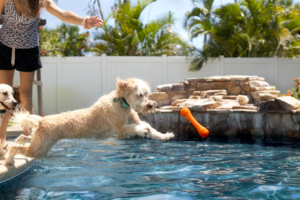
A luxating patella—the kneecap slipping out of its groove—is common in small and toy breeds and can cause pain and limping. Swimming is often recommended by veterinarians as part of conservative care because water’s buoyancy supports the body and builds hind-leg muscle without loading the joint. However, swimming is therapy, not a cure: the condition is structural (loose ligaments, a shallow groove, or poor alignment) and cannot be reversed by exercise, medication, or massage. Whether swimming helps depends on the grade—mild cases benefit, while severe grades can be made worse. This article explains the condition, how water therapy fits in, which grades should swim and how, and the daily supports (fish oil, chondroitin, avoiding jumps) that protect the joint.

Can a Paralyzed Dog Walk Again?
Paralysis in dogs has many causes, but in some cases a dog can regain the ability to stand with proper care. Follow your veterinarian's advice and give your dog patient, consistent nursing. Treatment and recovery time vary with the cause and severity, so persistence matters and giving up should not be an option. Support rehabilitation through gentle walks, limb massage, and other exercises your vet recommends to help your dog recover as fully as possible.

After the Swim: Preventing Ear Infections, Skin Trouble, and Tummy Upsets in Dogs
Swimming is a great low-impact workout that cools dogs off and supports their joints—but skipping the clean-up afterward can lead to three common problems: ear infections, skin irritation, and digestive upset. A dog’s L-shaped ear canal traps water that shaking alone won’t fully remove, creating a warm, moist space where yeast and bacteria thrive. Thick or double coats that aren’t fully dried breed the same trouble on the skin. And a cold abdomen plus post-swim air conditioning or ice water can upset a sensitive gut. The fix is simple: clean and dry the ears, blow-dry the coat layer by layer (especially armpits, belly, and paw folds), and let the dog rest before any AC, cold water, or rough play—offering a probiotic if its stomach is delicate.

Causes and Treatment of Gastric Torsion in Dogs
Gastric torsion, or bloat, is a dangerous emergency seen most in large breeds like German Shepherds and Great Danes, though any dog can be at risk, and it can be fatal without fast treatment. It often starts with overeating or eating too fast, which inflates the stomach; if the dog then exercises vigorously, the full stomach can twist. Swallowing excess air while eating and factors like age, genetics, odd gut anatomy, and changes in abdominal pressure also contribute. Watch for vomiting, a swollen belly, trouble eating, and a hunched back, and rush to a vet at once; keep the dog calm while you get help. Treatment is usually surgery to untwist the stomach and repair the wall, which is stable and rarely recurs, with medication, fluids, and shock care for milder cases. Prevention matters most: feed several small meals instead of one large one, use a slow feeder for fast eaters, and avoid hard exercise right after eating.

What Are the Symptoms of Hip Dysplasia in Dogs?
Hip dysplasia is a common inherited joint disease in dogs in which the hip socket and ball do not fit or wear normally, causing pain, limited movement, and falling comfort. Left unchecked it can worsen to disability. Typical signs include reluctance to run, climb stairs, or exercise; joint swelling after activity; pain shown by difficulty lying down or whimpering; muscle loss from moving less; a limp or bunny-hopping gait; and a grinding sound from the joint during motion. Mild cases are managed conservatively with weight control, limited strenuous exercise, joint supplements, and physical therapy such as massage, heat, or cold packs. Medications like anti-inflammatories, pain relievers, and cartilage repair drugs ease symptoms. Severe cases may need surgery, including hip replacement or femoral head removal, to restore comfort and function. Knowing the signs helps owners act early and care for their dog well.