Search Results
730 results for “dog red eyes”

Why You Should Not Tease Your Dog
Beyond spoiling a pet, owners often tease it for fun - but careless teasing has endless harms. Dogs are highly sensitive and react fast to tiny changes in environment, weather or moving objects. Teasing destroys normal behavior rules, and once outside, bad habits explode: sudden aggression, chasing other dogs, barking. Excitable and manic dogs are unpredictable risks. To prevent bites, learn your dog's type, always use a leash, stay calm around others, and never tease - teasing erodes patience and makes a dog impulsive.

What Breeds Are Used as Guide Dogs?
Selecting a guide dog is a strict process—not every dog qualifies. A good candidate must be calm, highly trainable, neither timid nor hyperactive, and gentle, able to focus without being easily distracted. The most common guide dog breeds are the Labrador Retriever, Golden Retriever, German Shepherd, and Poodle, all known for steady temperaments, loyalty, obedience, and high intelligence. After specialized training they become the eyes and faithful helpers of people who are blind. Guide dogs earn deep respect for the independence they give their handlers; because a guide dog gives its handler dignity and freedom, protecting that partnership is a shared responsibility we should all honor.

Why Is My Dog’s Nose Dry?
A dry dog nose can come from dry weather, lack of water after exercise, fever, or skin infection. If the nose is dry and flaking, first check whether the dog just exercised hard and consider the weather. If there are no other signs, add water, raise room humidity, and watch for two to three days. But if dryness comes with low spirits, poor appetite, or a rising temperature, see a veterinarian or clinic promptly. A dry nose is not always illness, but do not ignore it.

Hookworms in Dogs: Symptoms and Deworming
Hookworms are intestinal parasites named for their hook-like mouthparts, which anchor them to the gut wall. Only about an eighth of an inch long, they are hard to see, yet they drink large amounts of blood from tiny vessels and can inflame the gut, cause anemia, and threaten life, especially in puppies. Dogs catch them by mouth, through the skin, or from mother to pup via placenta and milk. Signs include pale gums, weakness, weight loss, and bloody diarrhea. Diagnosis is a fecal float, and treatment is regular deworming plus a repeat dose to kill newly matured worms.

How High Blood Pressure Affects Dogs
High blood pressure harms a dog's eyes, heart, kidneys, and nervous system. It can cause retinal damage and vision loss, heart enlargement and failure, kidney failure, and stroke or paralysis. Owners should watch for signs and see a veterinarian, who may measure blood pressure and suggest a low-salt, low-fat diet or medication. Risk rises with obesity, age, genetics, diabetes, thyroid or kidney disease, and stress. Prevention includes regular checkups, a healthy weight, calm surroundings, and daily exercise.
How to Tell If Your Dog Has an Eye Problem
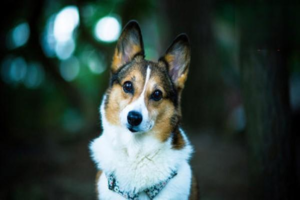
Eye trouble shows as constant cloudy tears, hardened gunk, rubbing or bumping the eye, swollen or red lids, bulging (glaucoma), white clouding (cataracts), or entropion/ectropion. Clean with pet eye drops and wipes daily; correct lids and cornea with vet care. Flat-faced and loose-skinned breeds need extra caution.

Why Do Cats’ Eyes Glow in the Dark?
The ancient Egyptians believed cats trapped the setting sun's light in their eyes until morning; the Greeks thought a flame flickered inside. The real reason is a layer called the tapetum lucidum behind the retina. It reflects light back through the retina, giving the light-sensitive cells a second chance to catch it, which is why cats see far better than us in dim light. The glow is usually green or yellow, and many other animals share this trick.

What Are the Symptoms of Kidney Disease in Dogs?
Kidney disease comes in two forms, acute and chronic, and kidney tissue cannot regenerate. Once damage is done it is permanent, and signs appear only after two-thirds to three-quarters of kidney function is lost. Early warning signs include changes in urination, increased thirst, lethargy, poor appetite, and digestive upset. Late-stage failure brings severe, unmistakable symptoms. Recognizing these signs early gives your dog the best chance at management and comfort.

The Secret in Your Dog’s Whiskers
We feel the world with our hands; dogs feel it through smell. But like us, they use more than one sense—and another is their whiskers. The thick hairs on a dog's muzzle, chin, and cheeks are vital: set deeper in the skin, they help the dog read the environment. Like human fingers, whiskers are highly sensitive; their follicles are packed with nerves and blood vessels, giving touch feedback straight to the brain faster than other routes. Studies show half the sensory region of a dog's brain connects directly to its whiskers. Whiskers also sense tiny air currents and vibrations—key to a dog's night vision. Some breeds use them like cats to judge if they fit through tight spaces, and in fights both dogs reflexively flick whiskers forward to threaten. Cutting whiskers does not impair spatial balance (despite the myth), but it does hurt—the follicles are full of nerves—so never cut them for looks.

Why Does My Dog Have Bad Tear Stains?
Tear stains form when tears (water plus salts and protein) evaporate and leave dark-brown marks—and they can signal health trouble, not just looks. Causes: poor eye cleaning (dust, smoke irritation), ingrown eyelashes from eyelid inward-rolling (needs vet care), unclean ears (mites or bacteria stimulate tear glands), and oily or salty food (switch to low-salt natural kibble and more water). Some breeds (Pekingese, Chihuahua, Pug) have genetic over-tearing from bulging eyes; severe cases may need a tear-duct opening surgery. Disease (blocked ducts, tear-gland inflammation) needs a vet. Daily: gentle cleaning, trim surrounding hair, light eye massage a few times a week, and a bland diet.